
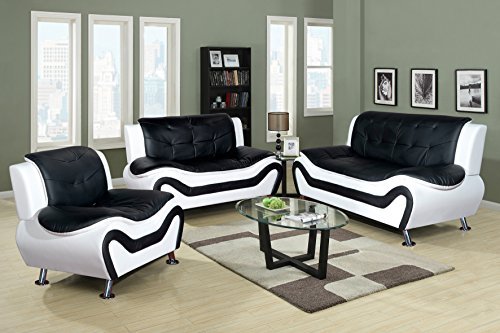
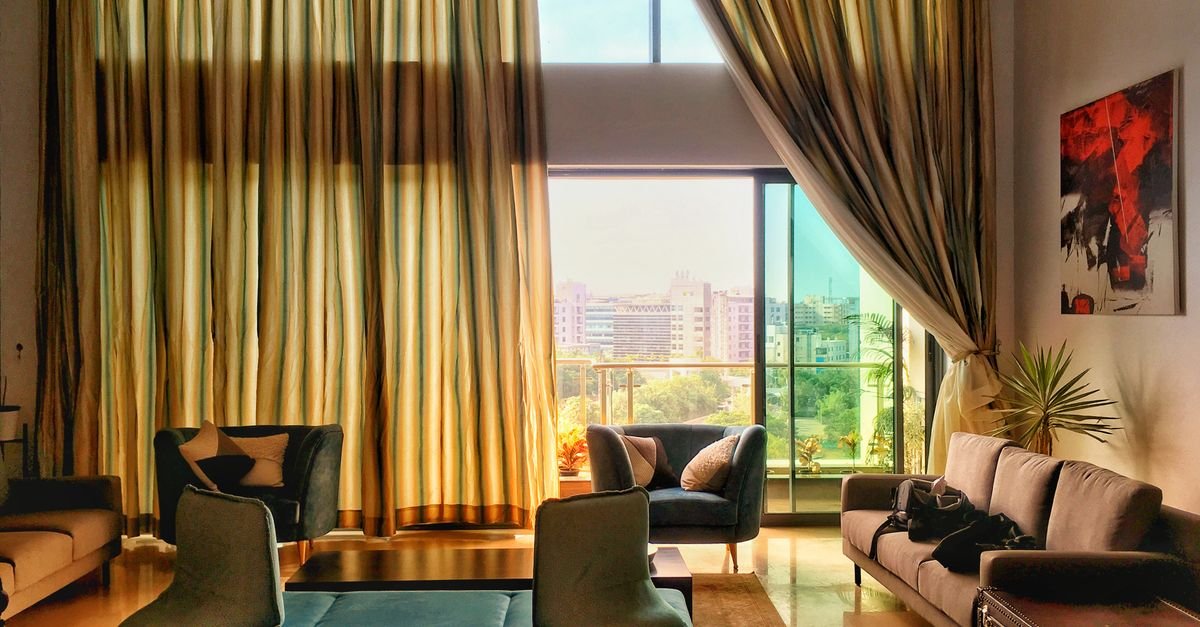
Contemporary living room furniture is all about clean lines, comfort, and a calm, uncluttered feel — a look that feels current without chasing trends that date quickly. Done well, it makes a room feel open, sophisticated, and genuinely livable. This guide explains what defines the contemporary style, the key pieces to invest in, how to choose them, and how to pull the whole room together so it looks designed rather than just furnished.
Also Read


What “Contemporary” Actually Means
Contemporary is often confused with modern, but they’re not the same. “Modern” refers to a specific mid-20th-century style, while “contemporary” means what’s current right now — it evolves over time. Today’s contemporary look favors clean, simple silhouettes, neutral palettes warmed with texture, a mix of materials (wood, metal, glass, fabric), and an emphasis on space and light. The feeling is calm and intentional: nothing fussy, nothing overcrowded, every piece earning its place.
The Key Pieces for a Contemporary Living Room
The Sofa: Your Anchor
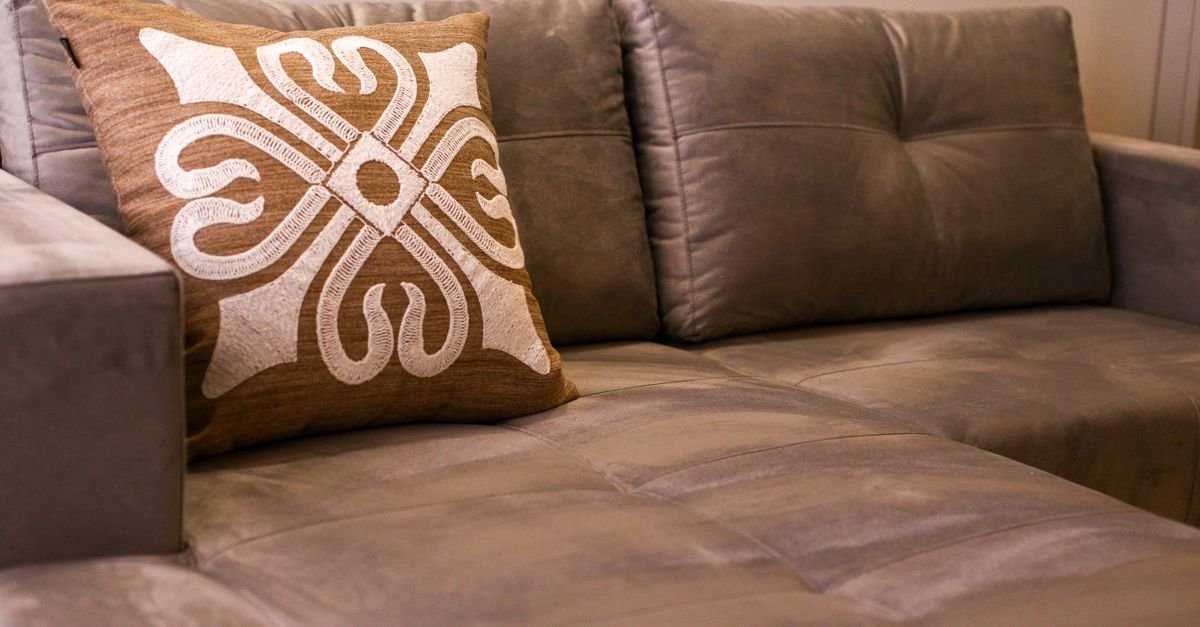
The sofa sets the tone for the entire room. Contemporary sofas lean toward low profiles, clean arms, and tailored upholstery in neutral tones — greys, beiges, soft whites, or deep charcoals. A sectional suits open-plan spaces and family life; a sleek two- or three-seater suits smaller rooms. Prioritize comfort and quality here above all; it’s the piece you’ll use most and the one guests notice first.
Coffee Table and Side Tables
Tables are where you bring in material contrast. A coffee table with a wood top and metal legs, a glass surface, or a stone finish adds interest against a fabric sofa. Keep proportions in mind — the coffee table should be roughly two-thirds the length of your sofa and a similar height to the seat cushions. Slim side tables keep essentials within reach without bulk.
Media Unit and Storage
Clutter is the enemy of contemporary style, so smart storage is essential. A low, streamlined media console with closed cabinets hides cables and clutter while grounding the TV wall. Floating shelves or a minimal bookcase display a few curated objects without crowding. The goal is surfaces that stay clear and storage that disappears into the design.
As an Amazon Associate, HomeNeeds24 earns from qualifying purchases.
Accent Chairs
One or two accent chairs add function and a chance to introduce shape or a subtle pop of color. A sculptural armchair or a pair of clean-lined chairs across from the sofa creates a conversation area and balances the room. This is a good spot to bring in a slightly bolder tone or a tactile material like bouclé or leather.
Choosing a Color Palette
Contemporary rooms start neutral and build warmth through texture and accents. Begin with a base of whites, greys, or warm beiges on the large pieces, then layer in depth with a darker tone (charcoal, navy, or forest green) and natural materials like wood and woven textures. Add personality through a few accent colors in cushions, throws, and art — easy to swap when you fancy a change. This approach keeps the big-ticket furniture timeless while letting the room evolve cheaply.
Layout and Proportion
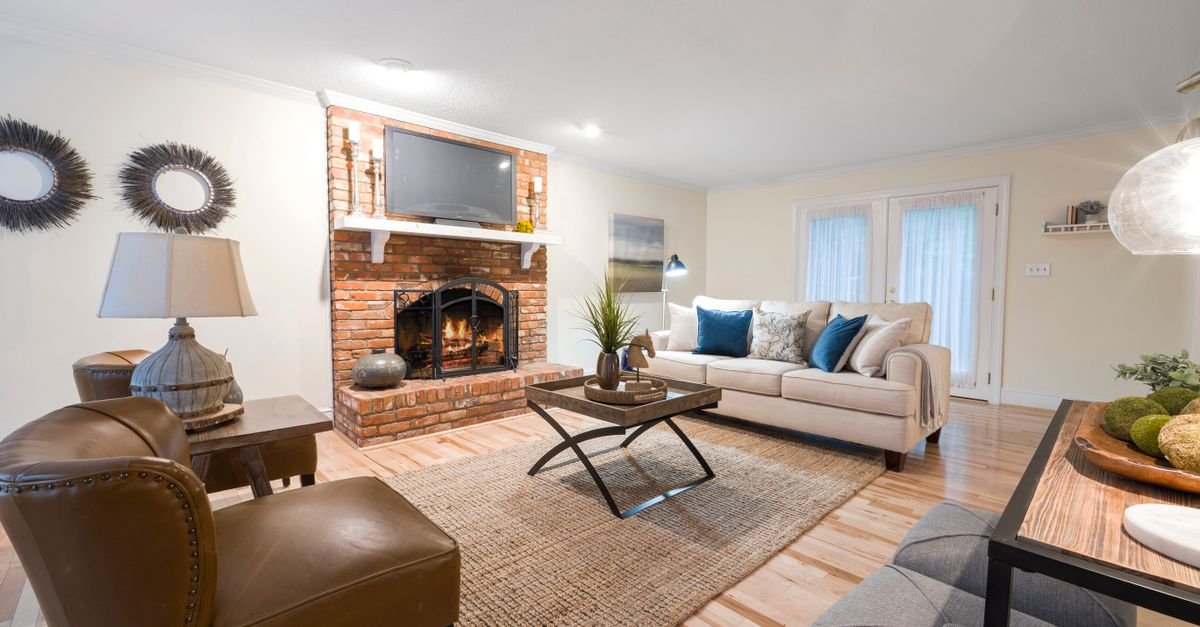
Great contemporary rooms breathe. Don’t push all the furniture against the walls — floating the sofa and chairs slightly inward creates a more intentional, sociable layout. Leave clear walkways, keep a sense of negative space, and resist overfilling the room. A large area rug that sits under at least the front legs of the main seating anchors the arrangement and defines the space. Balance is key: distribute visual weight so one corner doesn’t feel heavier than the rest.
Layering Texture and Light
Because the palette is restrained, texture does the heavy lifting. Combine a soft rug, woven throws, linen or velvet cushions, smooth wood, and cool metal or glass to keep a neutral room from feeling flat. Lighting matters just as much: layer a statement overhead fixture, a floor lamp, and a table lamp so you can shift the mood from bright and functional to warm and relaxed. Good lighting is what makes a contemporary room feel finished.
Common Mistakes to Avoid
Watch out for the usual traps: buying a sofa that’s the wrong scale for the room, choosing a rug that’s too small, overcrowding surfaces with knick-knacks, and relying on a single overhead light. Also avoid matching everything from one furniture set — contemporary style looks best with a curated mix of complementary pieces, not a showroom suite. Edit ruthlessly; the empty space is part of the design.
Frequently Asked Questions
What is the difference between modern and contemporary furniture?
Modern refers to a specific mid-20th-century design movement, while contemporary means what’s current now and changes over time. Today’s contemporary look features clean lines, neutral palettes, mixed materials, and an emphasis on space and light.
What colors work best in a contemporary living room?
Start with neutrals — whites, greys, and warm beiges — on the big pieces, then add depth with a darker tone and natural textures, and personality through accent colors in cushions, throws, and art.
How do I choose the right size sofa?
Measure your space and leave clear walkways. A sectional suits open-plan rooms, while a sleek two- or three-seater suits smaller spaces. Prioritize comfort and quality, since the sofa anchors the whole room.
How big should my living room rug be?
Large enough that at least the front legs of your main seating sit on it — ideally all the legs. A rug that’s too small is one of the most common decorating mistakes and makes the whole arrangement feel disconnected.
Key Takeaways
- Contemporary style means clean lines, neutral palettes, mixed materials, and uncluttered space.
- Invest first in a quality, well-scaled sofa — it anchors the room.
- Add material contrast with tables, smart storage to hide clutter, and one or two accent chairs.
- Keep big pieces neutral and timeless; bring personality through swappable accents and texture.
- Mind proportion and layout, layer your lighting, and edit ruthlessly — empty space is part of the look.
A contemporary living room is less about following trends and more about restraint, quality, and balance. Choose a few well-made pieces, keep the palette calm, and let texture and light do the rest. For more ideas, explore our home furnishing guides and the full Furniture & Decor collection.

I'm Nasir Uddin Khan, founder of HomeNeeds24 and a senior IT consultant with 18+ years' experience in Oracle database administration, enterprise infrastructure and ERP system design. I write the buying guides here and I build every calculator on the site myself, from published engineering standards rather than opinion. My research is structured rather than lab-based: manufacturer specifications, safety and efficiency standards, and the trade-offs that repeat across large volumes of verified customer reviews. Where I have direct hands-on experience — smart home, networking, energy and anything computer-adjacent — I say so in the guide.