
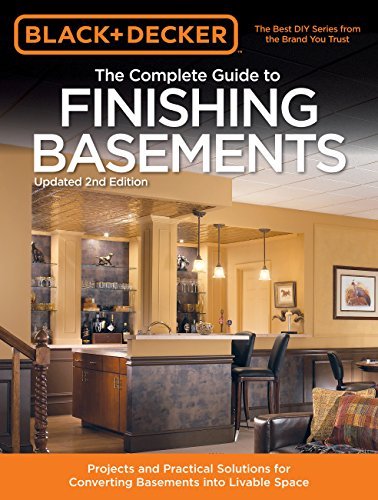
A finished basement is like discovering an extra floor in your home. That cold, dark storage zone under your house can become a family room, home theater, guest suite, gym, or office — adding genuinely useful living space and real value without changing your home’s footprint. But basements come with unique challenges, and getting them right takes planning. This guide covers the best basement finishing ideas and the practical essentials that make the space comfortable and dry for years.
Also Read



Why Finish a Basement?
Finishing a basement is one of the most cost-effective ways to add living space, because the structure — walls, floor, and ceiling — already exists. Instead of building an extension, you’re reclaiming square footage you already own. A finished basement can serve almost any purpose, adapts as your family’s needs change, and often adds value to your home. For many households it’s the single biggest space gain available without moving.
Best Basement Finishing Ideas
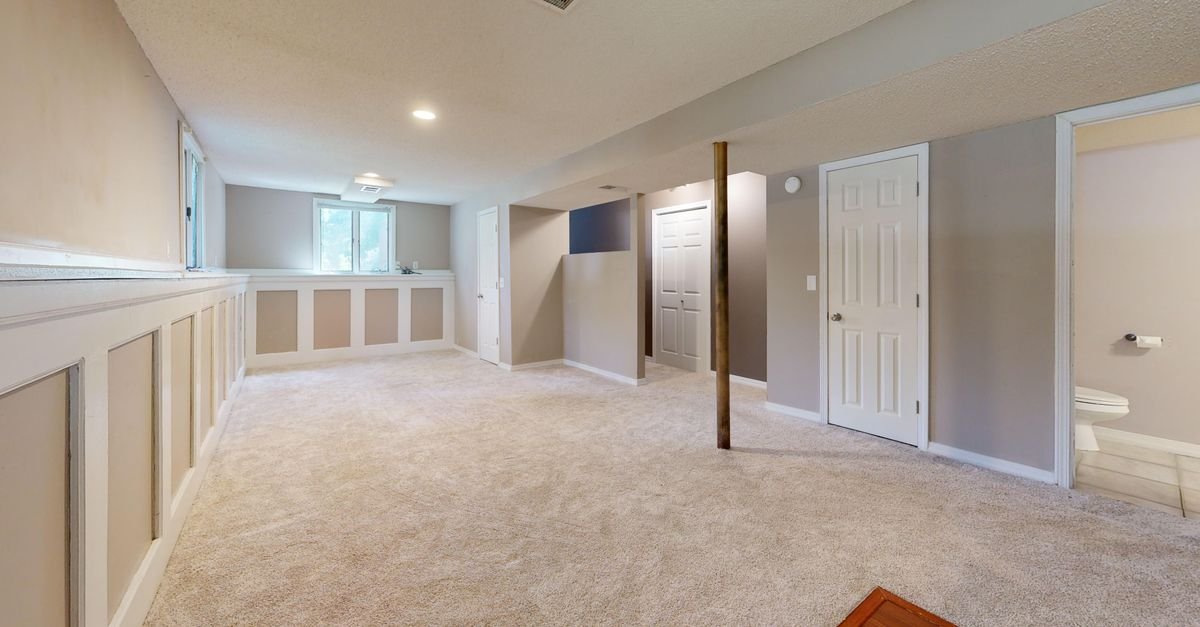
1. Family Room or Living Space
The most popular use: a relaxed second living area where the family can spread out. With comfortable seating, warm lighting, and good flooring, a basement family room becomes a casual hangout that takes pressure off the main living areas. It’s flexible, welcoming, and suits almost any household.
2. Home Theater or Media Room
Basements are ideal for home theaters because they’re naturally darker and more sound-isolated than upstairs rooms. With a large screen or projector, good speakers, cozy seating, and controlled lighting, you can create a genuine cinema experience. The lack of windows, usually a basement drawback, is actually a benefit here.
3. Guest Suite or Bedroom
A basement bedroom or self-contained guest suite (with a bathroom and small kitchenette) adds valuable, private space for visitors or family. This is one of the higher-value conversions, but it requires careful attention to egress (a safe exit/window for any bedroom), ventilation, and moisture control to be safe and comfortable.
4. Home Gym
The open floor of a basement suits a home gym, and you won’t disturb the rest of the house with noise or dropped weights. Prioritize durable flooring, good ventilation and dehumidification (basements get humid), mirrors, and strong lighting. It’s a practical, satisfying use that many people get great daily value from.
5. Home Office
A basement office offers quiet separation from the household. With proper lighting (basements lack natural light), insulation, power, and good internet, it makes a focused work environment. Brighten it with warm, layered lighting and light colors to counter the underground feel.
6. Playroom, Hobby, or Multi-Use Space
A basement playroom keeps toys and noise contained, while a hobby or craft room gives space for projects. Many people zone the basement for several uses at once — a lounge area plus a gym corner, or an office nook within a family room. Flexible, multi-use layouts make the most of the space.
The Essentials: Get These Right First
Moisture & Waterproofing
This is the single most important basement consideration. Basements are prone to damp and water intrusion, and finishing over a moisture problem leads to mold, ruined materials, and health issues. Before any finishing, address waterproofing, fix any leaks, ensure good drainage, and consider a dehumidifier. Never skip this — it’s what determines whether your finished basement lasts or rots.
Insulation & Temperature
Basements are cold and can feel clammy. Proper insulation of walls (and sometimes floor) plus adequate heating make the space comfortable year-round. Good insulation also helps control condensation. Without it, even a beautifully finished basement will feel like a cold cellar.
Lighting
With little or no natural light, lighting is crucial to keep a basement from feeling like a dungeon. Use layered lighting — recessed ceiling lights, lamps, and accent lighting — plus light wall colors and reflective surfaces to brighten the space. Generous, warm lighting transforms how a basement feels.
Ceiling Height & Egress
Check that your ceiling height meets requirements for habitable rooms, and that any bedroom has proper egress (a safe escape route, usually a compliant window or door). These are safety and code matters — verify the rules in your area before planning a basement bedroom.
As an Amazon Associate, HomeNeeds24 earns from qualifying purchases.
Choosing Basement Flooring
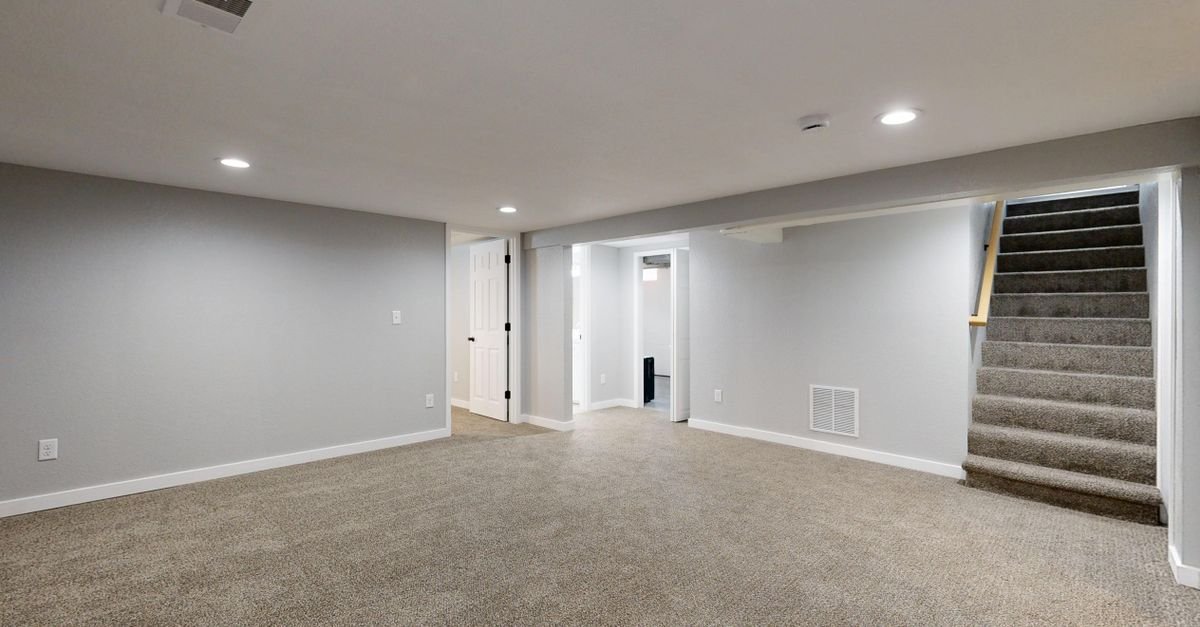
Flooring must handle a basement’s potential for moisture and cold concrete. Good options include luxury vinyl plank (water-resistant and warm underfoot), engineered flooring rated for basements, tile (durable but cold without insulation or rugs), and carpet tiles (cozy, and replaceable if one gets damaged). Avoid solid hardwood, which can warp with moisture. Adding a subfloor or insulation under the flooring makes the space warmer and more comfortable.
Planning & Budget
Define the basement’s main purpose first, then budget realistically — including waterproofing, insulation, electrics, flooring, lighting, and finishing, plus a contingency for the surprises basements often hide. Decide what you can DIY (painting, simple finishing) and what needs professionals (waterproofing, electrics, plumbing, egress windows). Sequence the work properly: moisture and structural issues first, then insulation and services, then finishing. A clear plan keeps a basement project from spiraling in cost.
Frequently Asked Questions
Is finishing a basement worth it?
For most homes, yes — it adds usable living space using existing structure, which is cheaper than an extension, and often adds value. The key is properly handling moisture and insulation so the space lasts.
What’s the most important part of finishing a basement?
Moisture control and waterproofing. Finishing over a damp problem leads to mold and ruined materials, so addressing water and humidity first is essential before any other work.
What can I turn my basement into?
Popular options include a family room, home theater, guest bedroom or suite, home gym, office, playroom, or a flexible multi-use space. Choose based on your home’s needs and the basement’s conditions.
What flooring is best for a basement?
Water-resistant options like luxury vinyl plank, basement-rated engineered flooring, tile, or carpet tiles. Avoid solid hardwood, which can warp with moisture, and add insulation underneath for warmth.
Key Takeaways
- Finishing a basement adds living space cost-effectively using existing structure.
- Popular uses: family room, home theater, guest suite, gym, office, or multi-use space.
- Get moisture control, insulation, lighting, and egress right before finishing — these make or break it.
- Choose water-resistant flooring and avoid solid hardwood.
- Plan around one main purpose, budget with a contingency, and use pros for waterproofing, electrics, and egress.
A finished basement can be the most valuable room you add to your home — if you respect its challenges. Handle moisture and insulation first, plan around a clear purpose, and you’ll gain comfortable, lasting living space. For more ideas, visit our home improvement guides and the full Home Improvement & Planning collection.

I'm Nasir Uddin Khan, founder of HomeNeeds24 and a senior IT consultant with 18+ years' experience in Oracle database administration, enterprise infrastructure and ERP system design. I write the buying guides here and I build every calculator on the site myself, from published engineering standards rather than opinion. My research is structured rather than lab-based: manufacturer specifications, safety and efficiency standards, and the trade-offs that repeat across large volumes of verified customer reviews. Where I have direct hands-on experience — smart home, networking, energy and anything computer-adjacent — I say so in the guide.