
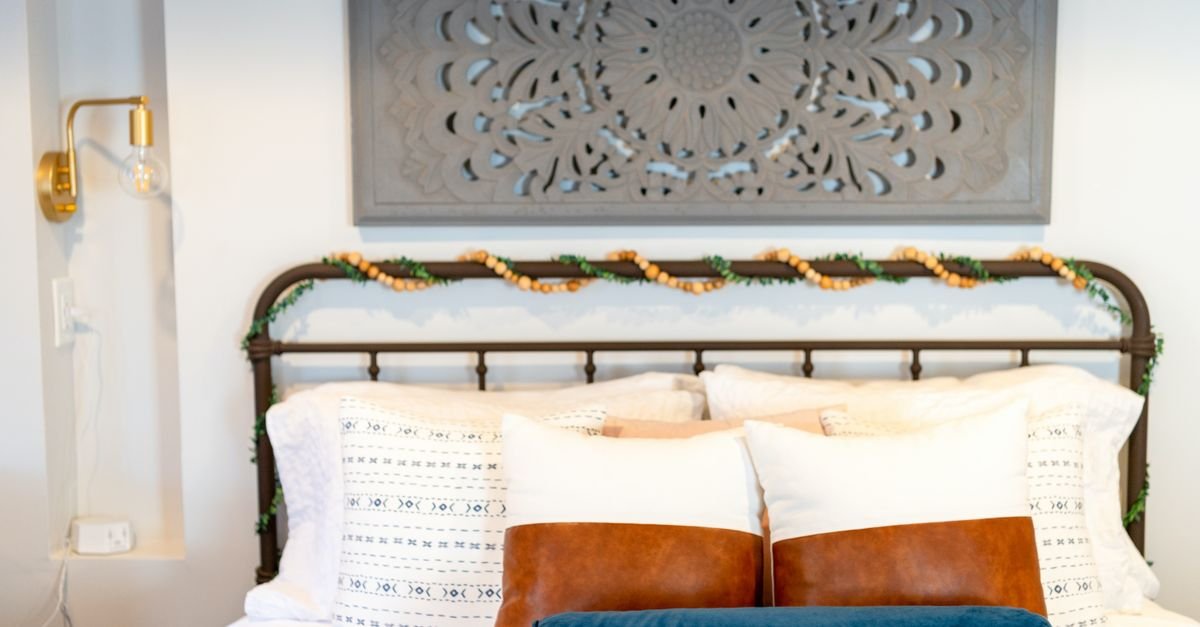
Hotel beds have a gravitational pull. You walk into the room, see that cloud of crisp layers, and something in your brain says: that’s what a bed is supposed to look like.
Also Read



Then you come home to a fitted sheet, one flat duvet, and two sad pillows. The good news? The hotel look isn’t about thread count wizardry — it’s a layering order anyone can copy.
Quick answer: To layer a bed like a designer, build from the bottom up: fitted sheet → flat sheet → duvet or comforter (folded back in thirds) → a quilt or coverlet at the foot → then pillows in three rows (sleeping, euro or shams, accent) → finish with a casually draped throw. Mix two or three textures and keep the palette to three colors or fewer.
Key Takeaways
- The designer order: fitted sheet → flat sheet → duvet → folded quilt/coverlet at the foot → pillows → throw.
- The “hotel fold”: turn the duvet back by a third to show off the sheets — instant luxury.
- Pillow math: sleep pillows at back, shams or euros in the middle, one or two accents in front. Done.
- Texture contrast (crisp cotton + nubby knit + smooth velvet) matters more than price.
- Stick to three colors max, with one doing 60% of the work.
- Layering is seasonal: same method, lighter or heavier ingredients.
Why Do Layered Beds Look So Much Better?
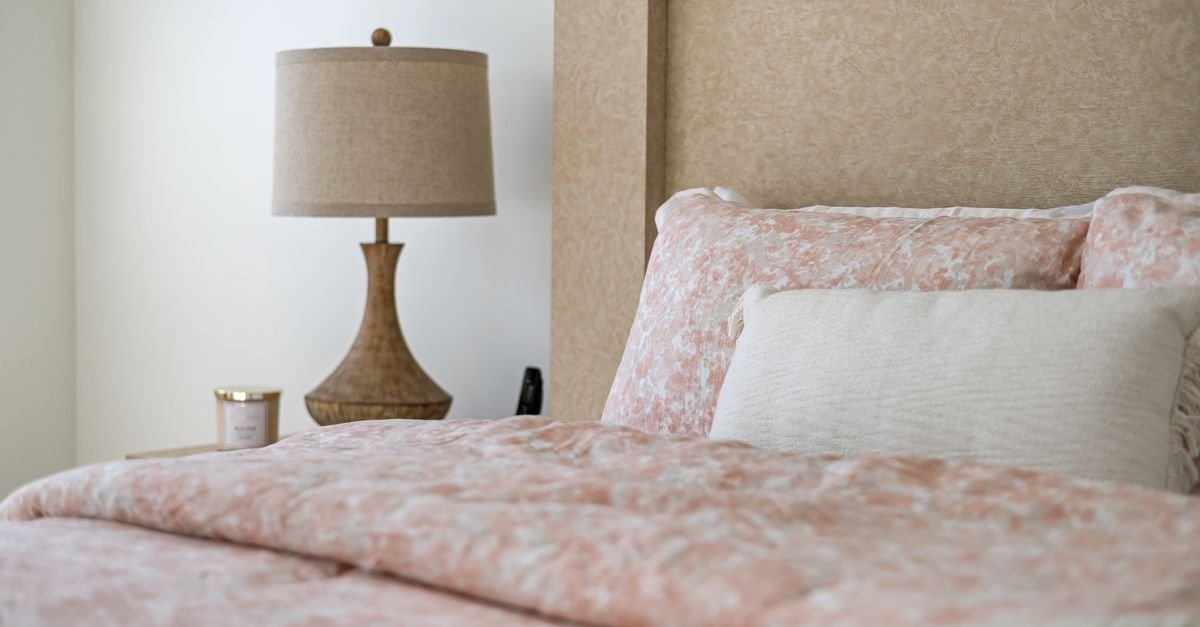
Depth. A single-layer bed is one flat plane of fabric; a layered bed has shadows, folds, and texture changes that read as richness.
There’s a practical payoff too: layers let you fine-tune warmth through the night and across seasons, instead of committing to one all-or-nothing comforter.
And since the bed occupies most of a bedroom’s visual weight, upgrading it upgrades the entire room — more than any wall art or furniture swap at the same cost.
What Goes on the Bed First? The Foundation Layers
Layer 0: The mattress protector (invisible but essential)
Not glamorous, but it protects your biggest bedroom investment. A good washable protector extends mattress life by years.
Layer 1: The fitted sheet
Pulled drum-tight. Wrinkles in the foundation telegraph through everything above. Deep-pocket versions stay put on thick mattresses.
Layer 2: The flat sheet
Here’s the trick most people miss: place it pattern-side down. When you fold the top edge back over the duvet later, the pretty side shows — exactly how hotels do it.
Tuck the bottom and sides with hospital corners if you like a tailored look, or leave the sides loose for a relaxed European feel.
How Do You Style the Duvet Like a Hotel?
The duvet (or comforter) is the star layer — and hotels handle it with one signature move.
The fold-back: instead of pulling the duvet all the way up, fold the top edge back by about a third of the bed’s length. This exposes your flat sheet and creates the horizontal band that makes hotel beds look so inviting — the same signature move stylists demonstrate in Crate & Barrel’s layering guide.
Fold the flat sheet’s edge back over the duvet fold — that crisp white stripe is the whole aesthetic.
Give the duvet a shake before styling so the fill distributes evenly. A limp duvet can’t look plush; if yours has flattened with age, that’s the upgrade that changes everything.
Duvet looking tired? These searches find the upgrade:
What Is the Quilt-at-the-Foot Layer About?
That folded blanket across the foot of hotel and magazine beds isn’t random — it’s the layer that separates “made” from “styled.”
Fold a quilt, coverlet, or matelassé blanket in half or thirds and lay it across the bottom third of the bed.
It adds a horizontal color band, an extra texture, and practical warmth for cold nights — pull it up without disturbing the rest of the bed.
Contrast is the key: if your duvet is smooth and white, make this layer textured or colored. Waffle weave, quilting, or a chunky knit all work.
How Many Pillows Does a Layered Bed Need?
Fewer than Pinterest suggests, more than you currently have. The designer standard is three rows:
Row 1 (back): your sleeping pillows
Stand them against the headboard in their everyday pillowcases, matching the sheets. Two for a full/queen, two generous ones for a king.
Row 2 (middle): the show row
Either euro pillows (26″ squares) in shams — two for a queen, three for a king — or standard pillows in decorative shams that match or complement the duvet.
This row does the visual heavy lifting: it’s the backdrop wall of your pillow arrangement.
Row 3 (front): the accents
One or two smaller decorative pillows — a lumbar, a 20″ square, something with pattern or texture. This is where personality lives.
Total for a queen: around 6–7 pillows. Enough for lushness, few enough that making the bed doesn’t require a staging crew.
How Do You Finish With a Throw Blanket?
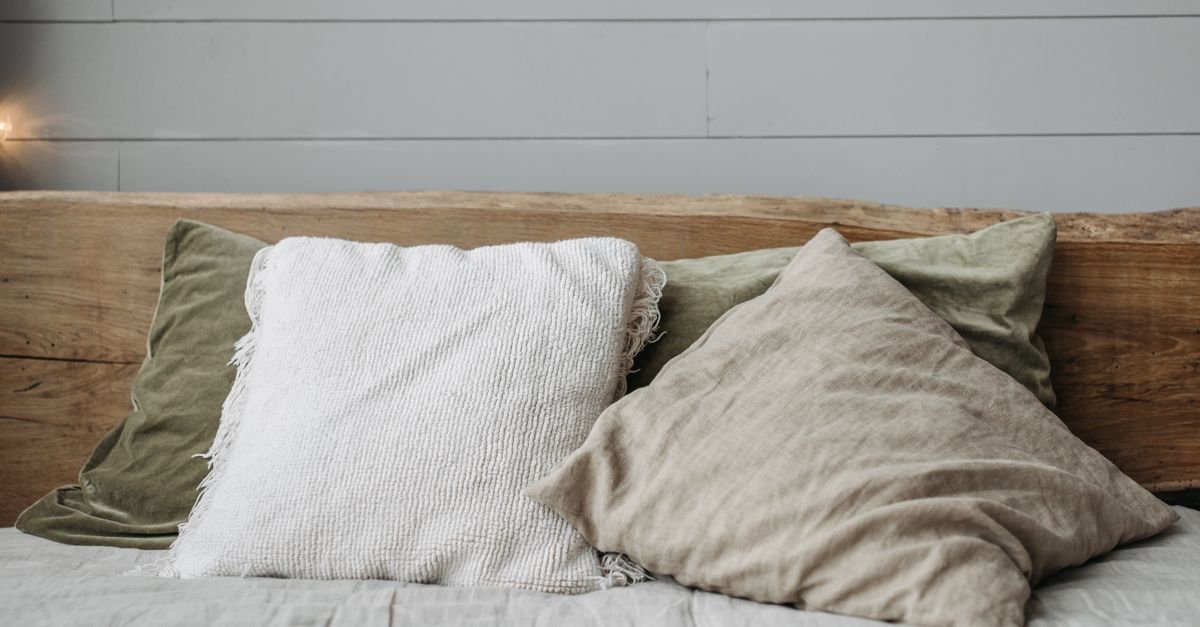
The throw is the “effortless” touch that actually takes the least effort.
Three placements that always work:
- The casual drape: across one bottom corner at a relaxed diagonal, as if tossed by someone stylish.
- The layered fold: folded in thirds on top of the foot quilt for a double texture band.
- The waterfall: draped off the end or side edge, cascading toward the floor.
Pick a throw that contrasts the layer beneath it — chunky knit on smooth quilt, faux fur on crisp cotton.
The one rule: don’t smooth it flat and square. A too-neat throw defeats its entire purpose.
How Do You Mix Colors and Textures Without It Looking Busy?
Use the decorator’s 60-30-10 split:
60% — your base color, usually the sheets and duvet. White and warm neutrals are the safest foundation and instantly read “hotel.”
30% — your secondary color on the quilt layer and shams. This usually comes from the room’s palette — sage, navy, terracotta, greige.
10% — the accent: one bold pillow or throw.
Textures follow a similar logic: aim for at least three different hand-feels — something crisp (percale), something soft (washed linen or sateen), something dimensional (waffle, cable knit, velvet, bouclé).
When colors stay quiet, textures can shout — and that combination is the entire “expensive neutral bedroom” aesthetic.
How Do You Layer for Each Season?
Same structure, different weights — this is where layering beats the single-comforter approach.
Summer: drop the duvet entirely; let the flat sheet plus a light cotton quilt or coverlet be the top. Linen everything if you run hot.
Spring/Fall: the full formula — midweight duvet, quilt at the foot, standard throw.
Winter: swap in the heavier duvet, add a second blanket under the duvet (hidden warmth, no visual change), and upgrade the throw to wool or faux fur.
Off-season layers store flat in a bin under the bed — the swap takes ten minutes twice a year.

What Bedding Fabrics Should Each Layer Use?
A quick materials cheat sheet:
Sheets: cotton percale for crisp-and-cool sleepers, sateen for silky warmth, linen for texture lovers and hot climates. This layer touches your skin all night — spend here first.
Duvet insert: down for lofty lightness, quality down-alternative for allergy-friendly budgets. “Fill power” measures fluff — higher lofts fuller at the same warmth.
Quilt/coverlet layer: cotton matelassé or washed cotton quilting — durable, washable, and texturally interesting.
Throws: anything goes; this layer is decorative first. Chunky knits and bouclé photograph best; wool blends work hardest.
Building a bedroom from scratch? Our full mattress and bedding comfort guide covers the foundation decisions underneath all this styling.
What Are the Most Common Bed-Layering Mistakes?
Skipping the flat sheet fold-back. The turned-back band is 80% of the hotel look. If you do nothing else from this article, do that.
A flat, tired duvet. No styling rescues a pancake. Shake, fluff, or replace the insert.
Pillow overload. Past about seven pillows, luxury tips into obstacle course — and they all end up on the floor anyway.
Everything matching from one bag. Bed-in-a-bag sets are flat by design: same fabric, same pattern, zero texture contrast. Use them as a base, then add one quilt and one throw in different textures.
Ignoring bed skirts and what’s underneath. Visible under-bed storage bins undo everything above. A simple bed skirt or platform base keeps the frame clean.
Colors fighting the room. The bed should echo the room’s palette. If your curtains and rug are earthy, a neon bed reads as a mistake — our bedroom curtain ideas guide helps align the whole picture.
The 5-Minute Daily Version
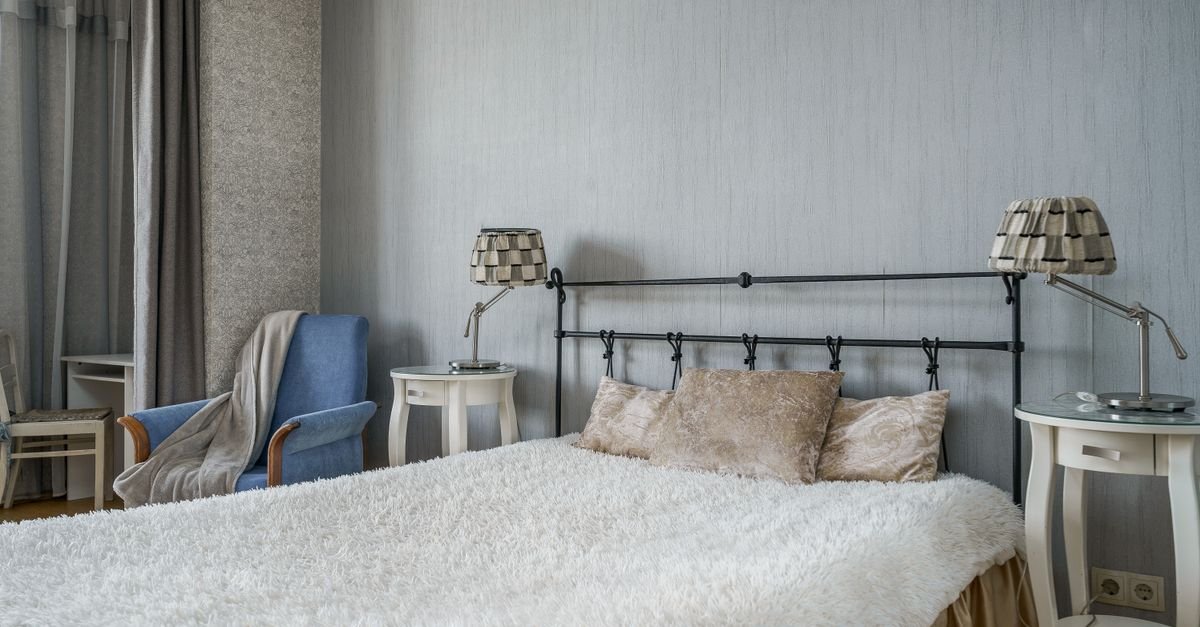
Designers style for the photo; you live here. The realistic morning routine:
- Pull the flat sheet and duvet up together, smooth once.
- Re-fold the duvet band back.
- Stand the sleep pillows, drop the shams in front, one accent pillow.
- Toss the throw diagonally. Walk away.
Five minutes. The full formula stays for weekends, guests, and the days you need your bedroom to feel like a hotel you can’t afford.
Layering on a Budget: Where to Spend and Where to Save
Spend on: sheets you love (they touch you all night) and one quality duvet insert (it’s the volume of the whole look).
Save on: shams and accent pillows (covers are cheap to swap), throws (texture matters more than fiber pedigree), and the quilt layer (thrift and clearance finds abound).
The free upgrade: ironing or steaming just the visible fold-back band of the flat sheet. Thirty seconds of steam, disproportionate polish.
The finishing layers, on any budget:
The Pillow Insert Secret Designers Swear By
Here’s the single trick that makes decorative pillows look boutique instead of flat: size the insert one step up from the cover.
A 20″ cover gets a 22″ insert; a 24″ cover gets a 26″ insert. The overstuffed fill pushes into the corners, giving you that plump “karate-chop-able” designer look instead of saggy, empty-cornered pillows.
Fill matters too: down and feather-blend inserts drape and chop beautifully; cheap polyester holds a stiff, lumpy shape. If your budget allows one upgrade, upgrade the inserts — covers can stay cheap and swap seasonally.
How Do You Keep Layered Bedding Looking Fresh?
A layered bed only looks luxurious when the layers look cared for. The low-effort maintenance routine:
Wash sheets weekly — they touch skin all night. Duvet covers every week or two; inserts only a few times a year (they’re protected by the cover).
Quilts and coverlets need washing just monthly-ish in most homes — more with pets on the bed.
Give the duvet a daily ten-second shake when you make the bed; fill migrates and clumps without it.
And every few months, rotate which end of the duvet faces up and flip the quilt — even wear keeps everything looking newer, longer.
Frequently Asked Questions
What is the correct order to layer a bed?
Bottom to top: mattress protector, fitted sheet, flat sheet (pattern-side down), duvet or comforter folded back by a third, a quilt or coverlet folded across the foot, pillows in three rows, and a throw draped casually on top.
How do hotels make beds look so good?
Three habits: crisp, well-pressed white linens; the duvet fold-back that shows a clean band of flat sheet; and generous, uniformly plump pillows. All three are copyable at home — the fold-back alone gets you most of the way.
How many pillows should a layered bed have?
For a queen: two sleeping pillows, two euro or sham pillows, and one or two accents — six or seven total. A king comfortably takes three euros in the middle row.
Do you need both a flat sheet and a duvet cover?
It’s preference. The flat sheet enables the classic hotel fold-back and adds a cool-night layer; many European households skip it and use just a duvet. For the layered designer look, keep the flat sheet.
What goes at the foot of the bed?
A folded quilt, coverlet, or blanket across the bottom third — contrasting in texture with the duvet. It adds the horizontal band that makes the bed look styled, plus practical extra warmth.
How do you keep a throw blanket from looking messy?
Fold it loosely in thirds lengthwise, then drape it at a diagonal across one corner or across the foot. Let it fall naturally — adjust one edge and stop. Perfectly squared throws look stiff; actually tossed throws look chaotic; one deliberate drape is the sweet spot.
Can you get the layered look with a bed-in-a-bag set?
Yes — use the set as your 60% base, then add two things it can’t include: a contrasting textured quilt at the foot and a chunky throw. Those two additions break the matchy flatness and create real depth.
The bottom line
A designer bed is a recipe, not a talent: layers in the right order, one fold-back, three pillow rows, one thrown throw. Master it once and every morning you get to check into your own hotel.

I'm Nasir Uddin Khan, founder of HomeNeeds24 and a senior IT consultant with 18+ years' experience in Oracle database administration, enterprise infrastructure and ERP system design. I write the buying guides here and I build every calculator on the site myself, from published engineering standards rather than opinion. My research is structured rather than lab-based: manufacturer specifications, safety and efficiency standards, and the trade-offs that repeat across large volumes of verified customer reviews. Where I have direct hands-on experience — smart home, networking, energy and anything computer-adjacent — I say so in the guide.