
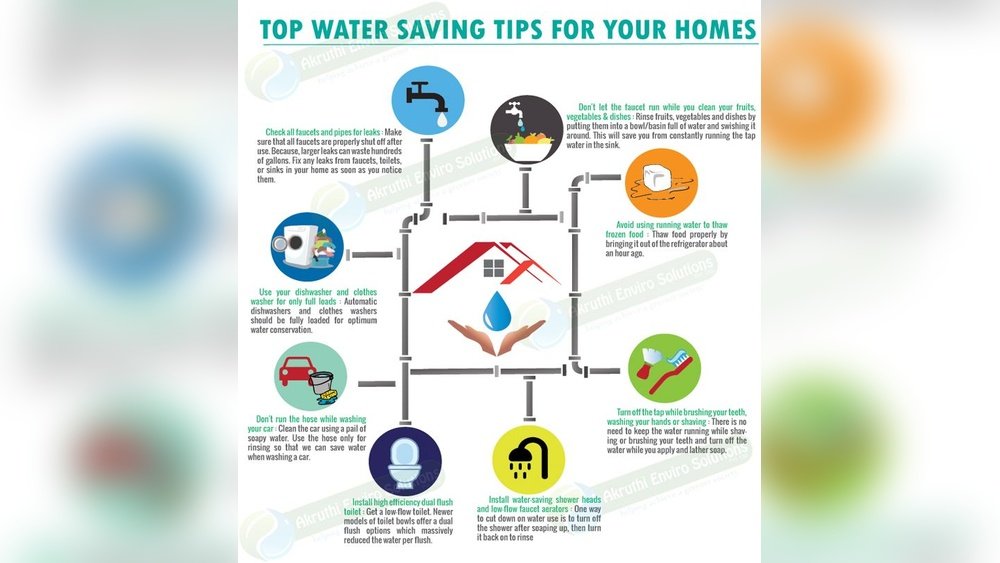
Are you looking for simple ways to cut down your water bills and help the planet at the same time? Water-saving home solutions can make a big difference in your daily life without requiring major changes.
Also Read


Imagine using less water without even noticing it—saving money and protecting a precious resource. You’ll discover easy and effective tips you can start using right now to make your home more water-efficient. Keep reading to find out how small changes can lead to big savings for you and your family.
Credit: www.wbcsd.org
Why Save Water At Home
Saving water at home is important for many reasons. It helps the planet, lowers bills, and stops wasting a precious resource. Small changes can make a big difference. Understanding why saving water matters can inspire better habits every day.
Environmental Benefits
Using less water protects natural habitats. It keeps rivers and lakes full and healthy. Saving water also reduces energy use. Less energy means fewer harmful gases in the air. This helps fight climate change and protects wildlife.
Financial Savings
Cutting water use lowers your monthly bills. Simple steps like fixing leaks save money fast. Using water-efficient appliances also reduces costs. Over time, these savings add up. Saving water is smart for your budget.
Reducing Water Waste
Water waste happens through leaks and overuse. Turning off taps while brushing saves gallons daily. Shorter showers also cut waste. Fixing broken pipes prevents constant dripping. These easy actions save a lot of water.
Fixing Leaks Quickly
Fixing leaks quickly saves water and lowers your bills. Small drips waste gallons over time. Acting fast stops damage and big repair costs.
Common Leak Sources
Leaks often hide in places you use every day. Faucets and showerheads drip after use. Pipes under sinks may show wet spots. Toilet tanks leak quietly inside. Water heaters and washing machines can drip too.
Tools For Leak Detection
Simple tools help find leaks fast. A flashlight reveals dark, damp corners. Tissue paper shows slow drips on pipes. Moisture meters measure wetness behind walls. Water meters track usage changes for hidden leaks.
Simple Repair Tips
Start by turning off the water supply. Tighten loose faucet parts with a wrench. Replace worn-out washers or seals. Use plumber’s tape on threaded pipe joints. Small cracks in pipes need epoxy or sealant. Call a professional for complex leaks.
Efficient Bathroom Practices
Water-saving starts in the bathroom. This room uses a large part of home water daily. Small changes here can cut water use a lot. These changes help save money and protect the environment. Simple bathroom habits and tools can make a big difference.
Low-flow Showerheads
Low-flow showerheads use less water than regular ones. They keep water pressure strong while cutting water use by half. Installing one is easy and affordable. It lowers water bills and saves energy. A small change with a big impact.
Dual-flush Toilets
Dual-flush toilets offer two flush options. Use a light flush for liquid waste and a full flush for solids. This system reduces water used per flush. It helps save thousands of gallons of water each year. A smart choice for every bathroom.
Shortening Shower Time
Short showers use less water. Cutting shower time by just a few minutes saves gallons daily. Try timing showers or playing a short song. Less time under water means less water wasted. A simple habit that adds up fast.
Kitchen Water Saving Tricks
The kitchen uses a lot of water every day. Small changes can save water and lower bills. Simple tricks help reduce water waste while cooking and cleaning.
Focus on smart habits and better tools. These keep water use low without extra effort. Save water and protect the environment with easy kitchen steps.
Using Dishwashers Wisely
Run the dishwasher only when full. A full load uses less water than many small loads. Choose energy and water-saving dishwasher settings. Skip pre-rinsing dishes by hand. Modern dishwashers clean well without it.
Water-efficient Faucets
Install faucets with low flow rates. They reduce water flow without losing pressure. Use aerators to mix air with water. This keeps water strong but uses less. Fix leaks quickly to avoid wasting water.
Smart Cooking Habits
Use just enough water for cooking. Cover pots to boil water faster. Reuse water from washing vegetables for plants. Avoid running water while washing dishes by hand. These habits save gallons of water daily.
Laundry Water Conservation
Laundry uses a lot of water in every home. Saving water during laundry helps reduce bills and protect the environment. Small changes in how you wash clothes can save hundreds of gallons each month. Focus on smart laundry habits to conserve water easily and effectively.
Full Loads Only
Always run your washing machine with full loads. Half-empty loads waste water and energy. Wait until you have enough clothes to fill the washer. This simple step cuts water use by almost half. It also saves electricity and detergent.
Cold Water Washing
Use cold water instead of hot for most laundry. Cold water cleans many clothes well and saves energy. Heating water uses extra power and increases water waste. Cold water washing helps clothes last longer too.
High-efficiency Machines
Consider using high-efficiency (HE) washing machines. HE washers use less water and energy than older models. They clean clothes well with less water per cycle. These machines reduce water bills and lower environmental impact.
Outdoor Water Use Tips
Saving water outdoors helps reduce waste and lower bills. Small changes in watering and irrigation make a big difference. These tips help keep plants healthy and use water wisely.
Drip Irrigation Systems
Drip irrigation sends water directly to plant roots. It uses less water than sprinklers. This system reduces evaporation and runoff. Easy to install and saves water daily.
Watering Plants Smartly
Water plants early in the morning or late at night. Avoid watering during hot midday hours. Use a watering can or hose with a nozzle. Target the base of plants, not leaves.
Rainwater Harvesting
Collect rainwater from rooftops using barrels or tanks. Store it for garden and lawn use. Rainwater is free and good for plants. Reduce dependence on tap water by harvesting rain.
Tracking And Monitoring Water Use
Tracking and monitoring water use helps you save water and reduce bills. Knowing how much water your home uses is the first step. It shows where water goes and how to cut waste. Simple tools and apps make this easy.
Reading Your Water Meter
Your water meter shows how much water you use. Find it near your home’s water supply. It has numbers that count gallons or cubic feet. Write down the numbers at the same time each day. Compare daily readings to see your water use. Spot high use fast and fix leaks or waste.
Water Usage Apps
Water apps track your water use automatically. They connect to smart meters or let you enter meter readings. Apps show graphs of daily, weekly, or monthly water use. Some apps give tips to save water. Use apps to watch water use from your phone.
Setting Water Goals
Set simple goals to lower your water use. For example, take shorter showers or fix leaks. Track progress with your meter or app. Small changes add up to big savings. Goals keep you focused and save water every day.
Credit: www.amazon.com
Credit: supremephc.com
Frequently Asked Questions
What Are The Best Water-saving Devices For Homes?
The best water-saving devices include low-flow showerheads, faucet aerators, and dual-flush toilets. These reduce water use without sacrificing performance. Installing these devices can cut household water consumption by up to 30%. They are affordable and easy to install, making them ideal for any home.
How Can I Reduce Water Usage In My Garden?
Use drip irrigation systems and water plants early morning or late evening. Mulching helps retain soil moisture. Choose drought-resistant plants to minimize watering needs. These methods reduce water waste and promote healthier plant growth in your garden.
Does Fixing Leaks Help Save Water Effectively?
Yes, fixing leaks can save significant water. A small drip wastes gallons daily, increasing bills. Regularly check faucets, pipes, and toilets for leaks. Prompt repairs prevent water loss and reduce utility costs, making your home more efficient.
Can Smart Water Meters Improve Home Water Conservation?
Smart water meters track real-time water usage and detect leaks instantly. They provide data to help adjust habits and reduce waste. Using smart meters leads to better water management and helps homeowners save money and resources effectively.
Conclusion
Saving water at home helps the environment and lowers bills. Small changes like fixing leaks and using water-efficient tools make a big difference. Collecting rainwater and watering plants wisely also saves gallons. Everyone can take simple steps to protect this vital resource.
Start today, and watch your water use shrink. Every drop counts toward a greener, better future.

I'm Nasir Uddin Khan, founder of HomeNeeds24 and a senior IT consultant with 18+ years' experience in Oracle database administration, enterprise infrastructure and ERP system design. I write the buying guides here and I build every calculator on the site myself, from published engineering standards rather than opinion. My research is structured rather than lab-based: manufacturer specifications, safety and efficiency standards, and the trade-offs that repeat across large volumes of verified customer reviews. Where I have direct hands-on experience — smart home, networking, energy and anything computer-adjacent — I say so in the guide.