
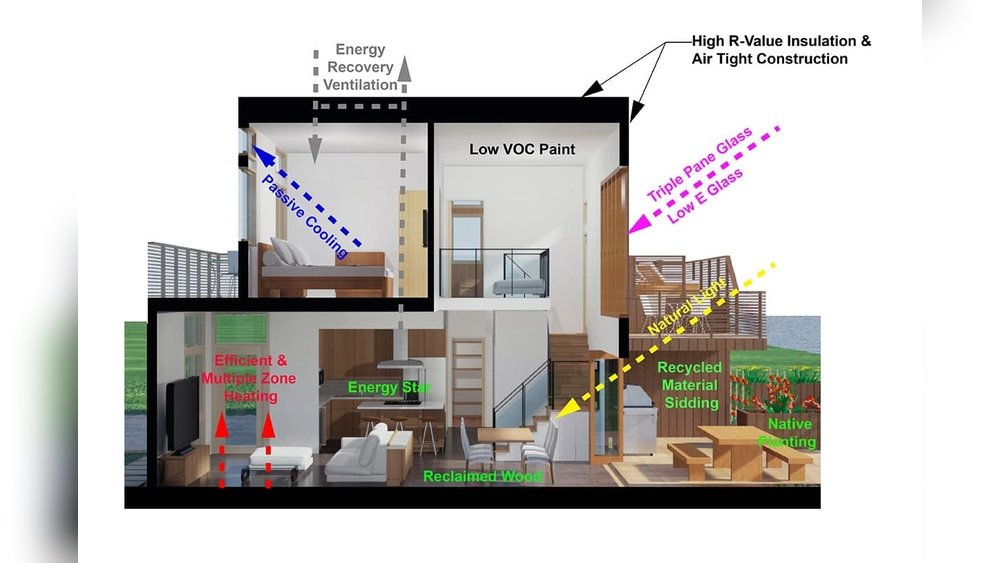
Imagine living in a home that not only feels comfortable but also helps protect the planet. Sustainable home design makes this possible by using smart choices that save energy, reduce waste, and create a healthier space for you and your family.
Also Read



You might be wondering how small changes in your home can make a big difference. This article will show you simple, practical ideas that anyone can apply to build or improve a home that works with nature, not against it.
Ready to discover how your home can be both beautiful and eco-friendly? Keep reading to unlock the secrets of sustainable living that benefit you today and for years to come.
Credit: www.micds.org
Green Building Materials
Choosing green building materials is a key step in sustainable home design. These materials reduce harm to the environment. They also improve indoor air quality and save energy. Green materials come from natural or recycled sources. They break down easily or can be reused. This helps protect natural resources and reduce waste.
Recycled And Renewable Resources
Recycled materials use waste from other products. They cut down the need for new raw materials. Examples include recycled steel, glass, and wood. Renewable resources come from plants or trees that regrow quickly. Bamboo and cork are popular renewable options. These materials lower the impact of building on forests.
Low-impact Insulation Options
Insulation keeps homes warm in winter and cool in summer. Low-impact insulation uses natural fibers or recycled content. Sheep’s wool, cellulose, and cotton are common choices. These options avoid chemicals found in traditional insulation. They help maintain clean air inside the home. Plus, they reduce energy needed for heating and cooling.
Non-toxic Finishes And Paints
Finishes and paints often contain harmful chemicals. Non-toxic versions use natural ingredients or low chemicals. They release fewer fumes and improve indoor air quality. Options include water-based paints and natural oils. These finishes protect surfaces without harming people or the planet.
Energy Efficiency Strategies
Energy efficiency is a key part of sustainable home design. It helps reduce energy use and saves money. Efficient homes also lower pollution and protect the planet. Using smart strategies makes homes comfortable and eco-friendly.
Solar Power Integration
Solar panels capture sunlight and turn it into electricity. This reduces the need for power from the grid. Solar power works well on sunny roofs and open spaces. It can power lights, appliances, and heating systems. Solar energy lowers electricity bills and cuts carbon footprints.
Smart Home Energy Management
Smart devices control energy use in real time. They turn off lights and appliances when not needed. Thermostats adjust heating and cooling automatically. Smart systems learn your habits to save energy. This technology keeps homes efficient without extra effort.
High-performance Windows And Doors
Windows and doors with good insulation stop heat loss. They keep homes warm in winter and cool in summer. Double or triple glazing reduces drafts and noise. Quality frames prevent air leaks around edges. These products improve comfort and lower heating and cooling costs.
Water Conservation Techniques
Water conservation is key in sustainable home design. Saving water lowers bills and protects the environment. Using smart water techniques helps homes use less water without losing comfort.
Simple changes make a big difference. These methods help reduce water waste and promote efficient use. Homeowners can choose from many options to save water every day.
Rainwater Harvesting Systems
Rainwater harvesting collects rain from roofs. It stores water in tanks for later use. This water can irrigate gardens or wash cars. Using rainwater lowers demand on city water supplies. It also reduces stormwater runoff that harms local rivers.
Low-flow Fixtures And Appliances
Low-flow fixtures use less water than regular ones. Faucets, showerheads, and toilets with this tech cut water use by half. Low-flow appliances like dishwashers and washing machines save water and energy. Installing these fixtures is an easy way to conserve water daily.
Greywater Recycling Methods
Greywater is lightly used water from sinks and showers. Recycling greywater lets homes reuse this water for toilets or gardens. Systems filter greywater to keep it safe for reuse. This technique lowers freshwater use and reduces wastewater. Greywater recycling supports a more sustainable water cycle at home.
Credit: fontanarchitecture.com
Indoor Air Quality Enhancements
Indoor air quality plays a big role in a healthy home. Clean air helps everyone breathe better and feel good. Designing homes with better air quality keeps the air fresh and safe. It also lowers allergies and other health problems.
Natural Ventilation Designs
Natural ventilation uses windows and vents to bring fresh air inside. It helps remove stale air and moisture. Cross-ventilation is a popular method that lets air flow through the home. It reduces the need for air conditioning and cuts energy use.
Air Purifying Plants
Plants can clean the air by absorbing toxins and producing oxygen. Some plants like spider plants, snake plants, and pothos work well indoors. They add beauty and improve air quality at the same time. Place plants in rooms where people spend most time.
Use Of Non-toxic Building Materials
Choosing non-toxic materials reduces harmful chemicals inside the home. Materials like low-VOC paints and natural wood are safer options. They lower indoor pollution and create a healthier living space. Avoiding synthetic materials helps keep the air clean.
Sustainable Landscaping Ideas
Sustainable landscaping creates outdoor spaces that save water and support nature. It helps reduce waste and keeps the soil healthy. These ideas also lower energy use and create a peaceful home environment.
Native And Drought-resistant Plants
Choose plants that naturally grow in your area. They need less water and care. Drought-resistant plants survive dry spells without extra watering. These plants support local wildlife like bees and birds. Using native plants helps keep your garden green and healthy all year.
Permeable Paving Solutions
Permeable paving lets rainwater soak into the ground. It prevents water from pooling on driveways or patios. Materials like gravel, porous concrete, and brick allow water flow. This reduces flooding and keeps soil moist. Permeable paving also lowers heat around your home.
Edible Gardens And Composting
Grow fruits, vegetables, and herbs in your yard. Fresh food is easy to pick and reduces grocery trips. Composting turns kitchen scraps and yard waste into rich soil. Compost nourishes plants and lowers trash sent to landfills. Together, edible gardens and composting make your yard more useful and eco-friendly.
Smart Home Automation
Smart home automation helps make homes more energy-efficient and comfortable. It uses technology to control devices and systems automatically. This saves energy and reduces utility bills. Smart systems also improve daily living by making tasks simpler and faster.
Energy Monitoring Systems
Energy monitoring systems track how much power your home uses. They show real-time data on appliances and devices. This helps identify which items waste the most energy. Homeowners can then adjust usage to save electricity and money. These systems often come with apps for easy control and insight.
Automated Lighting Controls
Automated lighting adjusts lights based on time or activity. Lights turn off when rooms are empty. They dim or brighten to match natural light levels. This reduces electricity use without losing comfort. Smart lighting also adds security by simulating occupancy when away.
Efficient Heating And Cooling Automation
Heating and cooling automation keeps indoor temperatures just right. Smart thermostats learn your schedule and preferences. They lower heating or cooling when no one is home. This cuts down energy waste and keeps bills low. Some systems also adjust based on weather forecasts.
Waste Reduction Practices
Waste reduction practices are vital in sustainable home design. They help lower environmental impact and save resources. Managing waste properly during construction and daily living supports a greener lifestyle.
These practices focus on cutting down trash, reusing materials, and designing smart spaces. This section explores key methods to reduce waste in your home.
Construction Waste Management
Construction creates a lot of waste. Sorting materials on-site helps recycle wood, metal, and concrete. Planning cuts waste by ordering exact amounts of materials. Using prefabricated parts reduces leftover scraps. Proper disposal of hazardous waste protects the environment.
Recycling And Upcycling At Home
Recycling turns old items into new products. Sort waste into bins for paper, plastic, and glass. Upcycling gives old furniture and decor a fresh look. Use jars for storage or turn pallets into shelves. These actions lower trash and save money.
Minimalist And Multi-functional Design
Minimalist design means fewer items and less clutter. Choose furniture that serves more than one purpose. A sofa bed or storage ottoman saves space and reduces waste. Simple designs last longer and need less replacement. This approach cuts down material use and waste.
Credit: www.novatr.com
Frequently Asked Questions
What Is Sustainable Home Design?
Sustainable home design focuses on eco-friendly materials and energy efficiency. It reduces environmental impact and lowers utility bills. The goal is to create healthier living spaces that conserve resources and promote long-term comfort.
How Do Sustainable Homes Save Energy?
Sustainable homes use insulation, energy-efficient windows, and renewable energy sources. These features minimize heat loss and reduce electricity consumption. Smart systems and natural ventilation also help lower energy use, cutting costs and emissions.
Which Materials Are Best For Sustainable Homes?
Eco-friendly materials like bamboo, recycled steel, and reclaimed wood are ideal. They are renewable, durable, and have a low environmental footprint. Using non-toxic paints and sustainable insulation improves indoor air quality and overall sustainability.
Can Sustainable Design Reduce Water Usage?
Yes, sustainable design incorporates water-saving fixtures, rainwater harvesting, and greywater recycling. These methods reduce potable water demand and promote conservation. Efficient landscaping with native plants also minimizes irrigation needs.
Conclusion
Sustainable home design helps save energy and money. It creates healthier living spaces for families. Using natural materials protects the environment. Small changes can make a big difference. Everyone can contribute to a greener future. Start with simple ideas and build from there.
Living sustainably feels good and makes sense. Choose smart designs that last long and work well. Sustainable homes show care for the planet and people.
Recommended on Amazon
Browse top-rated, popular options for this topic:
As an Amazon Associate, HomeNeeds24 earns from qualifying purchases.

I'm Nasir Uddin Khan, founder of HomeNeeds24 and a senior IT consultant with 18+ years' experience in Oracle database administration, enterprise infrastructure and ERP system design. I write the buying guides here and I build every calculator on the site myself, from published engineering standards rather than opinion. My research is structured rather than lab-based: manufacturer specifications, safety and efficiency standards, and the trade-offs that repeat across large volumes of verified customer reviews. Where I have direct hands-on experience — smart home, networking, energy and anything computer-adjacent — I say so in the guide.