
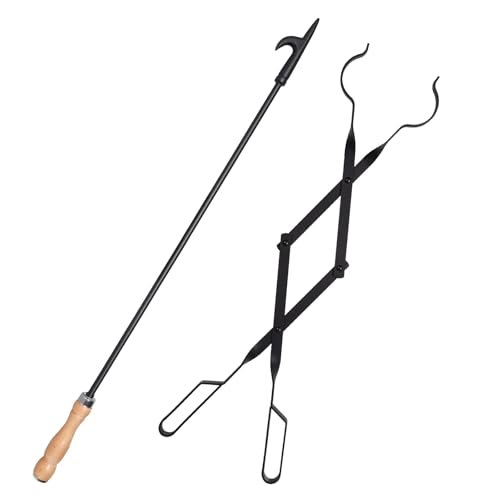
Few things make a backyard more inviting than a fire pit. It extends your evenings outdoors, creates a natural gathering spot, and turns an ordinary patio into a place people actually want to linger. From simple portable bowls to built-in stone features, there’s a fire pit for every space and budget. This guide covers the best fire pit ideas, the main types and fuels, and how to choose (and place) one safely.
Also Read



Why Add a Fire Pit?
A fire pit does more than provide warmth. It draws people together — there’s something timeless about gathering around a fire — and it stretches your outdoor season into cooler evenings. It becomes a focal point for your patio or garden, adds ambiance and light, and creates a cozy setting for everything from quiet nights to gatherings with friends. For relatively little cost, it dramatically increases how much you use and enjoy your outdoor space.
Fire Pit Types & Ideas
1. Portable Fire Pits
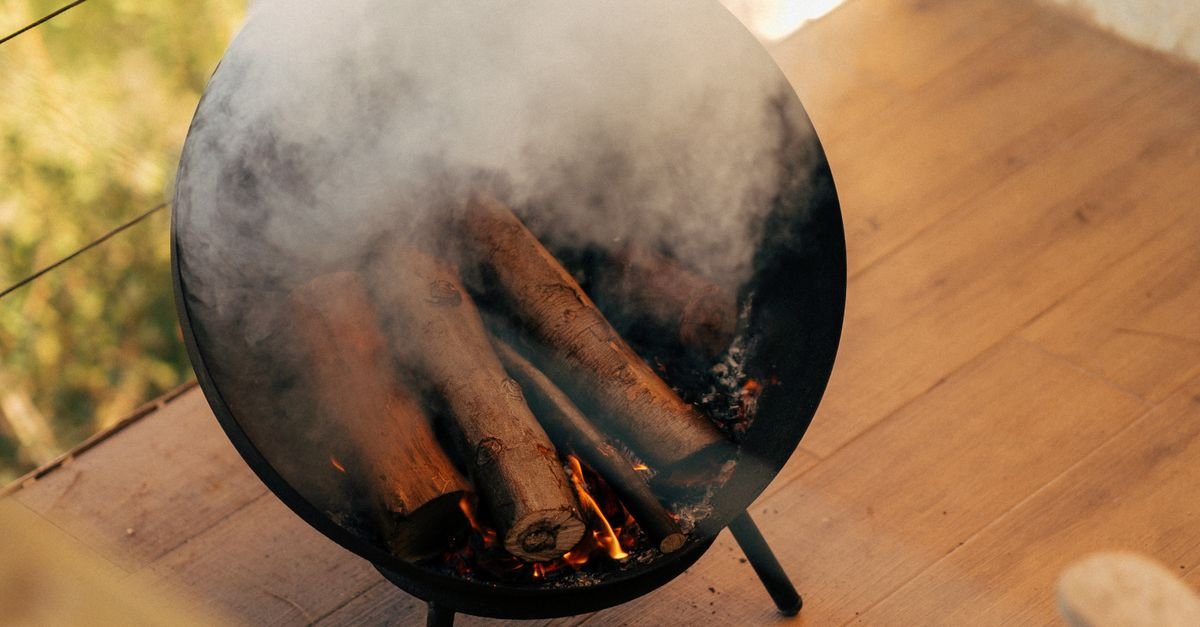
The easiest entry point: a freestanding metal bowl or table-style pit you can buy, set up, and move as needed. They’re affordable, require no construction, and can be stored away or repositioned. Ideal for renters, smaller patios, or anyone who wants a fire pit without committing to a permanent installation. Many double as a focal table when not lit.
2. Built-In Stone or Brick Fire Pits
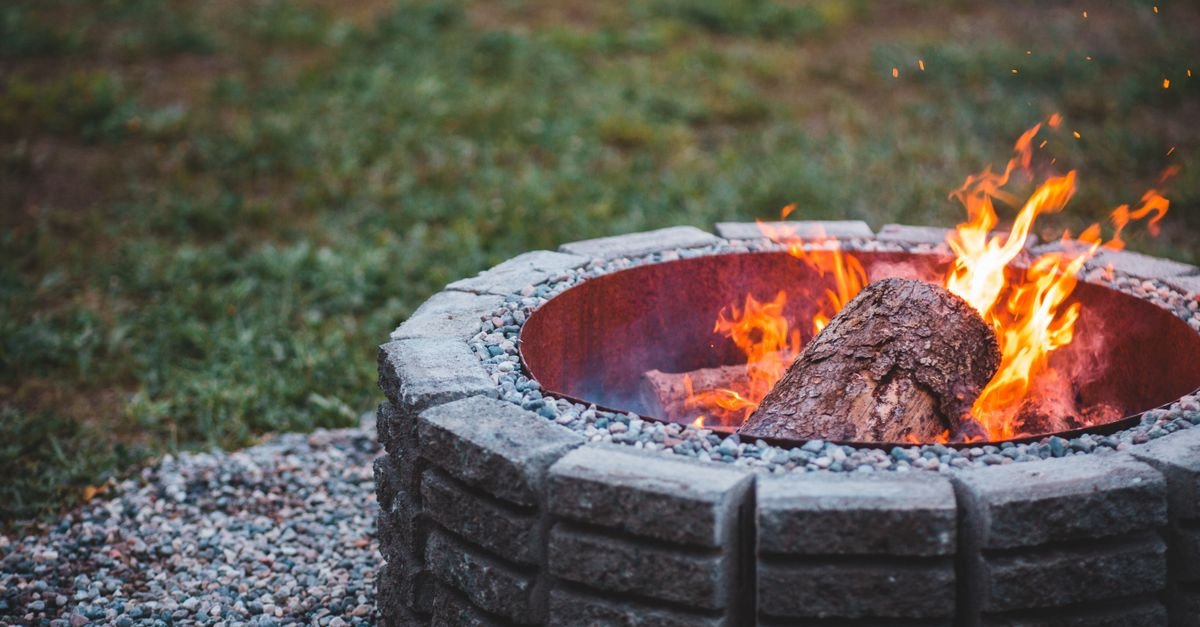
A permanent in-ground or raised fire pit built from stone, brick, or pavers becomes a striking, lasting feature of your landscape. You can match the materials to your patio and surround it with built-in seating for a true outdoor “room.” It’s a bigger investment and project, but it adds the most character and can increase your home’s appeal.
3. Fire Pit Tables
A fire pit table combines a flat tabletop surface with a central flame, usually gas-fueled. It’s stylish, practical (you can set down drinks), and often suited to more modern or refined patios. Because they’re typically gas, they light instantly and burn cleanly — a popular choice for dining and lounge areas.
4. Sunken Fire Pits
A sunken or recessed fire pit with surrounding seating creates an intimate, conversation-pit feel. It’s a more involved landscaping project but delivers a dramatic, cozy result — especially nice in larger gardens where you can dedicate a zone to it.
5. Chimineas & Fire Bowls
Chimineas (front-loading, chimney-style) and decorative fire bowls offer alternatives with their own charm. Chimineas direct smoke upward and suit smaller spaces, while fire bowls make a sculptural statement. Both are good options where a full pit isn’t practical.
Choosing a Fuel: Wood vs. Gas
Fuel type is one of the biggest decisions, and it shapes the experience.
Wood-Burning
Wood pits give the classic crackle, aroma, and dancing flames many people love — the authentic campfire feel. They burn hotter and cost little to run, but they produce smoke and ash, need wood storage, take a little effort to light, and require cleanup. Best for those who want the traditional experience and don’t mind the upkeep.
Gas (Propane or Natural Gas)
Gas fire pits light instantly at the turn of a knob, produce no smoke or ash, and offer adjustable, controllable flames. They’re cleaner and more convenient, ideal for quick, fuss-free evenings and for dining areas. The trade-offs are a higher upfront cost and the lack of that authentic wood crackle. Natural-gas versions need a gas line; propane versions use a refillable tank.
Fire Pit Safety & Placement
Safety is essential with any open flame. Follow these basics:
- Keep a safe distance from your house, fences, trees, and anything flammable — place the pit well clear of overhangs and structures.
- Use a stable, non-flammable base — stone, pavers, concrete, or gravel, not directly on a wooden deck or dry grass.
- Check local rules — some areas have restrictions or bans on open fires, especially wood-burning ones.
- Never leave a fire unattended, keep children and pets at a safe distance, and have water or a fire extinguisher nearby.
- Use a spark screen on wood-burning pits to contain embers, and fully extinguish the fire before leaving it.
Thoughtful placement also improves enjoyment — position the pit where there’s comfortable seating around it, some shelter from strong wind, and a clear view, so it becomes a true gathering spot.
As an Amazon Associate, HomeNeeds24 earns from qualifying purchases.
Styling the Space Around Your Fire Pit
A fire pit is even better as part of a complete outdoor setting. Surround it with comfortable seating — weather-resistant chairs, a built-in bench, or outdoor sofas — arranged close enough for conversation. Add soft touches like outdoor cushions and throws for cooler evenings, and layer in ambient lighting (string lights nearby) so the area glows even before the fire’s lit. A small side table or two for drinks and snacks completes a space people will gravitate to all season.
Which Fire Pit Is Right for You?
Choose based on your space, budget, and how you’ll use it. For flexibility and low cost, go portable. For a permanent showpiece, build a stone pit with seating. For clean, instant, modern convenience — especially near a dining area — choose a gas fire pit table. And for the authentic campfire experience, pick wood-burning and accept the bit of extra upkeep. Match the fire pit to your lifestyle and your outdoor space, and it’ll quickly become everyone’s favorite spot.
Frequently Asked Questions
What type of fire pit is best?
It depends on your needs: portable pits for flexibility and low cost, built-in stone pits for a permanent feature, gas tables for clean modern convenience, and wood-burning pits for the authentic campfire experience.
Is a wood or gas fire pit better?
Wood gives the classic crackle and aroma but produces smoke and ash and needs cleanup; gas lights instantly, burns cleanly, and is more convenient but costs more upfront and lacks the wood-fire feel. Choose based on the experience you want.
Where should I place a fire pit?
On a stable, non-flammable base (stone, pavers, gravel or concrete), well clear of the house, fences, trees, and overhangs, with comfortable seating around it and some shelter from wind. Always check local fire rules.
Are fire pits safe?
Yes, when used responsibly — keep a safe distance from flammables, use a spark screen on wood pits, never leave a fire unattended, keep water or an extinguisher handy, and fully extinguish it before leaving.
Key Takeaways
- A fire pit extends your outdoor season and creates a natural gathering spot for little cost.
- Types include portable pits, built-in stone pits, gas fire pit tables, sunken pits, and chimineas.
- Wood gives authentic ambiance with upkeep; gas offers clean, instant, controllable convenience.
- Safety is essential — safe distance, non-flammable base, spark screen, and never leave it unattended.
- Surround it with comfortable seating and lighting, and match the type to your space and lifestyle.
A fire pit turns a backyard into a destination. Pick the type and fuel that suit how you live, place it safely, and style the space around it — and you’ll be enjoying warm evenings outdoors for years. For more ideas, visit our home and outdoor guides and the full Outdoor Living collection.

I'm Nasir Uddin Khan, founder of HomeNeeds24 and a senior IT consultant with 18+ years' experience in Oracle database administration, enterprise infrastructure and ERP system design. I write the buying guides here and I build every calculator on the site myself, from published engineering standards rather than opinion. My research is structured rather than lab-based: manufacturer specifications, safety and efficiency standards, and the trade-offs that repeat across large volumes of verified customer reviews. Where I have direct hands-on experience — smart home, networking, energy and anything computer-adjacent — I say so in the guide.