
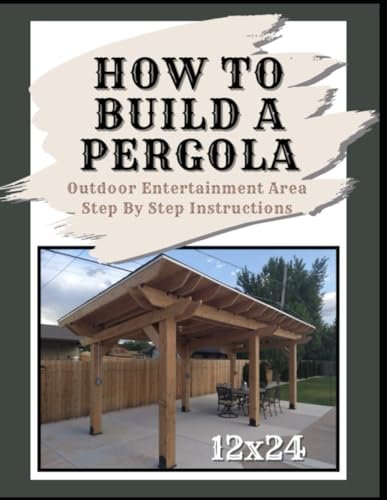
A pergola turns an ordinary patio or garden into an inviting outdoor room. It defines a space, provides partial shade, and adds height and architecture to your yard — instantly making the area feel intentional and finished. Whether you want a shaded dining spot, a cozy lounge, or a frame for climbing plants, there’s a pergola design to suit. This guide covers pergola designs, materials, and how to choose one that fits your space and how you’ll use it.
Also Read


What a Pergola Adds
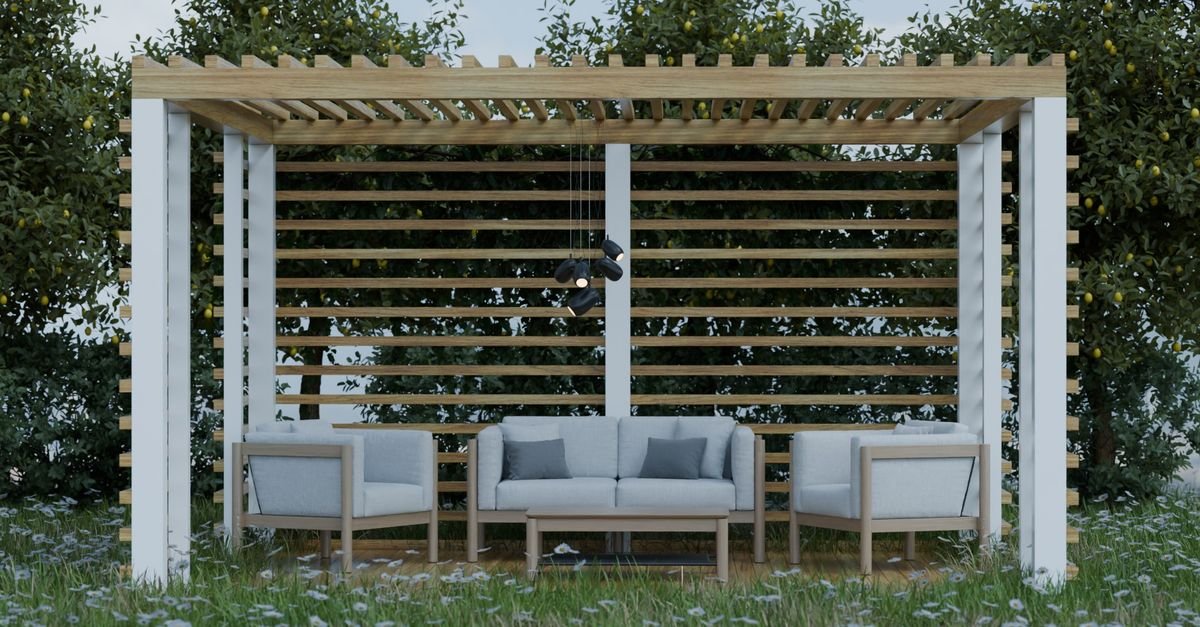
A pergola is an open structure of posts supporting an overhead grid of beams (rafters). Unlike a solid roof, it provides dappled, partial shade while keeping the open, airy feel of being outdoors. It creates a defined “outdoor room,” adds vertical interest to a flat yard, offers support for climbing plants and lighting, and extends how much you use your outdoor space. For relatively modest effort, it dramatically upgrades a patio or garden.
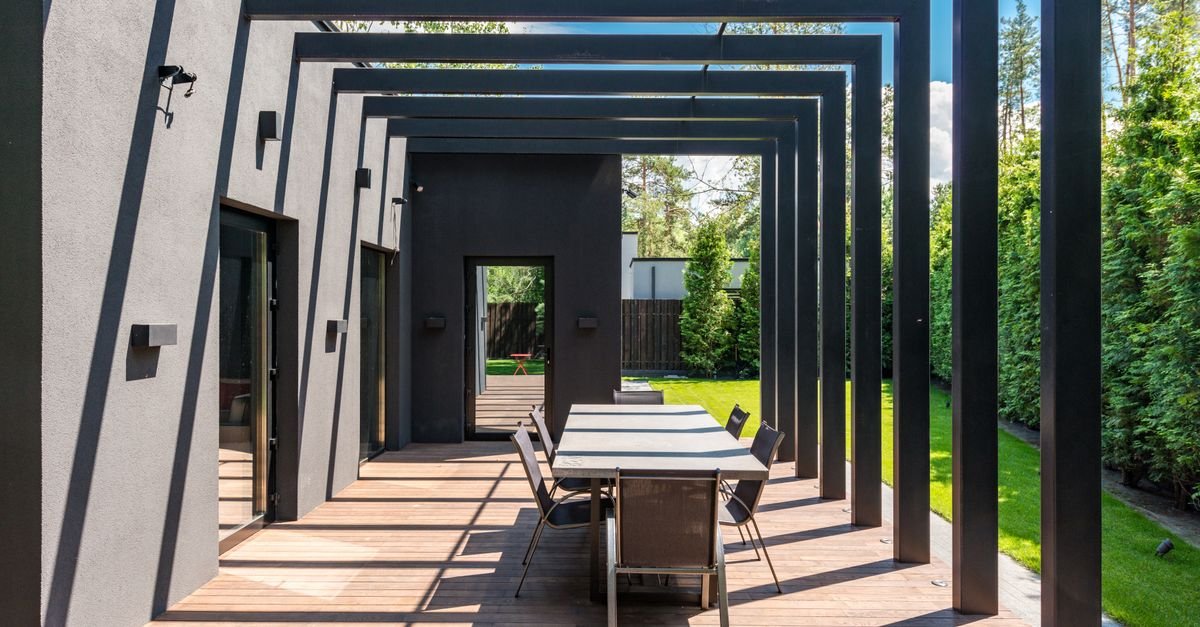
Popular Pergola Designs
1. Freestanding Pergola
A freestanding pergola stands on its own, anywhere in the garden — over a patio, by a pool, or as a destination at the end of a path. Its flexibility makes it popular: you can place it wherever you want a shaded gathering spot, independent of the house. Ideal for creating a distinct outdoor zone.
2. Attached Pergola
An attached pergola connects to the house on one side, extending your living space directly outward from a back door or patio. It creates a natural transition between indoors and out, and is perfect for a shaded dining or lounge area right off the kitchen or living room. It also tends to feel like a true extension of the home.
3. Louvered / Adjustable Pergola
Modern louvered pergolas have adjustable roof slats you can open for sun or close for shade and light rain protection. This adaptability makes the space usable in more weather, giving you control over light and shelter. They’re a premium option but hugely practical for getting the most use from your outdoor area.
4. Pergola with Canopy or Shade
Adding a retractable canopy, fabric shade, or climbing plants to a classic pergola increases shade and comfort. A canopy gives flexible sun protection; climbing plants like wisteria or grapevine create natural, beautiful shade over time. This is a great way to make an open pergola more comfortable on hot, bright days.
5. Pergola Over a Patio or Deck
Building a pergola over an existing patio or deck instantly elevates it into a defined outdoor room. It frames your seating or dining area, adds shade, and provides structure for lights and plants — transforming a plain slab into a destination. One of the most rewarding ways to upgrade an outdoor space you already have.
Choosing a Pergola Material
Material affects looks, maintenance, durability, and cost.
- Wood — classic and natural, with timeless warmth. Cedar and other rot-resistant woods are popular. It needs periodic sealing or staining to weather well.
- Aluminum / metal — modern, lightweight, strong, and low-maintenance. Won’t rot or warp, and suits contemporary designs (most louvered pergolas are metal).
- Vinyl / composite — very low maintenance, won’t rot or need painting, with a clean look, though less natural than wood.
Match the material to your maintenance appetite and style: wood for natural charm with upkeep, metal or composite for durability and minimal care.
As an Amazon Associate, HomeNeeds24 earns from qualifying purchases.
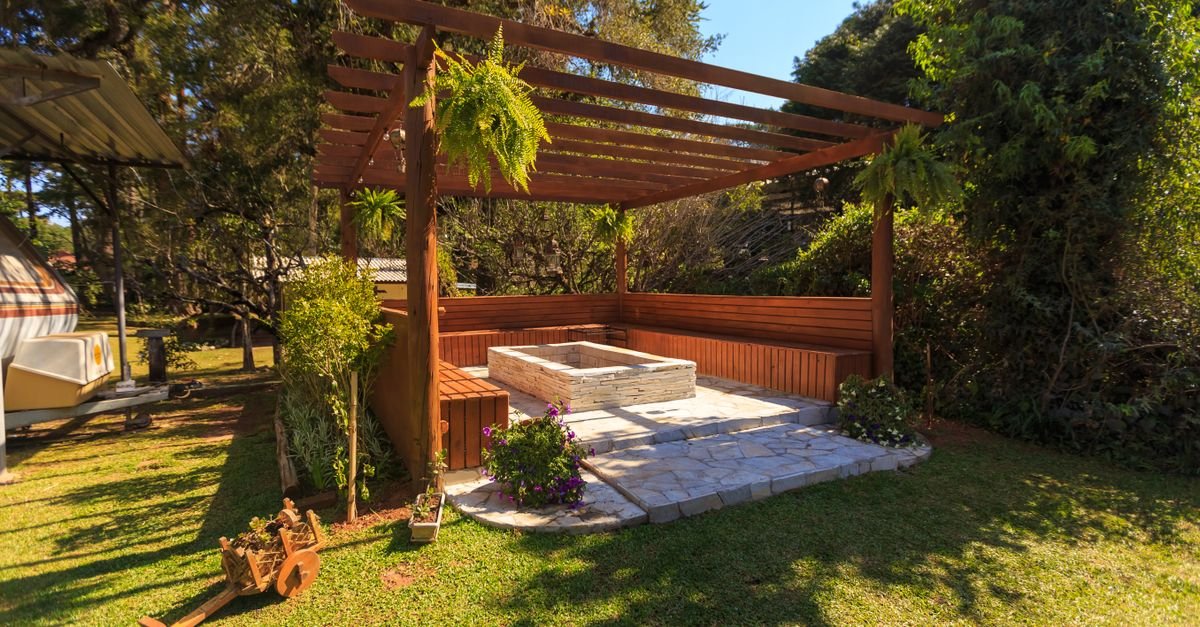
Styling and Using Your Pergola
A pergola is the frame; how you furnish it makes it a destination. Add comfortable outdoor seating or a dining set beneath it, string lights or hanging lanterns across the beams for evening ambiance, and outdoor curtains for privacy and softness. Climbing plants or hanging baskets bring greenery and natural shade. An outdoor rug defines the floor, and a few weather-resistant cushions add comfort. With these touches, a pergola becomes the favorite spot in the garden.
Planning & Practical Considerations
Before building, consider a few practicalities. Size the pergola to your space and intended use — large enough for the furniture you’ll put under it, with room to move. Think about sun direction so the shade falls where you’ll sit. Check whether your area requires any permits for a permanent structure, and ensure proper, stable footing for the posts (anchored to the ground, patio, or deck). Decide between a DIY pergola kit (more affordable, satisfying for handy owners) and a custom or professionally built one (more design freedom). Good planning ensures it’s safe, well-placed, and the right size.
Frequently Asked Questions
What is the difference between a freestanding and attached pergola?
A freestanding pergola stands alone anywhere in the garden for flexible placement; an attached pergola connects to the house, extending your living space outward and creating an indoor-outdoor transition.
Does a pergola provide shade?
It provides partial, dappled shade through its open beams. For more shade, add a retractable canopy, fabric shade, or climbing plants — or choose a louvered pergola with adjustable slats.
What’s the best material for a pergola?
Wood offers classic natural charm but needs upkeep; aluminum/metal is modern, strong, and low-maintenance; vinyl/composite is very low-maintenance. Choose based on your style and how much maintenance you want.
Do I need a permit for a pergola?
It depends on your location and the pergola’s size and permanence. Always check local rules before building a permanent structure, and ensure the posts are properly anchored.
Key Takeaways
- A pergola creates a defined outdoor room with partial shade, height, and architecture.
- Designs: freestanding, attached, louvered/adjustable, with canopy/plants, or over a patio/deck.
- Wood is classic with upkeep; metal and composite are durable and low-maintenance.
- Furnish it with seating, string lights, plants, and an outdoor rug to make it a destination.
- Size it to your space and use, plan for sun direction, check permits, and anchor posts properly.
A pergola is one of the most rewarding outdoor upgrades — it turns open space into an inviting, shaded retreat. Choose the design and material that fit your yard and lifestyle, style it well, and you’ll spend far more time enjoying your outdoor space. For more ideas, visit our home and outdoor guides and the full Outdoor Living collection.

I'm Nasir Uddin Khan, founder of HomeNeeds24 and a senior IT consultant with 18+ years' experience in Oracle database administration, enterprise infrastructure and ERP system design. I write the buying guides here and I build every calculator on the site myself, from published engineering standards rather than opinion. My research is structured rather than lab-based: manufacturer specifications, safety and efficiency standards, and the trade-offs that repeat across large volumes of verified customer reviews. Where I have direct hands-on experience — smart home, networking, energy and anything computer-adjacent — I say so in the guide.