
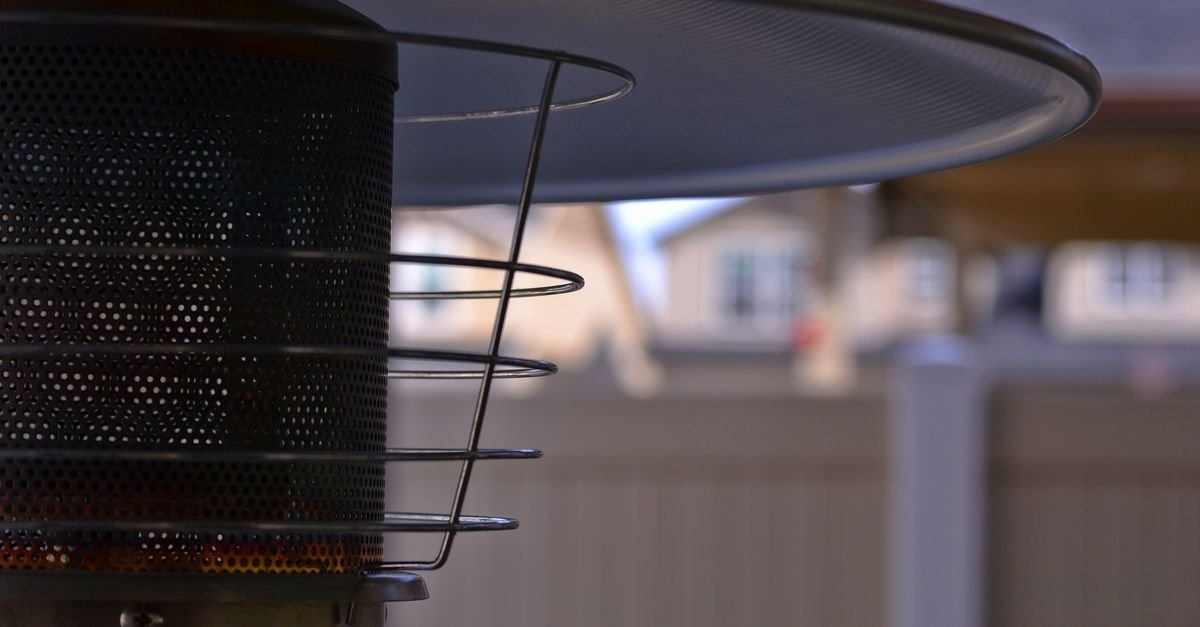
Choosing a patio heater is a fuel decision first — propane for open patios and flexibility, electric infrared for covered spaces and zero maintenance, natural gas for permanent setups with a line, and fire features when the point is gathering rather than heating — and a coverage decision second: one mushroom heater warms a conversation circle, not a patio. Match fuel to space and heat to seating, and autumn evenings outside stretch weeks past the neighbors’.
Also Read



This is the complete buying guide: the four fuel types honestly compared, the coverage math nobody explains, safety clearances that outrank every feature, and the placement strategy that doubles any heater’s effect.
Key Takeaways
- Propane mushroom heaters: the flexible default — real warmth, no wiring, roughly 10 hours per tank; budget fuel into the math.
- Electric infrared: the covered-patio champion — safe under roofs (check clearances), silent, maintenance-free, and cheapest to run per evening.
- Natural gas: the endgame for permanent setups — highest install cost, lowest forever-cost, never swaps a tank.
- Fire pits and tables heat less per dollar but gather people better — a different purchase wearing the same aisle.
- Heat reaches roughly a 6–9 foot circle per mushroom heater — count your seating zones and buy per zone, not per patio.
- Clearances are non-negotiable: propane never under low covers or near awnings; every heater’s manual trumps every layout dream.
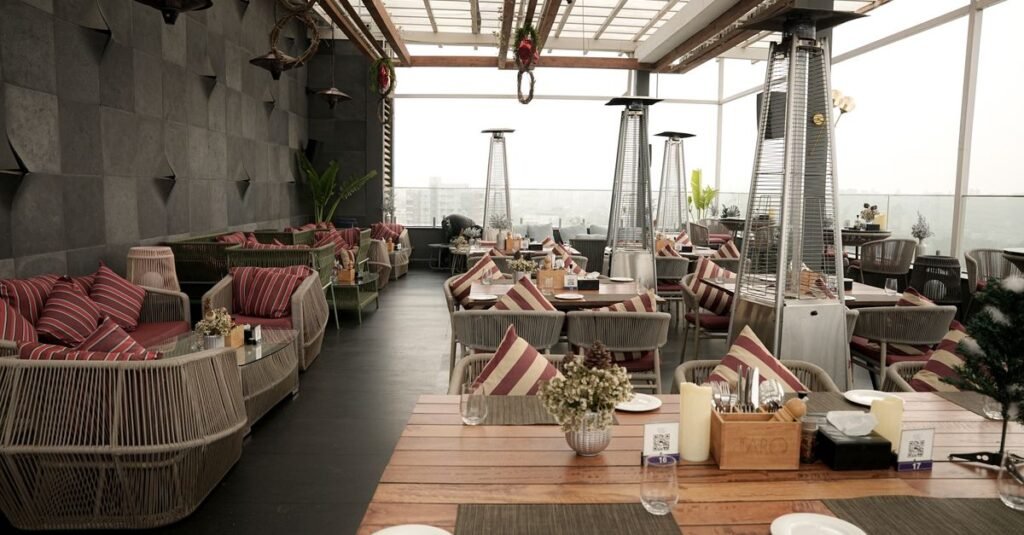
The Four Fuels, Honestly Compared
Propane: The Flexible Workhorse
The classic mushroom-dome heater: cabinet hides a standard exchange tank, wheels move it where the party goes, and output runs strong enough to warm a full conversation circle in real autumn cold. The trades: tanks run out (about 10 hours at full blast — keep a spare), fuel cost is the real price of ownership, wind steals a share of the heat, and OPEN AIR ONLY — propane under low covers or enclosed spaces is a carbon-monoxide and fire hazard, full stop.
Electric Infrared: The Covered-Space Champion
Wall- or ceiling-mounted panels (and plug-in stand models) that heat PEOPLE and objects rather than air — which means wind barely matters and roofs are welcome, with proper clearance per the unit. Silent, instant, zero maintenance, no fuel runs, and the cheapest per-evening operation. The trades: needs a circuit (bigger units want dedicated wiring), heats a narrower zone per unit, and delivers gentler peak warmth than a roaring propane dome. For screened porches, pergolas, and balconies, it is barely a contest.
Natural Gas: The Permanent Endgame
Plumbed to the house line: never refills, costs the least per hour of anything on this page, and delivers propane-class heat forever. The trade is everything upfront — professional installation, a fixed location, and a price that only makes sense for the outdoor kitchen tier of commitment (where it happily shares the line, per our outdoor kitchen guide).
Fire Features: The Gathering Purchase
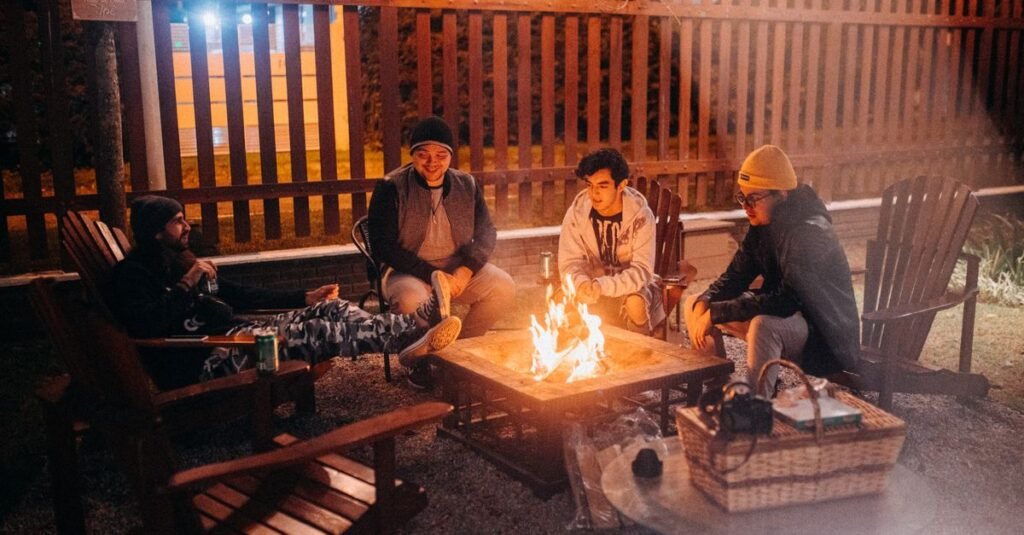
Fire pits and fire tables radiate less usable warmth per dollar than any heater above — and no heater above ever made guests pull chairs closer. Buy fire for atmosphere and marshmallows, heaters for actual thermal comfort, and know which itch you are scratching; the full romance is in our fire pit guide.
The Luxury Pergola’s pro comparison above walks gas versus electric versus fire with installed examples — the perfect visual companion to this fuel fork.
The Coverage Math (Why One Heater Disappoints)
Marketing quotes square feet; physics delivers circles. A full-size propane mushroom warms a radius of roughly 6–9 feet in mild-to-cool air — one conversation circle — and less as temperatures drop and wind rises. Electric panels quote narrower, more directional zones.
The buying translation: count SEATING ZONES, not patio dimensions. A dining table plus a lounge corner is two zones — two heat sources (or one heater plus one fire table, splitting function). A long patio hosting twelve wants heat distributed, not one tower blasting the middle.
The multipliers that stretch every BTU: wind protection (a screen, hedge, or wall turns a shivering patio into a mild one — wind is the heat thief, and blocking it is free warmth), lower mounting/aiming (heat the sitters, not the sky), dark and dense furnishings that absorb and re-radiate (your outdoor rug quietly helps), and the humble blanket basket — the highest-satisfaction-per-dollar item in outdoor comfort, no contest.
Safety: The Section That Outranks Features
Clearances per the manual, always: propane mushrooms typically demand several feet of clearance overhead and around — never under umbrellas, awnings, low pergola rafters, or indoors/enclosed anything (CO risk is real and annual). Electric units list their own distances from combustibles; honor them even when the mount looks fine.
Stability: mushroom heaters are sail-shaped — buy models with water/sand base reservoirs, and lay them down or shelter them in real wind rather than trusting the base.
Fuel handling: tanks upright, connections leak-tested with soapy water at each swap, spares stored OUTSIDE enclosed spaces, and the burner cooled before covering. Around kids and pets: the emitter zones run hot — placement behind furniture lines beats mid-traffic, exactly as our childproofing guide preaches for every heat source.
And the insurance footnote: balconies and rentals often prohibit propane outright — check the lease and local code; electric is usually the compliant answer (and the better one anyway under a balcony ceiling).

Matching Heater to Home (The Quick Sorter)
Open patio, hosting flexibility, no wiring appetite: full-size propane mushroom (plus spare tank), wheels toward whichever zone hosts tonight.
Covered porch, pergola, or balcony: electric infrared, mounted per clearance, switched at the door — the set-and-forget tier.
Small bistro balcony: tabletop propane or a plug-in electric stand — scaled heat for two chairs, same clearance rules in miniature.
Dining table specifically: fire table (ambiance plus centered warmth) or an overhead electric panel — mushroom heaters fight with umbrellas.
The outdoor-kitchen household: natural-gas plumbing while the trench is open — future-you toasts present-you every October.
The once-a-season host: skip ownership — blanket baskets plus the fire pit you already own cover two parties a year with zero storage debt.
Running Costs and the Ownership Year
The honest ledger: propane costs per evening what electric costs per week — but electric’s install (if wired) fronts the difference. Natural gas undercuts both forever after its install. Whichever you choose: covers double lifespan (heaters live outside; their burners prefer not to), a seasonal check of hoses, connections, and emitters takes ten minutes, and off-season storage — tank disconnected, unit covered or garaged — returns a spring heater instead of a spring project.
Buy timing note: patio heaters follow an inverse season — late winter and spring clearances price the same unit dramatically below the first-cold-snap panic week. The best heater purchase of October was made in March.
The Shoulder-Season Playbook (Getting Six Extra Weeks)
The heater is one instrument in the season-stretching orchestra, and the full arrangement buys outdoor evenings from September into November. The layering: heat sources aimed at seating (not walkways), windbreak established FIRST (the free multiplier), rug down for underfoot insulation, and the blanket basket stocked and visible — guests will not ask, but they will absolutely take.
The schedule shift: shoulder-season hosting moves earlier — a 5:30 dinner catches the day’s warmth and hands the heater a smaller gap to close than a 8:00 start asks. Warm drinks pull double duty (a thermos station outperforms its cost in perceived warmth), and dark-colored seating that soaked afternoon sun quietly radiates it back through the first hour.
The end-of-night ritual that preserves the gear: burner off and cooled BEFORE the cover goes on, tank valve closed, cushions in — ninety seconds that decides whether spring finds equipment or corrosion. Run the full arrangement and the patio season genuinely runs two months longer than the thermometer suggests — which, per evening enjoyed, makes the heater the cheapest room addition a house can buy.
Frequently Asked Questions
What type of patio heater is best?
By space: propane mushrooms for open patios and flexibility, electric infrared for covered areas and lowest running cost, natural gas for permanent plumbed setups, and fire features when gathering matters more than warmth. Fuel-to-space match beats any brand question.
How much area does a patio heater cover?
A full-size propane mushroom warms roughly a 6–9 foot radius — one seating circle — shrinking with cold and wind. Count seating zones and heat each one; a single heater cannot warm a whole patio.
Can you use a propane patio heater under a covered patio?
Generally no — propane units demand generous overhead clearance and open-air ventilation; low covers create fire and carbon-monoxide risk. Covered spaces are electric infrared territory, mounted per the unit’s clearances.
How long does a propane tank last in a patio heater?
Roughly 10 hours at full output on a standard exchange tank — longer at lower settings. Keep a spare, leak-test connections at swaps with soapy water, and store tanks upright outside enclosed spaces.
Are electric patio heaters expensive to run?
They are the cheapest per evening of any powered option — typical units cost pocket change per hour. The expense, if any, is the one-time wiring for larger mounted panels.
Do patio heaters work in wind?
Wind is the heat thief: propane domes lose a large share of their warmth to a steady breeze. A windbreak — screen, hedge, wall — often adds more felt warmth than a second heater, and infrared’s object-heating suffers least.
Troubleshooting the Heater You Own
Propane dome lights then dies: almost always the thermocouple — the safety sensor needs the pilot’s full heat, so hold the ignition longer; a persistently failing one is a cheap replaceable part, not a new heater.
Weak flame on a full tank: the regulator’s safety lockout tripped by a too-fast valve opening — close everything, disconnect, wait a minute, reconnect, open the tank valve SLOWLY. This single ritual resolves most “broken heater” verdicts.
The clicking igniter that never catches: spark gap moved or electrode dirty — a matchstick’s adjustment and an alcohol wipe; keep long lighters in the drawer for igniter retirement age.
Electric panel heats weakly: check the circuit’s other passengers — infrared panels want their amps, and a shared circuit browning out under load delivers half the promised warmth.
Rust freckles on the dome after winter: sand lightly, high-heat paint, and re-commit to the cover — cosmetic this year is structural in three.
Wobble on the base: sand or water reservoir underfilled — fill it; a full base is both stability and the anti-tip safety system. Ten minutes of seasonal attention keeps a mid-range heater outliving neglected premium ones — the recurring moral of every outdoor category.
The Hosting Configurations (Heat by Party Type)
The dinner party of six: one heater per conversation end of the table OR the fire-table centerpiece, blankets pre-draped on chair backs (guests use what they never request), and the wind-block checked before guests arrive — re-seating a party mid-course is the host’s least favorite show.
The big casual gathering: zones, not blankets of heat — a warmed conversation circle, a warmed food-table area, and deliberately unheated circulation space between (people warm rooms; movement warms people).
The two-person weeknight: skip the big dome — a tabletop unit or the electric panel over the bistro corner heats the actual humans for pennies, which is the nightly-use math that decides real satisfaction.
The kids-in-the-yard evening: heaters live behind the furniture line, fire features get the barrier conversation, and the blanket basket becomes the fort supply — a use case the manufacturers never list and every family discovers.
Across every configuration, the host’s checklist runs identical: fuel checked BEFORE guests, spare tank or circuit confirmed, clearances walked, and the first chill answered with layers before wattage — the party remembers warmth, never the hardware that made it.
One Last Match Struck
If the whole guide condenses to a purchase note: open patio takes the propane dome plus a windbreak, covered space takes the mounted infrared, permanence takes the gas line, and every configuration takes the blanket basket first — because the cheapest BTU on the patio has always been wool. Buy in spring, cover in winter, and the outdoor season stops reading the calendar.
And one warmth truth the industry skips: the heater’s best output is behavioral — a warm patio gets used, a used patio gets furnished and lit and loved, and the household quietly gains a room it already owned. The hardware buys degrees; the habit buys the season.
The Bottom Line
Patio heat is a matching game: fuel to your space, units to your seating zones, clearances to the manual — then wind-block, aim low, and stock blankets, which outperform their price against every burner on this page.
Do it right and October evenings become September’s — which was the whole purchase, delivered.

I'm Nasir Uddin Khan, founder of HomeNeeds24 and a senior IT consultant with 18+ years' experience in Oracle database administration, enterprise infrastructure and ERP system design. I write the buying guides here and I build every calculator on the site myself, from published engineering standards rather than opinion. My research is structured rather than lab-based: manufacturer specifications, safety and efficiency standards, and the trade-offs that repeat across large volumes of verified customer reviews. Where I have direct hands-on experience — smart home, networking, energy and anything computer-adjacent — I say so in the guide.