
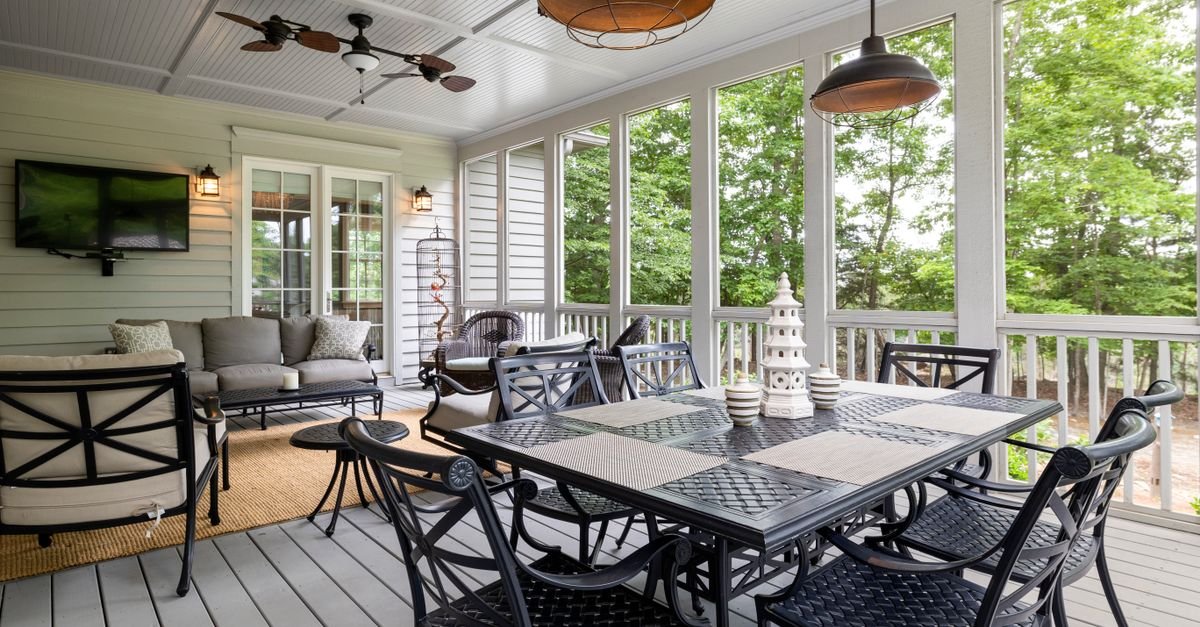
Winning the patio back from mosquitoes is a three-layer defense: eliminate the standing water where they breed (the only strategy that reduces their numbers), blow them off course with fans (the most underrated fix in the category — mosquitoes are weak fliers), and protect the people with proven repellents while the first two layers do their work. Everything else — the candles, the plants, the gadgets — is garnish on those three, and some of it is pure theater.
Also Read


This is the complete patio defense manual: the breeding-site audit, the fixes ranked by evidence, the honest verdict on citronella and repellent plants, and the escalation ladder for yards that stay bad.
Key Takeaways
- Mosquitoes breed in standing water — a bottle cap’s worth is enough. The weekly water audit outperforms every product on this page.
- Fans genuinely work: steady airflow across seating disrupts weak fliers and disperses the CO2 that attracts them — a pedestal fan is the best fifty dollars in this fight.
- EPA-registered repellents (DEET, picaridin, oil of lemon eucalyptus) protect people; citronella candles create only a small, wind-fragile zone.
- “Mosquito-repellent plants” barely repel in pot form — the oils repel, the living plant mostly decorates.
- Bug zappers kill moths and beneficial insects by the thousand and barely dent mosquitoes — the classic theater purchase.
- Screened enclosures and netting are the only 100% solutions — worth real consideration for bad-mosquito regions.

Know the Enemy (Two Facts That Drive Every Fix)
Fact one: mosquitoes are born within yards of where they bite. Most species fly a short radius, and they need standing water — even tablespoon-scale — to breed. Your worst mosquitoes are usually YOUR mosquitoes, which is excellent news: the breeding sites are within reach of your Saturday.
Fact two: they hunt by chemistry and land by stealth — tracking the CO2 you exhale and the scent of skin, then approaching in slow, weak flight. Every effective defense attacks one of those: remove the nursery, scramble the approach, or mask the target.
The entomologist segment below covers the biology in five minutes and agrees on the ranking: water first, wind second, repellent third.
Layer One: The Standing-Water Audit (The Only Population Fix)
Walk the property with one question — where does water sit for a week? The classic culprits: plant saucers and cache pots, clogged gutters (the invisible number one — a gutter with damp debris breeds thousands), buckets, wheelbarrows and toys, tarps and furniture covers with pooled folds, birdbaths (lovely — refresh weekly), kiddie pools, pet bowls left out, trash-can lids, and the low spot where the downspout empties.
The fixes, in effort order: dump and flip everything dumpable weekly (the audit IS the treatment), clear the gutters seasonally, drill drainage holes in anything that must stay out, refresh water features weekly or add a pump (moving water doesn’t breed), and for the undrainable — rain barrels, pond corners, that permanent puddle — use Bti dunks: a naturally derived larvicide that kills mosquito larvae and, used as directed, spares pets, birds, and beneficial insects.
Then extend the audit one conversation: your worst source may be the neighbor’s neglected kiddie pool. A friendly word (or a shared box of dunks) beats every gadget on your own side of the fence.

Layer Two: Wind and Barriers (The Party-Night Fixes)
The fan doctrine: a pedestal or box fan aimed across the seating area at ankle-to-knee height makes the zone genuinely hostile to mosquito flight — they cannot hold course in a breeze, and the moving air scatters your CO2 signature. Consumer testing keeps validating it; hosts keep underusing it. Two fans crossing a large patio cover a dinner party for pennies of electricity.
Ceiling and porch fans do the same job for covered spaces — one more argument in the screened-porch direction. And screening itself is the category’s quiet emperor: a screened porch or a netting-curtained pergola is a 100% solution, every evening, forever — the upgrade path for regions where mosquitoes own the calendar. Netting kits retrofit onto most pergolas and gazebos in an afternoon.
The landscape assist: mosquitoes rest in dense, damp vegetation during the day — trimmed shrubs, mowed grass, and cleared leaf litter around the patio remove their daytime lounge and measurably thin the evening crowd.
Layer Three: Protecting People (The Evidence Tier)
EPA-registered repellents are the proven personal layer: DEET (the benchmark), picaridin (equal performance, lighter feel, kinder to plastics), and oil of lemon eucalyptus (the strongest botanical option — note: the refined product, not the essential oil, and not for children under three). Applied to exposed skin per label, any of the three turns you invisible for hours.
Spatial repellents earn a qualified nod: butane-powered repellent mats and similar devices create a genuine protection zone in still air — useful for stationary evenings, undone by wind (which, conveniently, your fan already provides for free).
Clothing closes the tier: light colors (dark attracts), loose weaves over tight (they bite through leggings), and long sleeves at dusk during peak season. Dusk and dawn are their rush hours — schedule the patio dinner an hour earlier and skip the worst traffic entirely.

The Honest Verdicts (What the Aisle Sells vs. What Works)
Citronella candles and torches: a real but small effect in a wind-protected bubble immediately around the flame — ambiance with a minor assist, not a perimeter. Buy them for the glow; let the fan do the defending.
“Mosquito-repellent plants” (citronella geranium, lavender, marigold, catnip): the oils inside genuinely repel; the intact plant sitting in a pot releases almost nothing. Plant them as herbs and beauty — crushing leaves onto skin is folklore with mild merit and occasional rashes.
Bug zappers: the blue-light graveyard kills moths, beetles, and beneficial insects overwhelmingly — studies find mosquitoes a rounding error of the catch, because mosquitoes hunt CO2, not light. The satisfying zap is the sound of the wrong insects dying.
Ultrasonic gadgets and repellent apps: no credible evidence, repeatedly tested, ever. The most honest thing in the listing is the battery indicator.
Mosquito traps (CO2 and lure-based): can catch impressive numbers; evidence on actually improving your evening varies by yard and placement — a legitimate experiment for bad yards AFTER the water audit, never instead of it.

The Escalation Ladder (For Yards That Stay Bad)
If the audit, fans, and repellents still lose the yard: step one, re-audit with humility (gutters and neighbor sources hide well — the flashlight-after-rain walk finds what the Saturday stroll missed). Step two, Bti-treat every undrainable water feature on schedule. Step three, the screened enclosure conversation — often cheaper than years of products. Step four, professional treatment: barrier sprays knock populations down for weeks but take beneficial insects with them — a real trade-off worth an honest conversation with the provider about targeted, minimal programs. Municipal note: severe area-wide problems (and any suspected disease concern) belong with local vector control, who treat at the source scale no homeowner can.
And the perspective the category owes you: most patios don’t need the ladder. A weekly water walk, one good fan, and picaridin on the ankles reclaim the average backyard evening completely — the rest of the aisle is selling to the yards that skipped step one. The full outdoor season playbook lives in our outdoor living guide, and the evening-comfort side in the lighting and heating guides.
The Season Calendar (Timing the Whole Campaign)
Mosquito defense runs on a calendar, and early beats reactive by weeks. Early spring: the pre-season audit — gutters cleared, containers flipped, tarps re-tensioned — before the first generation ever hatches; larvae killed in April never bite in June. Late spring: dunks into the undrainables on schedule, fans staged, screens repaired while repairs are leisurely.
Peak summer: the weekly water walk as standing ritual (post-rain especially — every storm restocks the nurseries), repellent by the door where you’ll actually use it, and dusk-shifted hosting through the worst weeks.
Late summer through fall: keep the audit running — populations peak late, and the last generations lay the eggs that overwinter; a strong September finish measurably thins NEXT year’s opening wave. First frost: store the fans, drain the barrels, and note in your phone what worked and which corner kept breeding — the note is next April’s head start.
The calendar’s honest promise: households that run the spring audit and weekly walk report the aisle’s gadgets gathering dust — not because the products improved, but because the problem shrank beneath needing them.
Frequently Asked Questions
What actually keeps mosquitoes away from a patio?
Three layers: eliminate standing water weekly (the only fix that reduces their numbers), run a fan across the seating (they cannot fly in breeze), and use EPA-registered repellent on people. Candles and plants add ambiance, not protection.
Do fans really keep mosquitoes away?
Genuinely — mosquitoes are weak fliers, and steady airflow both blows them off course and disperses the CO2 they track. A pedestal fan angled across the seating zone is the best value in the entire category.
Do citronella candles work?
Only in a small, still-air bubble around the flame — a minor assist, easily undone by any breeze. Enjoy them as lighting; rely on fans, water removal, and skin repellent for actual protection.
What can I put in standing water I can’t drain?
Bti mosquito dunks — a naturally derived larvicide that kills larvae in birdbaths, rain barrels, and ponds while sparing pets, birds, and beneficial insects when used as directed. Refresh per the label through the season.
Are bug zappers worth it for mosquitoes?
No — zappers overwhelmingly kill moths and beneficial insects; mosquitoes hunt carbon dioxide, not light, and make up a tiny fraction of the catch. It is the category’s classic theater purchase.
Why is my patio still swarmed after doing everything?
Hidden breeding sites — usually clogged gutters or a neighbor’s standing water. Re-audit after rain with a flashlight, treat undrainables with Bti, talk to the neighbor, and for relentless regions, price a screened enclosure against another five years of products.
What Attracts Them to YOU (The Personal Variables)
Backyard populations explain the swarm; personal chemistry explains why it lands on you first. The established attractors: carbon dioxide output (bigger, more active, and — famously — pregnant people exhale more and get found faster), body heat and sweat (post-exercise evenings are prime biting time — shower before the patio, not after), dark clothing (mosquitoes hunt silhouettes; navy and black read as target), and blood type markers plus skin microbiome (the genetic lottery behind “they always bite ME” — roughly one in five people are genuinely preferred hosts).
The exploitable list: light clothing, pre-patio showers on workout days, repellent on ankles and feet FIRST (their favorite low-approach targets, and the spot everyone forgets), and seating upwind of the group’s CO2 plume when you know you’re the preferred course.
The myths that persist anyway: bananas, garlic, and vitamin B show no reliable effect in testing; “sweet blood” is folklore; and citronella bracelets protect exactly the three inches of wrist they encircle. The chemistry you can’t change picked some of us as dessert — the chemistry you CAN apply (picaridin, DEET, lemon eucalyptus) still overrules it completely.
The Rental and Small-Space Editions
No yard authority? The renter’s version compresses beautifully: the balcony water audit (plant saucers are the high-rise breeding site — empty them weekly and the balcony is largely solved), a plug-in fan angled across the seating, netting curtains on the balcony frame where rules allow (tension rods, zero holes), and picaridin as the personal layer that needs nobody’s permission.
The building-scale sources — clogged shared gutters, the courtyard fountain, the neighbor’s tarp lake — go to management in writing exactly like every other habitability issue; mosquito complaints with standing-water photos attached get maintenance visits, because vector control fines land on owners, not tenants.
Small-yard households run the full protocol at miniature scale and gain one advantage: total audit coverage in five minutes flat. The tiny yard that runs its weekly walk is frequently the only mosquito-free porch on a struggling block — proximity matters less than nursery availability, and yours closed.
And the last word belongs to the bite itself: wash it, cold-compress it, resist the scratch (broken skin trades an itch for an infection risk), and let an anti-itch cream do the diplomacy — while the evening’s data point goes into the audit: where were you sitting, and what water is nearby?
The Bottom Line
The mosquito war is won unglamorously: dump the water weekly, aim a fan at the party, put real repellent on real skin — and let the candles be candles.
Every dollar spent above that list should buy either screening or nothing. The patio was always winnable; the aisle just profits more when you lose slowly.

I'm Nasir Uddin Khan, founder of HomeNeeds24 and a senior IT consultant with 18+ years' experience in Oracle database administration, enterprise infrastructure and ERP system design. I write the buying guides here and I build every calculator on the site myself, from published engineering standards rather than opinion. My research is structured rather than lab-based: manufacturer specifications, safety and efficiency standards, and the trade-offs that repeat across large volumes of verified customer reviews. Where I have direct hands-on experience — smart home, networking, energy and anything computer-adjacent — I say so in the guide.