
Are you tired of high energy bills and chilly rooms in your home? Proper insulation can make a huge difference in keeping your space comfortable all year round.
Also Read

Imagine saving money while staying cozy in winter and cool in summer—sounds great, right? You’ll discover simple, effective home insulation tips that anyone can use. These tips will help you take control of your home’s temperature and reduce energy waste.
Keep reading to find out how small changes can lead to big savings and a more comfortable living space.
Benefits Of Home Insulation
Home insulation offers many benefits that improve daily life. It helps save money, keeps your house comfortable, and adds value to your property. Insulation is an important step for any homeowner.
Energy Savings
Insulation reduces the amount of heat lost or gained. This means your heating and cooling systems work less. Lower energy use cuts your utility bills. Saving energy also helps the environment by reducing emissions.
Improved Comfort
Insulation keeps indoor temperatures steady. Rooms stay warmer in winter and cooler in summer. It stops cold drafts and hot spots. Your home feels cozy all year round.
Reduced Noise
Insulation blocks outside sounds from entering your home. It also limits noise between rooms. This creates a quieter, more peaceful environment. Perfect for work, rest, or study.
Increased Property Value
Insulated homes attract more buyers. Energy-efficient features are highly desired. A well-insulated house can sell faster and at a better price. It is a smart investment for any homeowner.
Credit: www.members1st.org
Types Of Insulation Materials
Choosing the right insulation material helps keep your home warm in winter and cool in summer. Different types suit various needs and budgets. Knowing the options makes it easier to pick the best one for your house.
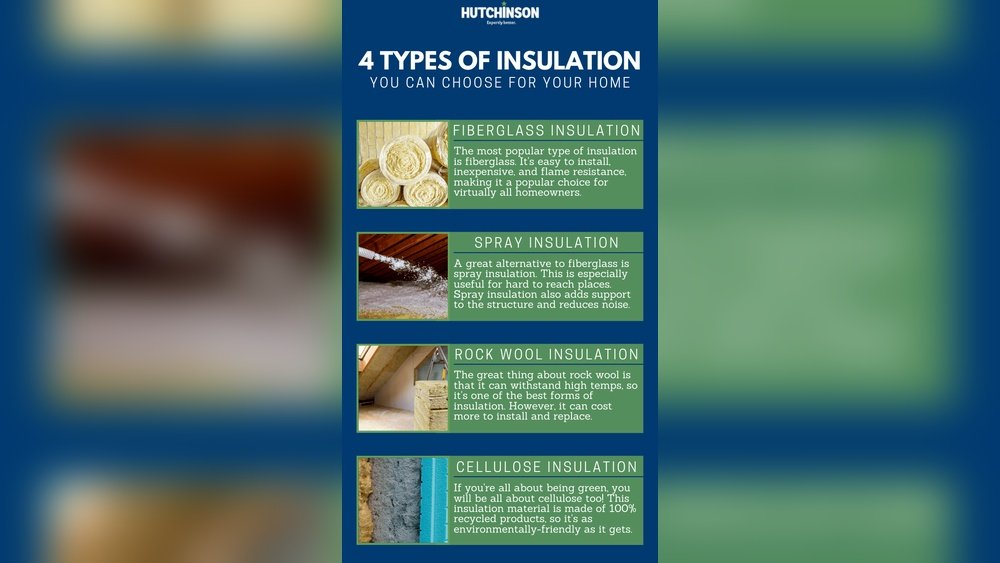
Fiberglass
Fiberglass is a popular choice for many homes. It consists of tiny glass fibers woven together. This material traps air, which slows heat loss. Fiberglass comes in batts or loose-fill forms. It is affordable and easy to install. It also resists moisture and fire well.
Spray Foam
Spray foam insulation expands on contact to fill gaps. It creates an airtight seal that stops drafts. This type is great for irregular spaces and tight corners. Spray foam has a high R-value, which means better insulation. It also adds strength to walls and roofs.
Cellulose
Cellulose is made from recycled paper treated for fire resistance. It is usually blown into wall cavities and attics. This material blocks air leaks and provides good soundproofing. Cellulose is eco-friendly and affordable. It can settle over time, so proper installation matters.
Mineral Wool
Mineral wool is made from rock or slag fibers. It resists heat, fire, and moisture very well. Mineral wool also reduces noise between rooms. It comes in batts or loose-fill forms. This material is denser than fiberglass, offering better insulation.
Reflective Insulation
Reflective insulation uses shiny foil layers to reflect heat. It works best in hot climates by reducing heat gain. This material often pairs with other insulation types. Reflective insulation is lightweight and easy to install. It also helps reduce energy bills in summer.
Key Areas To Insulate
Insulating your home helps keep it warm in winter and cool in summer. It lowers energy bills and makes your living space more comfortable. Knowing which areas to insulate is key to getting the best results.
Attic And Roof
The attic and roof are the main places where heat escapes. Warm air rises and can leave your home through an uninsulated attic. Adding insulation here stops heat loss and keeps your house cozy. Check for gaps or thin spots in the insulation and fill them well.
Walls And Floors
Walls and floors often lose heat without proper insulation. Insulating walls keeps the indoor temperature steady. Floors above unheated spaces, like garages, also need insulation to prevent cold floors. Use materials that fit tightly to avoid drafts and cold spots.
Basement And Crawl Spaces
Basements and crawl spaces are often cool and damp. Insulating these areas stops cold air from entering your home. It also reduces moisture problems that can damage your house. Use moisture-resistant insulation to keep these spaces dry and warm.
Windows And Doors
Windows and doors are common places for drafts and heat loss. Use weatherstripping or caulk to seal gaps. Double or triple-pane windows add extra insulation. Properly sealing these openings keeps your home energy efficient and comfortable.
Credit: makeitright.ca
Diy Insulation Tips
Doing insulation yourself saves money and improves your home’s comfort. Simple steps can make a big difference in keeping your house warm or cool. This guide shares easy tips for your DIY insulation project. Follow these to do the job right and safely.
Choosing The Right Material
Pick insulation that suits your home’s needs. Fiberglass is common and easy to install. Foam boards work well for walls and basements. Reflective barriers help with heat in hot climates. Check the R-value to know how well it insulates. Higher R-value means better insulation. Choose a material that fits your budget and space.
Safety Precautions
Wear gloves, goggles, and a mask to protect yourself. Some materials cause itching or breathing problems. Work in a well-ventilated area. Keep children and pets away during installation. Read the product instructions before starting. Dispose of scraps and packaging safely. Safety helps avoid accidents and health issues.
Installation Techniques
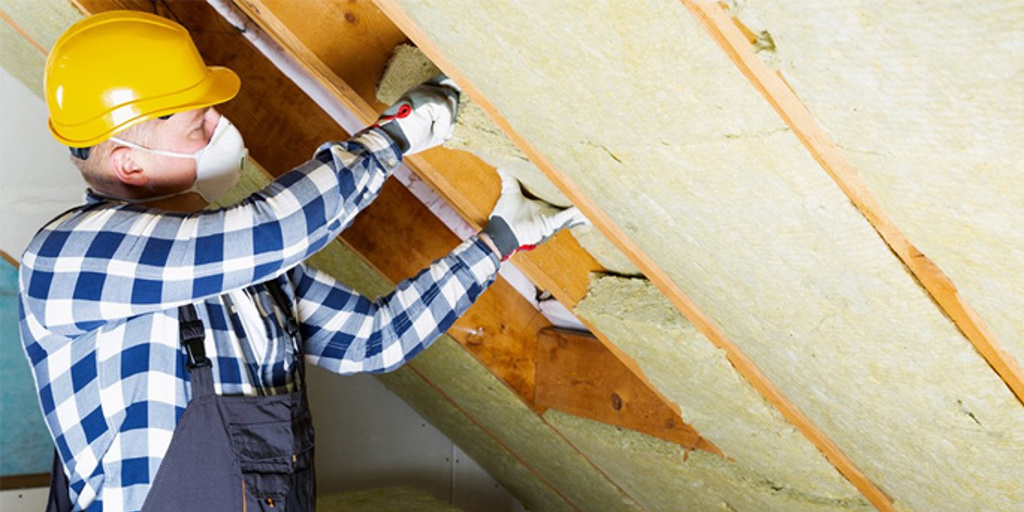
Measure spaces carefully before cutting insulation. Fit insulation tightly without gaps or compression. Seal edges with tape or foam to stop air leaks. Use a staple gun for fiberglass batts in walls. Avoid blocking vents or electrical boxes. Check for proper coverage in attics and crawl spaces. Take your time and work neatly.
Common Mistakes To Avoid
Don’t compress insulation, or it loses effectiveness. Avoid leaving gaps or spaces between pieces. Don’t cover vents or create moisture traps. Skip rushing; poor work reduces benefits. Avoid ignoring safety rules. Check for wiring or pipes before installation. Fix mistakes early to save energy and costs later.
Professional Insulation Services
Professional insulation services help improve your home’s comfort and energy efficiency. Experts use the right tools and materials for the job. They can spot problem areas you might miss. Quality installation prevents heat loss and lowers energy bills. These services save time and reduce stress.
When To Hire Experts
Call professionals if your insulation is old or damaged. Large projects need expert skills and equipment. Complex areas like attics and crawl spaces require careful handling. If unsure about insulation types or methods, experts provide guidance. Proper installation avoids future repairs and extra costs.
Cost Vs. Benefits
Professional insulation might cost more upfront. The benefits include lower heating and cooling bills. Good insulation raises your home’s value and comfort. Experts ensure materials last longer and work well. Over time, savings often exceed the initial cost.
Finding Reliable Contractors
Choose contractors with good reviews and proper licenses. Ask for references and check past work. Clear communication helps avoid misunderstandings. Get several quotes to compare prices and services. Reliable contractors finish work on time and clean up well.
Energy Efficiency And Savings
Improving your home’s insulation boosts energy efficiency and lowers costs. Good insulation keeps your house warm in winter and cool in summer. This reduces the need for heating and cooling systems. Saving energy means saving money on your utility bills. It also helps the environment by cutting down energy use. Understanding how much you can save makes it easier to decide on insulation upgrades.
Calculating Potential Savings
Start by checking your current energy use. Compare bills from before and after adding insulation. Look for reductions in heating and cooling costs. Use online calculators to estimate yearly savings. These tools consider your home size and insulation type. Even small changes can add up over time. Knowing potential savings helps plan your budget.
Government Incentives And Rebates
Many governments offer rewards for improving home insulation. These include tax credits, rebates, and grants. Check local programs to find eligible options. They can lower the cost of insulation materials and installation. Applying for incentives can make upgrades more affordable. Always keep receipts and proof of work done. This ensures you can claim your benefits easily.
Long-term Impact On Utility Bills
Good insulation reduces your energy bills for years. It creates a stable indoor temperature. This means your heating and cooling systems run less often. Less energy use means lower monthly bills. Over time, savings cover the cost of insulation. Your home becomes more comfortable and cheaper to maintain. Think of insulation as an investment in your home’s future.
Maintaining And Upgrading Insulation
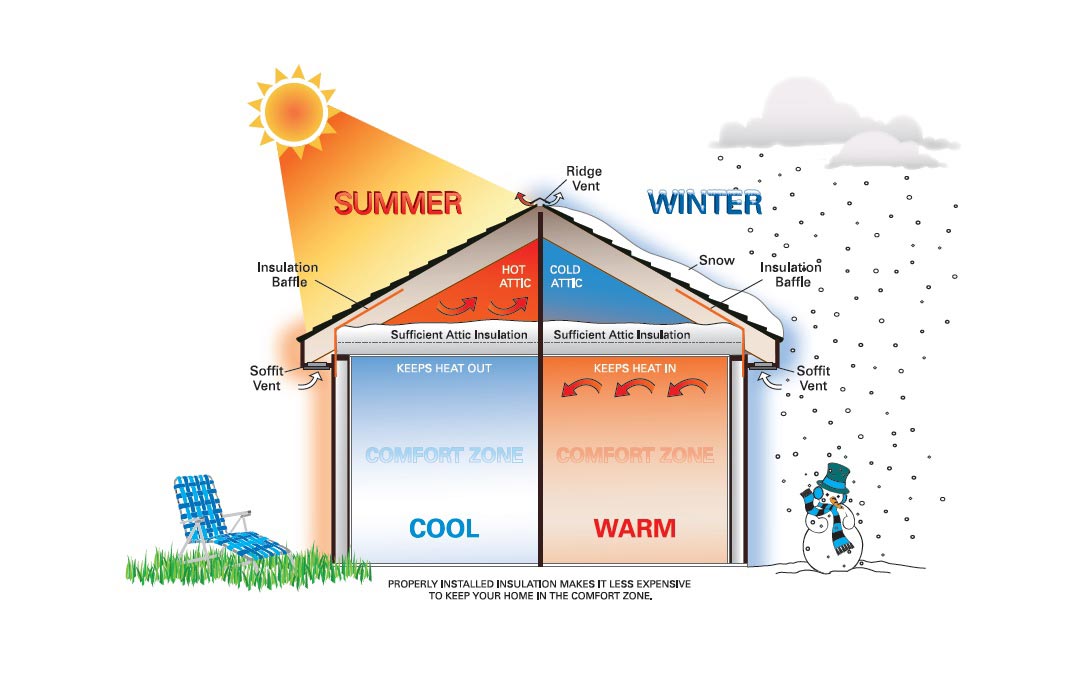
Maintaining and upgrading your home insulation keeps your house comfortable and energy-efficient. Good insulation blocks heat in winter and cool air in summer. Over time, insulation can wear out or become less effective. Regular care helps avoid high energy bills and cold drafts.
Regular Inspections
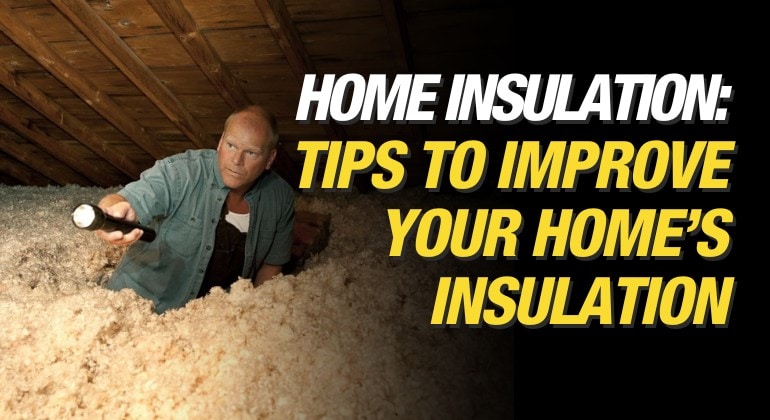
Check your insulation at least once a year. Look in the attic, walls, and floors. Use a flashlight to spot dark spots or gaps. Insulation should be even and thick. Inspect after storms or heavy wind. Catch problems early before they get worse.
Signs Of Wear And Damage
Insulation may look compressed or wet. It can also have mold or dirt buildup. Pests like rodents can damage insulation too. You might feel cold air near walls or floors. Noise from outside may be louder. These signs mean insulation needs attention.
When To Replace Or Add More Insulation
Replace insulation if it is damaged or very old. Add more if your home feels drafty or unevenly warm. New insulation types can improve energy savings. Check local building codes for recommended amounts. Proper insulation makes your home cozy year-round.
Credit: buildersdiscount.net
Frequently Asked Questions
What Are The Best Materials For Home Insulation?
The best materials include fiberglass, cellulose, spray foam, and mineral wool. These materials offer high R-values and durability. Choosing depends on your budget, climate, and wall type. Proper installation is key for maximum energy efficiency and comfort.
How Does Home Insulation Save Energy?
Insulation reduces heat loss in winter and heat gain in summer. This stabilizes indoor temperatures and lowers heating and cooling costs. Well-insulated homes require less energy, leading to lower utility bills and a smaller carbon footprint.
Where Should I Insulate My Home First?
Start with the attic, as it is the main source of heat loss. Then insulate walls, floors, and basements. Focus on areas with gaps or poor existing insulation to maximize energy savings and comfort.
Can Insulation Improve Indoor Air Quality?
Yes, insulation helps seal gaps, reducing drafts and outdoor pollutants entering your home. It also controls moisture, preventing mold growth. Proper insulation contributes to a healthier and more comfortable living environment.
Conclusion
Good home insulation saves energy and cuts bills. It keeps your house warm in winter and cool in summer. Simple steps like sealing gaps and adding insulation help a lot. You can improve comfort and reduce noise at the same time.
Start with small changes for big results. Taking care of insulation protects your home and the environment. Stay warm, save money, and enjoy a cozy house all year.