
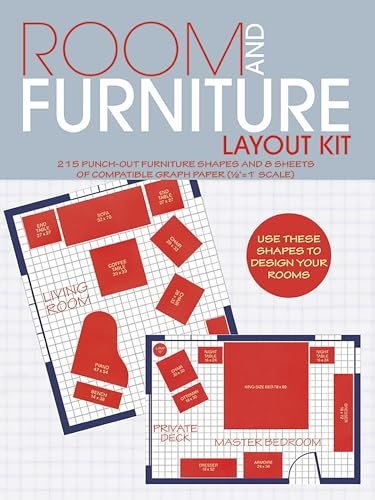
How you arrange a bedroom matters as much as what’s in it. A smart layout makes the room feel calm, spacious, and easy to move through; a poor one leaves it cramped, awkward, or restless — no matter how nice the furniture. The good news: bedroom layout follows a few clear principles, and once you know them, you can arrange almost any room well. This guide covers bedroom layout ideas and how to position furniture for comfort and flow.
Also Read



Start With the Bed
The bed is the largest piece and the room’s focal point, so place it first — everything else arranges around it. As general guidance:
- Position the bed against the room’s main (often longest) wall, ideally where it’s the first thing you see entering and feels anchored.
- Avoid placing the bed directly in line with the door if you can — a slightly offset position usually feels more restful.
- Try not to block windows with the headboard where avoidable; if unavoidable in a small room, keep it low.
- Leave access on both sides for a shared bed, with room to walk and make the bed.
Get the bed placement right and the rest of the layout tends to fall into place.
Allow for Flow and Clearance
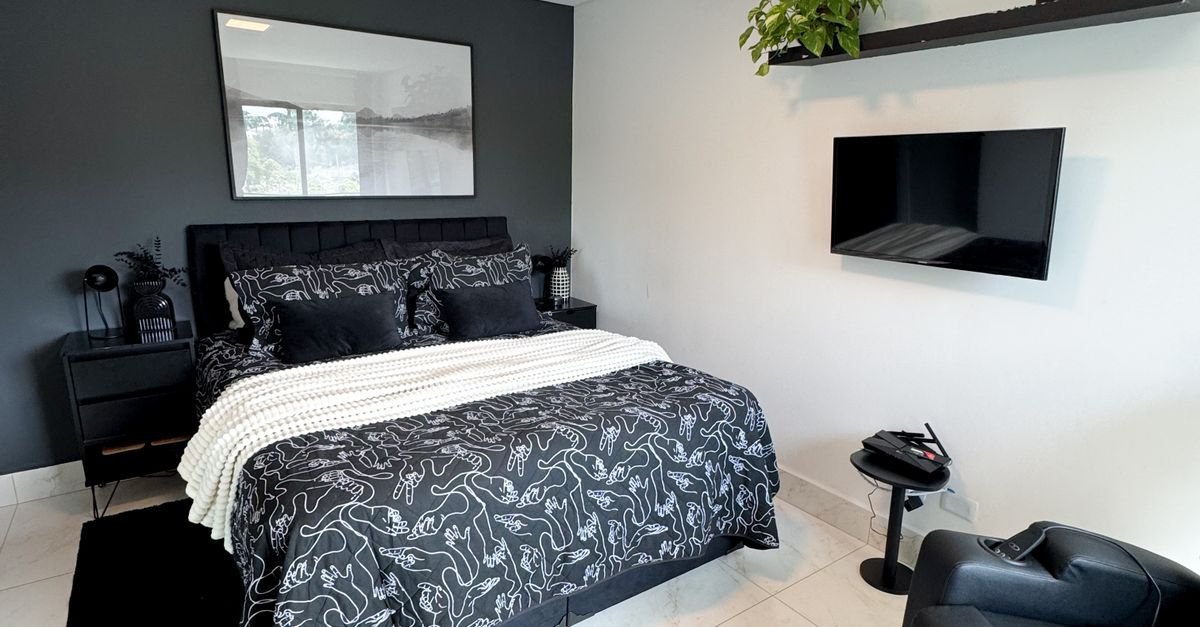
A restful bedroom is easy to move through. Leave clear walkways — enough room to pass comfortably around the bed and to open doors, drawers, and closets fully. Cramming in too much furniture is the most common layout mistake; it makes even a decent-sized room feel tight and stressful. Prioritize the pieces you truly need and keep pathways open. Space to move is part of what makes a bedroom feel calm.
Position the Supporting Furniture
- Nightstands: one on each side of a shared bed (or one for a single), within easy reach for a lamp, phone, and water.
- Dresser/chest: against a free wall where its drawers can open fully, ideally not crowding a walkway.
- Wardrobe/closet access: keep the path to it clear and leave room for doors to open.
- Seating (if space allows): a chair or bench at the foot of the bed or in a corner adds function without blocking flow.
Each piece should have a logical place where it’s useful and doesn’t obstruct movement.
Layout Ideas by Room Shape & Size
Small Bedrooms
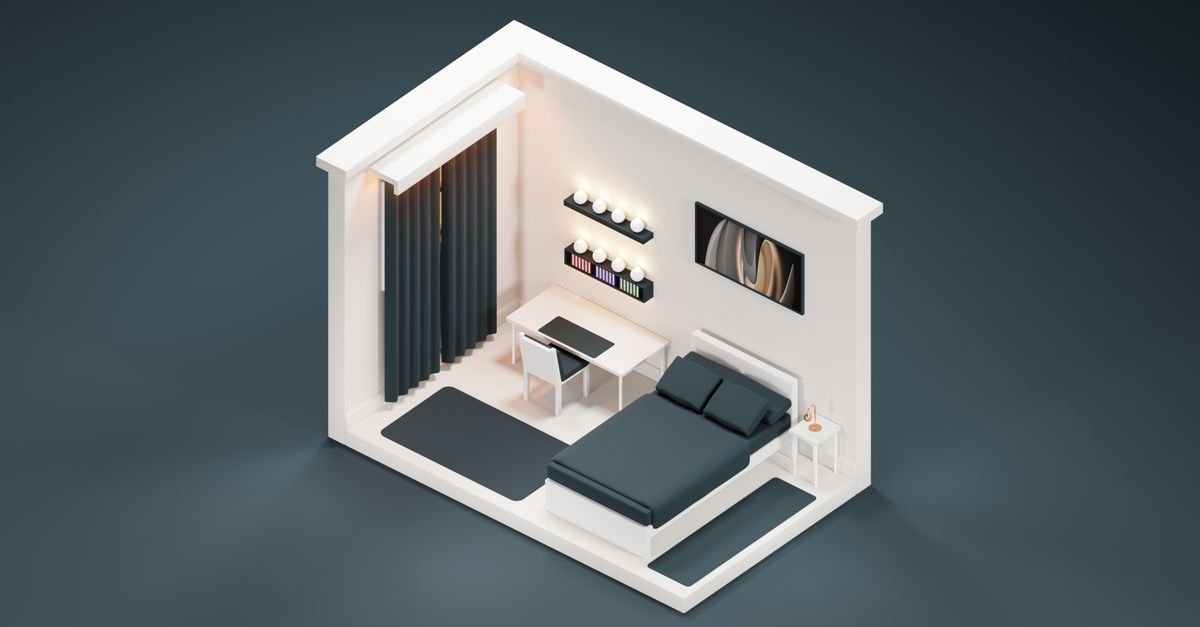
Place the bed against a wall (even in a corner) to free floor space, use vertical storage (tall chest, shelves) instead of wide pieces, choose a slim or storage bed, and keep furniture minimal. Light colors and keeping the floor clear make a small bedroom feel larger. Wall-mounted bedside shelves can replace bulky nightstands.
Large Bedrooms
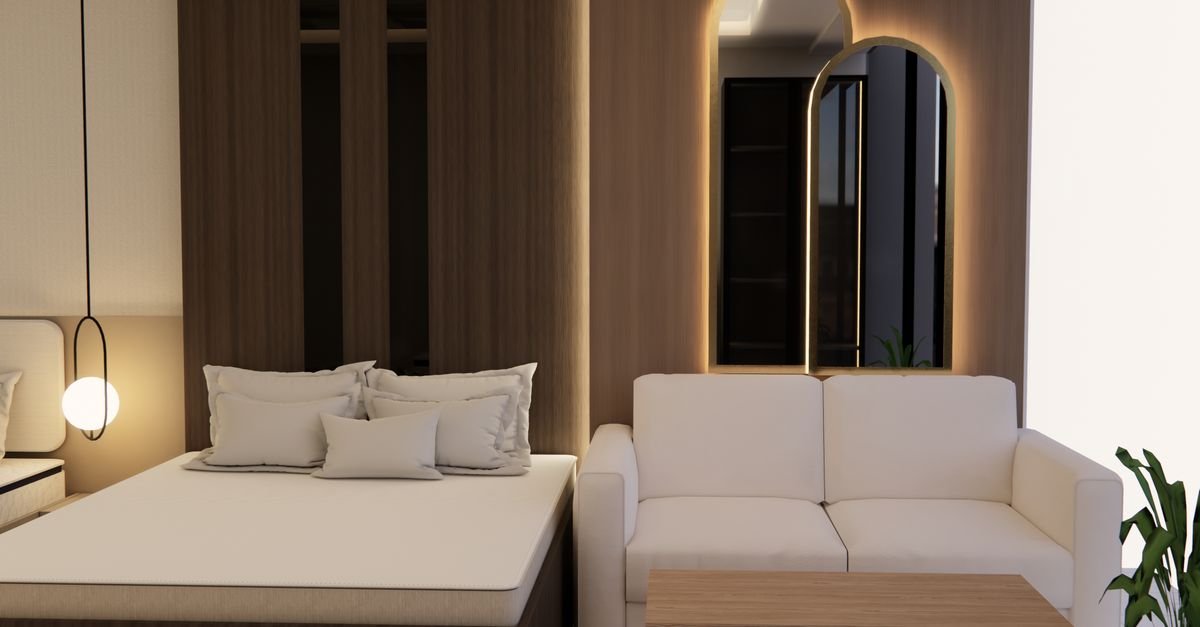
In a big room, center the bed on the main wall to anchor the space, and use the extra room for zones — a reading nook, a seating area, or a vanity. Avoid pushing everything to the walls and leaving a vast empty middle; a rug and a seating area can fill and warm the space.
Awkward or Narrow Rooms
Work with the room’s quirks: in a narrow room, place the bed against the shorter wall and keep one clear walking lane; use the alcoves or odd corners for storage. Sometimes an unconventional bed angle or position solves an awkward shape — experiment (on paper first).
Plan on Paper (or Tape) First
Before hauling furniture around, sketch the room to scale or tape out furniture footprints on the floor. This lets you test layouts and spot problems — blocked walkways, doors that won’t open, a bed too close to a radiator — without the heavy lifting. It’s the single best way to get the layout right the first time and avoid an awkward result. Measure the room, the furniture, and the doorways, and try a couple of arrangements on paper.
As an Amazon Associate, HomeNeeds24 earns from qualifying purchases.
Layout for Better Sleep & Calm
Layout affects rest, not just looks. Position the bed where it feels secure and restful (many people prefer being able to see the door without being directly in line with it). Keep the area around the bed uncluttered — clutter creates low-level stress. Place the bed away from noise sources where possible, and keep technology and work out of the sleep zone. A calm, uncluttered, well-flowing layout supports better sleep, which is the bedroom’s real purpose.
Frequently Asked Questions
Where should I put my bed in a bedroom?
Against the main (often longest) wall as the focal point, ideally not directly in line with the door, not blocking windows, with access on both sides for a shared bed. Place it first, then arrange everything else around it.
How do I lay out a small bedroom?
Put the bed against a wall or in a corner to free floor space, use vertical storage instead of wide pieces, choose a slim or storage bed, keep furniture minimal, and keep the floor clear.
What’s the most common bedroom layout mistake?
Cramming in too much furniture and blocking walkways. It makes even a good-sized room feel tight. Prioritize essential pieces and keep clear paths around the bed and to doors/drawers.
How do I plan a bedroom layout?
Sketch the room to scale or tape out furniture footprints on the floor before moving anything. Measure the room, furniture, and doorways, and test a couple of arrangements to spot problems first.
Key Takeaways
- Place the bed first — it’s the focal point everything arranges around.
- Leave clear walkways and don’t overcrowd; space to move keeps a bedroom calm.
- Position nightstands, dresser, and seating where they’re useful and don’t block flow.
- Adapt the layout to room size and shape — vertical storage and wall-placement help small rooms; zones suit large ones.
- Plan on paper or with tape first, and arrange for calm and better sleep.
A well-planned bedroom layout makes the room feel calm, spacious, and restful — the whole point of the space. Start with the bed, protect the flow, and plan before you lift a thing. For more ideas, visit our home guides and the full Bedroom & Bedding collection.

I'm Nasir Uddin Khan, founder of HomeNeeds24 and a senior IT consultant with 18+ years' experience in Oracle database administration, enterprise infrastructure and ERP system design. I write the buying guides here and I build every calculator on the site myself, from published engineering standards rather than opinion. My research is structured rather than lab-based: manufacturer specifications, safety and efficiency standards, and the trade-offs that repeat across large volumes of verified customer reviews. Where I have direct hands-on experience — smart home, networking, energy and anything computer-adjacent — I say so in the guide.