
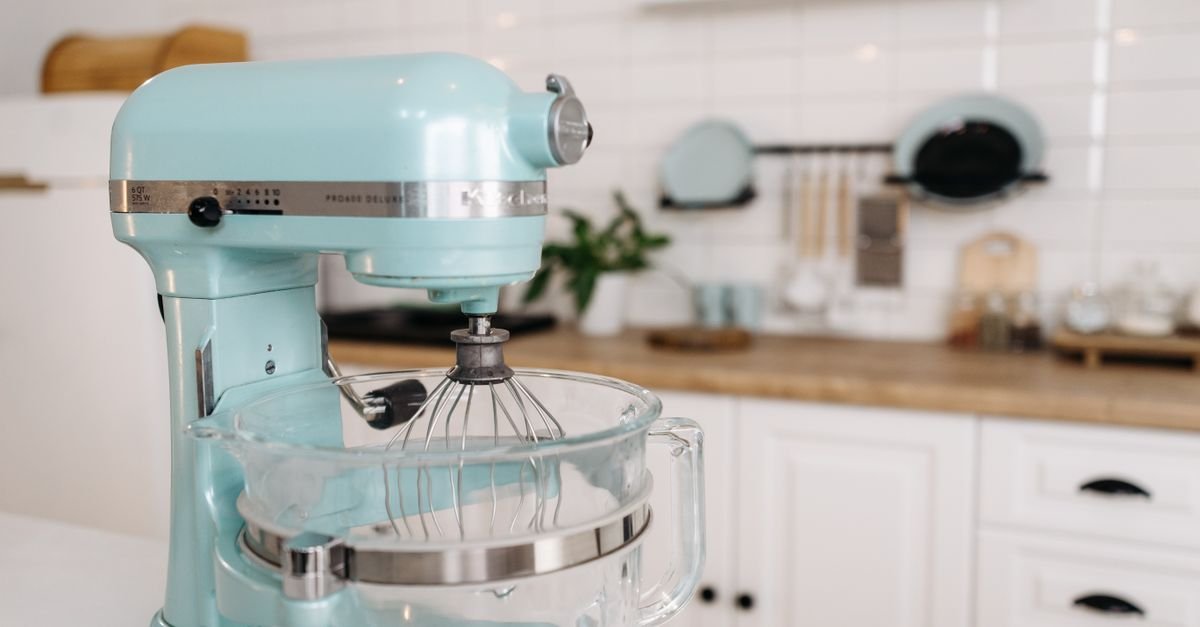
For most home bakers, the best stand mixer is a 5-quart tilt-head model – it has enough capacity for everyday batches of cookies, cakes and bread, it’s easy to use, and it accepts the attachments that make it a true kitchen workhorse. Here are the best stand mixers for 2026 by use case, plus how to choose the right size and power.
Also Read


See Top-Rated Stand Mixers on Amazon →
Key Takeaways
- Best for most people: a 5-quart tilt-head mixer – versatile and easy to use.
- Serious bread baker? Choose a bowl-lift model with more power and capacity.
- Size: 4-5 quarts suits everyday baking; 6-7 quarts for big or frequent batches.
- Attachments (dough hook, whisk, paddle) turn one machine into many tools.
- Buy once: a good stand mixer lasts for years, so build quality matters.
How we picked these stand mixers
We focused on the things that make a stand mixer a joy to own for years.
That means the right capacity for real baking, enough power to handle stiff dough, a sturdy metal build, and access to useful attachments. We also weighed ease of cleaning and value.
Rather than list model numbers that change yearly, we’ve grouped picks by how you bake, so you can match a mixer to your kitchen and habits.
How to choose a stand mixer
Choosing comes down to how much you bake and what you bake.
Decide between a tilt-head and a bowl-lift design, pick a bowl size that fits your batches, and check the wattage if you make bread. The video below from America’s Test Kitchen is a great primer.
With those three decisions made, the use-case picks below will point you to the right machine.
The best stand mixers by use case
Here are our top stand mixer picks for 2026, grouped by what you need.
Best overall: 5-quart tilt-head mixer
A 5-quart tilt-head mixer is the do-everything choice for most kitchens.
The tilting head makes it easy to add ingredients and swap attachments, and 5 quarts handles most cookie, cake and single-loaf bread recipes. It’s the classic for good reason.
If you’re not sure what to buy, start here.
Check 5-Quart Stand Mixers on Amazon →
Best budget: compact entry-level mixer
If money is tight, a smaller entry-level stand mixer still beats mixing by hand.
These cost far less, handle light to medium baking, and take up little counter space. You give up some capacity and heavy-dough power.
Perfect for occasional bakers and small households.
See Budget Stand Mixers on Amazon →
Best for bread bakers: bowl-lift heavy-duty mixer
Serious bread and pizza makers should choose a bowl-lift, high-wattage machine.
The bowl-lift design and stronger motor handle stiff, heavy dough without straining, and the larger bowl means bigger batches. It’s built for demanding, frequent use.
If you knead dough weekly, the extra power pays off.
Check Heavy-Duty Stand Mixers on Amazon →
Best for large batches: 6-7 quart mixer
Bake for a crowd or double recipes often? Size up to 6 or 7 quarts.
The extra capacity means fewer batches for holidays, parties and big families. Just make sure you have the counter and storage space.
Great for enthusiastic bakers who cook in volume.
See Large-Capacity Mixers on Amazon →
Best for small kitchens: mini stand mixer
Short on space? A mini stand mixer delivers real power in a small footprint.
These scaled-down models handle everyday baking while fitting tight counters and cabinets. They’re also lighter to move.
Ideal for apartments and compact kitchens.
Check Mini Stand Mixers on Amazon →
Best value all-rounder
For the best mix of price and capability, a mid-range 4.5-5 quart mixer is hard to beat.
You get a solid motor, a useful bowl size and the standard attachments without paying for pro-level extras. It covers the vast majority of home recipes.
This is the practical pick for most families.
See Value Stand Mixers on Amazon →
Best for versatility: mixer with attachment hub
If you want one machine that does more than bake, choose a model with an attachment hub.
That front power port lets you add pasta rollers, meat grinders, spiralizers and more, turning your mixer into a food-prep hub. Check which attachments fit before buying.
Great for cooks who love gadgets that actually earn their space.
Check Mixers with Attachment Hubs on Amazon →
Tilt-head vs bowl-lift stand mixers
The two designs suit different bakers.
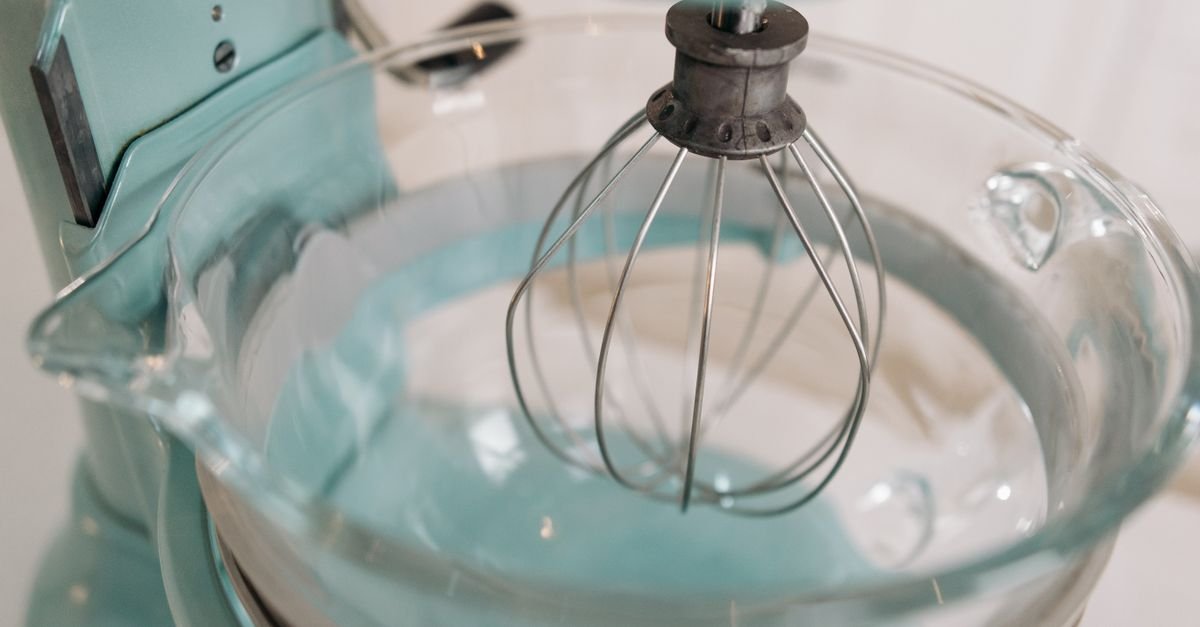
- Tilt-head: the head tilts back for easy access; lighter, cheaper and great for everyday baking.
- Bowl-lift: the bowl raises to the beater on a sturdy arm; more powerful and stable for heavy dough and big batches.
For most home bakers a tilt-head is perfect; choose bowl-lift if you make bread often or in bulk.
What size stand mixer do you need?
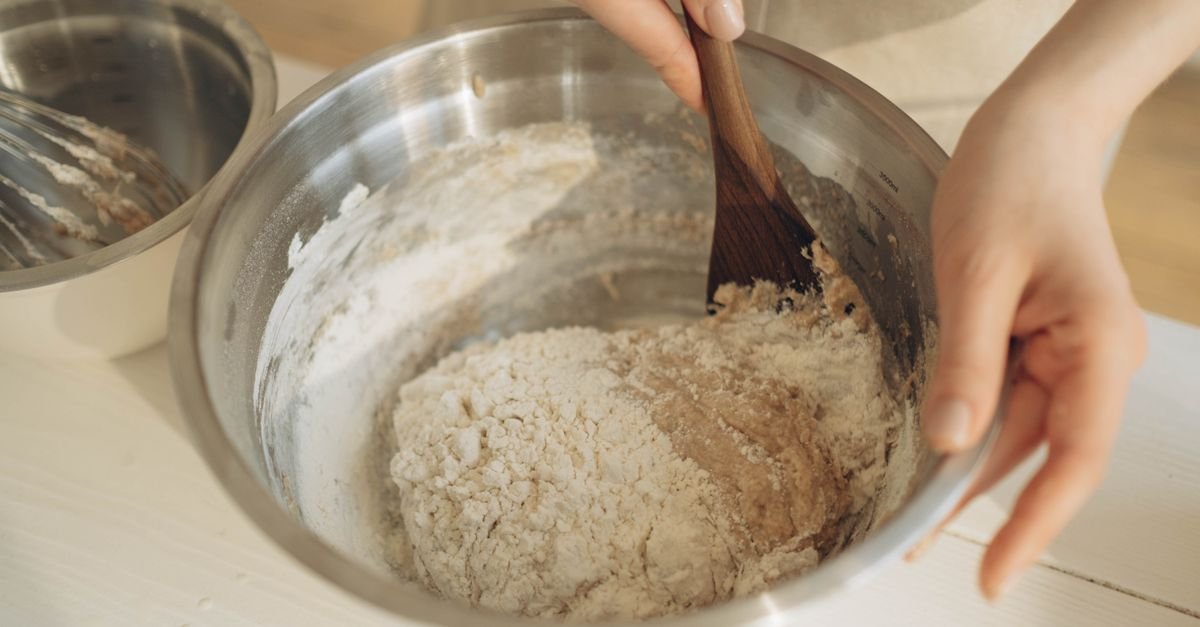
Bowl size decides how much you can make at once.
A 4-5 quart bowl handles most home recipes – a couple dozen cookies or a standard cake batter. Step up to 6-7 quarts if you regularly double recipes or bake for crowds.
Bigger isn’t automatically better – a huge bowl can struggle with very small quantities, so match the size to how you actually bake.
How much power (wattage) do you need?
Wattage matters most if you make heavy dough.
For cakes, cookies and whipping, a moderate-wattage motor is plenty. For bread, pizza and bagel dough, look for a higher-wattage, well-built motor that won’t bog down.
Don’t judge on watts alone, though – motor quality and gearing matter as much as the number on the box.
Key features to look for
A few features separate a great mixer from an average one.
- Multiple speeds plus a gentle start to avoid flour clouds.
- Planetary mixing action so the beater reaches the whole bowl.
- Metal (not plastic) gears and body for durability.
- Dishwasher-safe bowl and attachments.
- An attachment hub if you want extra versatility.
A sturdy build and planetary action are the features that make a mixer last and perform.
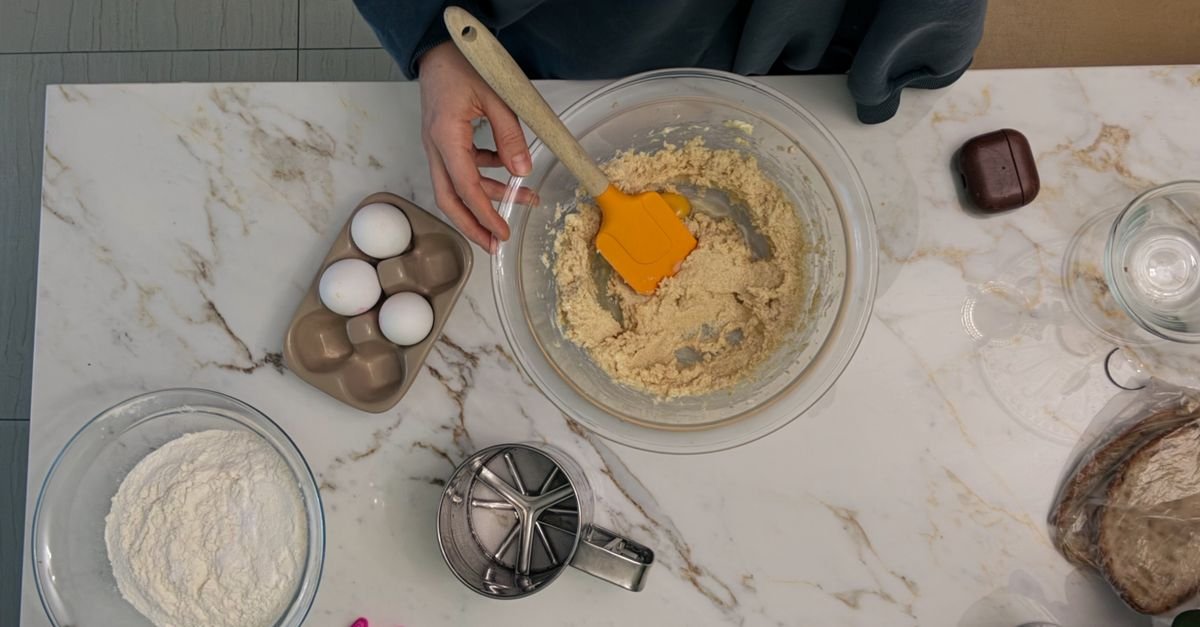
Stand mixer attachments worth having
The right attachments turn a mixer into a whole toolkit.
The three essentials come with most machines: a flat beater/paddle for batters, a whisk for whipping, and a dough hook for kneading. Beyond those, a pasta roller, meat grinder or flex-edge beater add real capability.
Buy the extras only as you need them, so you don’t pay for tools that gather dust.
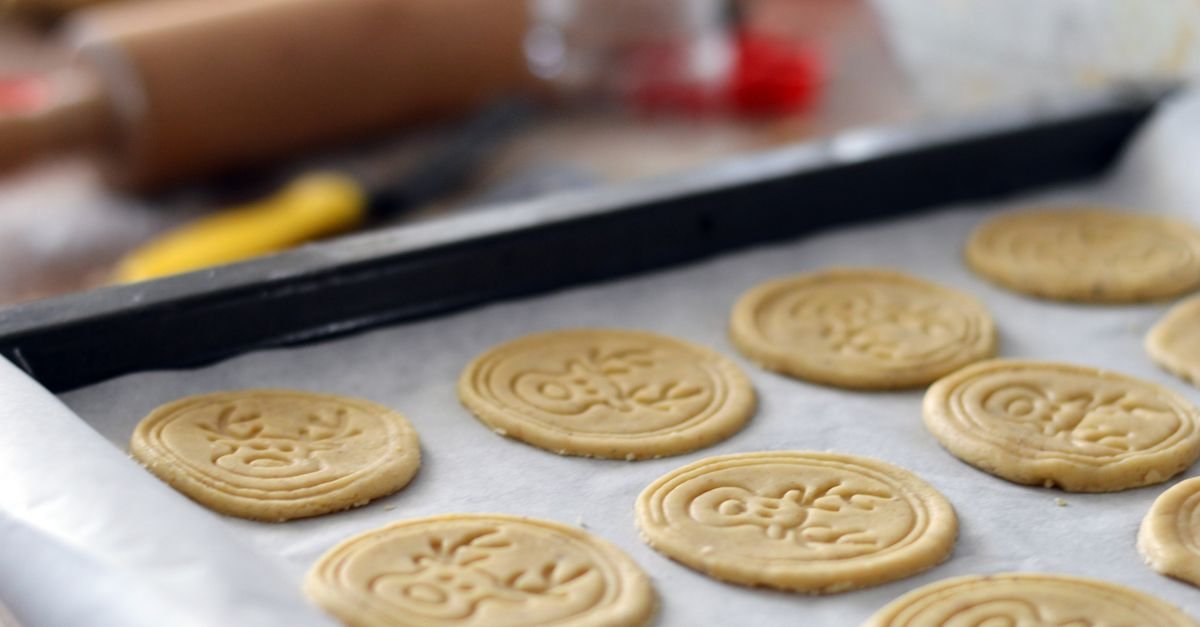
What can you make with a stand mixer?
A stand mixer does far more than cake batter.
It whips cream and meringue, kneads bread and pizza dough, mixes cookie dough, and creams butter and sugar effortlessly. With attachments it can roll pasta, grind meat and even shred chicken.
Once you own one, you’ll reach for it constantly – it genuinely changes how you cook and bake.
Stand mixer vs hand mixer: which do you need?
Both have a place, and it depends on your baking.
A hand mixer is cheap, compact and fine for light, occasional tasks like whipping cream or a quick cake. A stand mixer is hands-free, far more powerful, and essential for dough and frequent baking.
If you bake regularly or make bread, the stand mixer is the clear upgrade.
Is a stand mixer worth it?
For anyone who bakes more than occasionally, yes.
It saves time and effort, produces better, more consistent results, and lasts for many years – often decades. The hands-free operation alone transforms baking.
If you rarely bake, a hand mixer may be enough; if you love it, a stand mixer is one of the best kitchen investments you can make.
Stand mixer mistakes to avoid
- Buying too small. If you double recipes, a tiny bowl means endless batches.
- Overloading the motor. Match the machine to heavy dough, don’t force a light one.
- Starting on high speed. Begin slow to avoid flour and splatter everywhere.
- Ignoring build quality. Cheap plastic gears wear out under dough.
- Overpaying for attachments you’ll never use – add them as needed.
How much should you spend on a stand mixer?
Prices span a wide range, so match the spend to your baking.
Entry-level and mini mixers are affordable for light use, mid-range 5-quart models offer the best all-round value, and heavy-duty bowl-lift machines cost the most but handle anything.
For most people, a mid-range 5-quart tilt-head is the smart buy – enough capacity and power without paying for pro features you won’t use.
How to clean and care for your stand mixer
A little care keeps a stand mixer running for decades.
Wash the bowl and attachments after each use (many are dishwasher-safe), and wipe the body with a damp cloth – never submerge it. Dry attachments fully to prevent rust.
Every so often, check that the beater sits at the right height above the bowl, and store attachments together so nothing goes missing.
Are expensive stand mixers worth it?
For frequent bakers, a higher-end mixer often is worth it.
Premium models tend to have stronger motors, all-metal gears and better durability, which matters if you knead dough or bake weekly. Casual bakers, though, may be perfectly happy with a mid-range machine.
Match the spend to how hard and how often you will actually use it.
Can a stand mixer really knead bread dough?
Yes – kneading dough is one of a stand mixer’s best tricks.
Fitted with the dough hook, a capable mixer kneads bread, pizza and bagel dough hands-free, saving you the effort of doing it by hand. Heavier doughs need a more powerful, well-built machine.
Bowl-lift models handle large or stiff batches most comfortably.
What bowl material is best: stainless, glass or ceramic?
Each bowl material has its strengths.
Stainless steel is durable, lightweight and the most common choice. Glass lets you see the mix and often has measurement markings, while ceramic looks beautiful but is heavier and can chip.
For everyday baking, stainless steel is the practical, worry-free pick.
Do you need a splash guard or pouring shield?
A pouring shield is a small extra that many bakers love.
It sits over the bowl to stop flour clouds and splatter, and its spout lets you add ingredients without stopping the mixer. It keeps your counter (and you) much cleaner.
Many mixers include one, but it is an inexpensive add-on if yours does not.
How long do stand mixers last?
A well-made stand mixer is famously long-lived.
With metal gears and a sturdy motor, many last a decade or more, and some become hand-me-downs. Cheaper plastic-gear models wear out faster under heavy dough.
Occasional cleaning and not overloading the motor are the keys to a long life.
Frequently Asked Questions
What is the best stand mixer for home baking?
For most home bakers, a 5-quart tilt-head stand mixer is the best choice – it has enough capacity for everyday recipes, is easy to use, and accepts the standard attachments. If you bake bread often or in large batches, a bowl-lift model with more power and capacity is worth the upgrade.
What size stand mixer do I need?
A 4-5 quart bowl suits most home baking, handling a couple dozen cookies or a standard cake. Choose 6-7 quarts if you regularly double recipes or bake for crowds. Match the size to how you actually bake rather than buying the biggest available.
Is a tilt-head or bowl-lift stand mixer better?
Tilt-head mixers are easier to use, lighter and great for everyday baking, while bowl-lift mixers are more powerful and stable for heavy dough and big batches. Most home bakers are happiest with a tilt-head; serious bread makers benefit from a bowl-lift.
How many watts should a stand mixer have?
Moderate wattage is plenty for cakes, cookies and whipping, but bread and pizza dough call for a higher-wattage, well-built motor. Don’t judge on watts alone, though – motor quality and gearing matter just as much as the number.
Is a stand mixer worth it over a hand mixer?
If you bake regularly or make dough, yes. A stand mixer is hands-free, far more powerful, and produces more consistent results, and it lasts for years. A hand mixer is fine for light, occasional tasks and small budgets.
What attachments do I really need?
The three essentials are the flat beater (batters), the whisk (whipping) and the dough hook (kneading), which usually come included. Extras like a pasta roller or meat grinder are useful but optional – add them only if you’ll actually use them.
Are stand mixers hard to clean?
Not at all. The bowl and attachments are often dishwasher-safe, and the body just needs a wipe with a damp cloth. Never submerge the motor unit, and dry metal attachments fully to prevent rust.
The bottom line
A good stand mixer is a buy-it-once kitchen investment that makes baking easier and more fun for years.
For most people a 5-quart tilt-head is the sweet spot; go bowl-lift for serious bread and big batches.
Match the size and power to how you bake, choose a sturdy build, and add attachments as you grow. Round out your kitchen with our picks for the best electric kettles and best air fryers.

I'm Nasir Uddin Khan, founder of HomeNeeds24 and a senior IT consultant with 18+ years' experience in Oracle database administration, enterprise infrastructure and ERP system design. I write the buying guides here and I build every calculator on the site myself, from published engineering standards rather than opinion. My research is structured rather than lab-based: manufacturer specifications, safety and efficiency standards, and the trade-offs that repeat across large volumes of verified customer reviews. Where I have direct hands-on experience — smart home, networking, energy and anything computer-adjacent — I say so in the guide.