
Color is the most powerful and affordable way to change how a bedroom feels — and the bedroom is the one room where feeling matters most. The right color scheme makes a space restful, cozy, and easy to sleep in; the wrong one can leave it feeling cold, busy, or jarring. This guide covers how to choose a bedroom color scheme, the palettes that work best for rest, and how to use color to make your room feel calm, spacious, and personal.
Also Read



Why Bedroom Color Matters
Color affects mood, and nowhere is that more important than the room you sleep in. Calming, restful colors help you wind down and signal the brain that it’s time to relax, while overly bright or stimulating colors can make a bedroom feel restless. Beyond mood, color also shapes how big and bright a room feels. Because painting is one of the cheapest changes you can make, choosing the right scheme is the highest-value bedroom upgrade there is.
How to Build a Bedroom Color Scheme
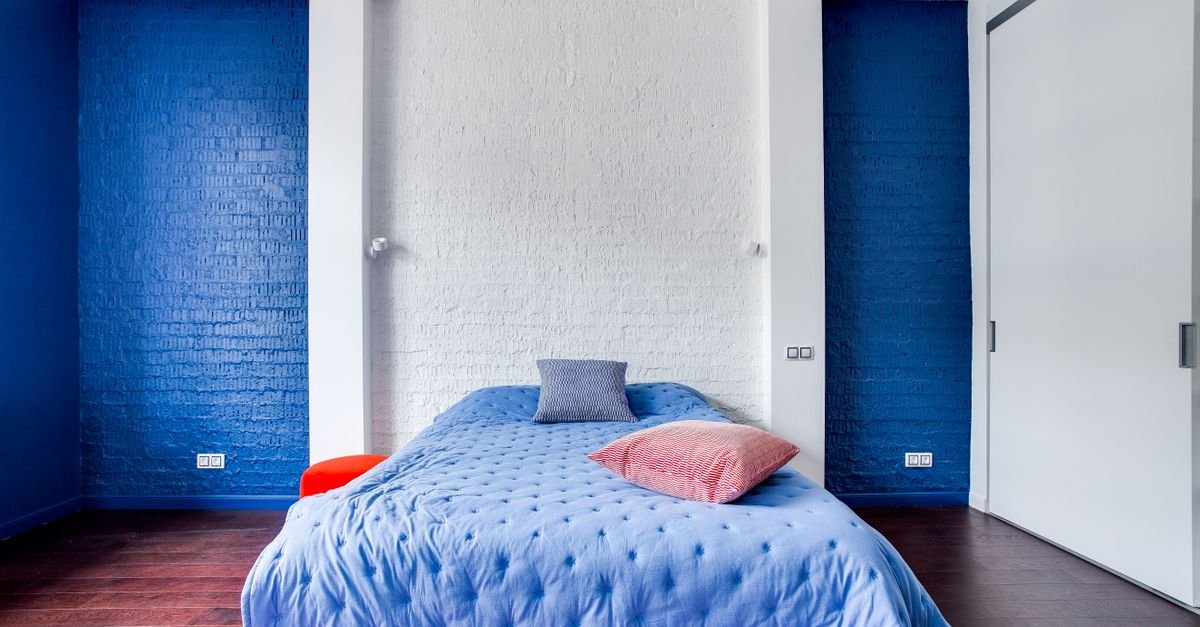
A foolproof approach is the classic balance: a dominant color for most of the room (walls and large areas), a secondary color for furniture and bedding, and an accent color for cushions, art, and small details. Keeping to a few coordinated colors — rather than many competing ones — is what makes a room feel calm and intentional. Start by choosing the mood you want (serene, cozy, fresh, dramatic), then pick colors that deliver it.
Restful Bedroom Color Palettes
1. Soft Neutrals (Warm Whites, Beiges, Greiges)
Neutrals are the most popular bedroom choice because they’re calming, timeless, and endlessly flexible. Warm whites, creams, and “greige” (grey-beige) create a soothing, airy backdrop you can layer texture and accent colors onto. They make a room feel light and serene, and they never go out of style — the safest, most restful foundation.
2. Calming Greens (Sage, Olive, Eucalyptus)
Soft greens connect a bedroom to nature and are deeply restful. Sage and muted greens pair beautifully with wood tones and neutrals for an organic, spa-like calm. Green is having a real moment in bedrooms precisely because it feels both fresh and soothing.
3. Gentle Blues
Blue is widely considered one of the most relaxing colors, associated with calm and rest — ideal for a bedroom. Soft, muted blues (rather than bright or icy ones) create a serene, peaceful mood. Pair with white and natural textures for a light, restful scheme, or deepen toward navy for cozier drama.
4. Warm Earth Tones (Terracotta, Clay, Warm Taupe)
Earthy, warm tones create a cozy, grounded, enveloping feel. Terracotta, clay, and warm browns add richness and comfort, especially paired with natural materials and soft lighting. This palette suits those who want a warm, hug-like bedroom rather than a cool, airy one.
5. Moody Dark Schemes (Charcoal, Deep Green, Navy)
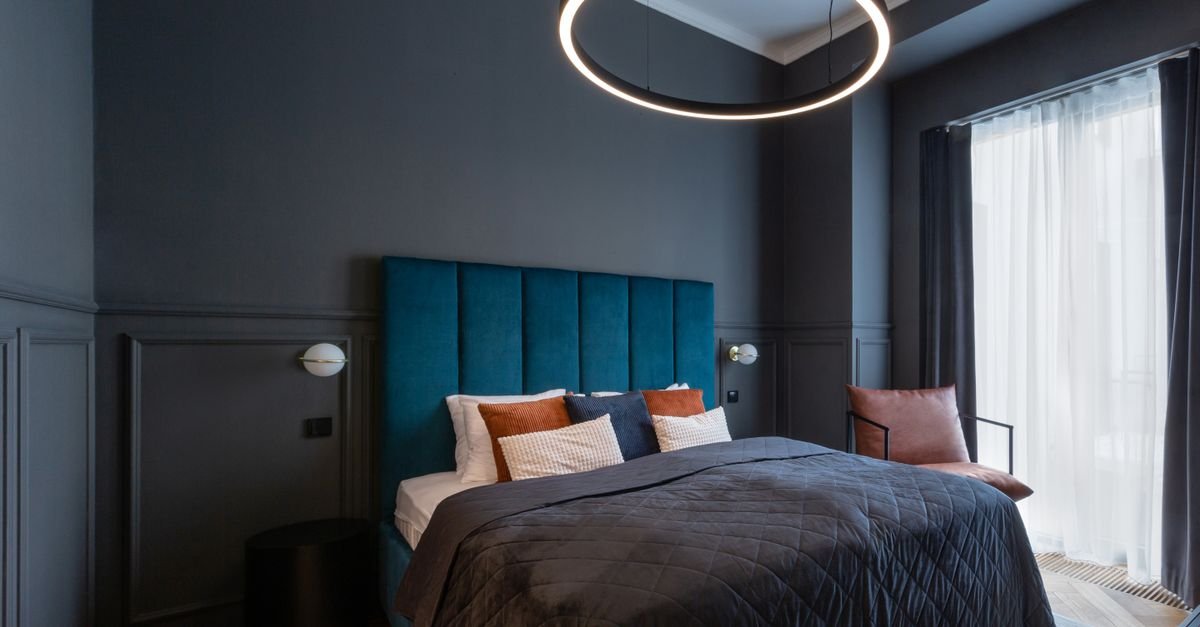
For a dramatic, cocoon-like bedroom, deep dark colors create intimacy and a luxurious mood. Used on walls (or just a feature wall) with warm lighting and rich textures, dark schemes feel cozy and sophisticated. They work best in rooms with reasonable size or good light, since dark colors absorb light and can shrink a small space.
Using Color to Change How a Room Feels
Color is a tool for shaping space, not just decoration. To make a small bedroom feel bigger and brighter, use light colors (soft whites, pale neutrals, gentle blues/greens), which reflect light and open up the room. To make a large or sparse bedroom feel cozier, use deeper, warmer colors that draw the walls in and add intimacy. A feature/accent wall in a deeper shade adds depth and a focal point without committing the whole room to a bold color — a great middle path. And remember the ceiling: keeping it light makes a room feel taller.
Don’t Forget the Lighting
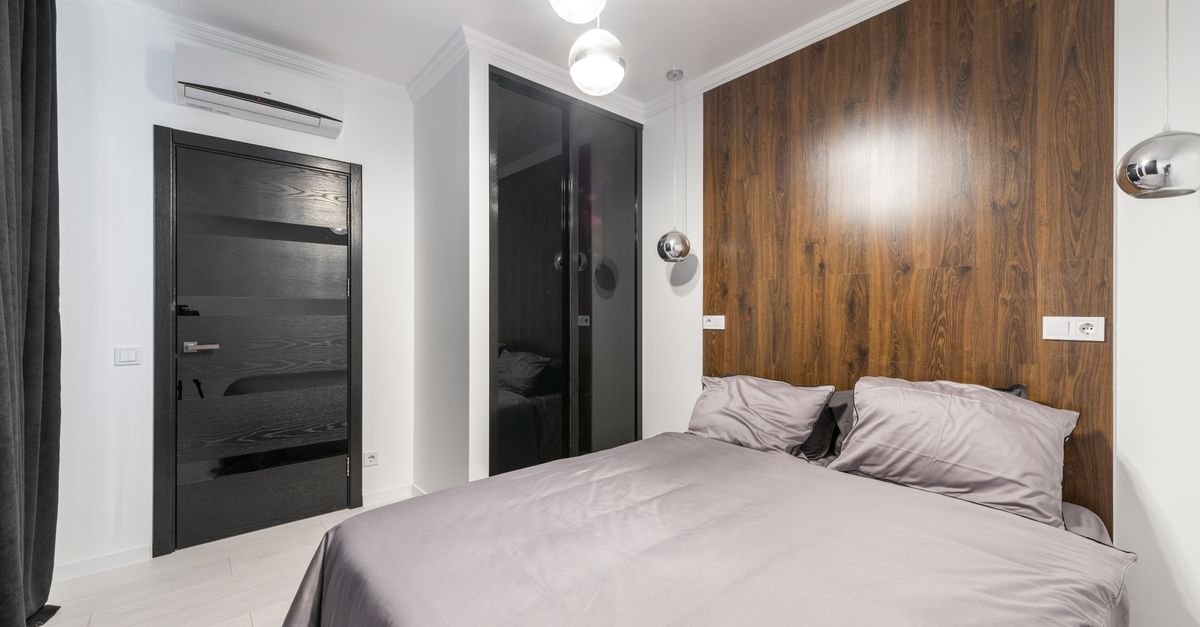
The same paint color looks completely different depending on light, so always test before committing. Natural light, warm bulbs, and cool bulbs each shift how a color reads. Paint a sample patch on your actual wall and observe it through the day and under your evening lighting before you buy gallons. North-facing rooms get cooler light (warmer colors often work better there), while bright rooms can handle cooler or bolder shades. This single step prevents the most common and costly color regret.
As an Amazon Associate, HomeNeeds24 earns from qualifying purchases.
Coordinating Bedding, Furniture & Accents
The walls are only part of the scheme. Coordinate your bedding, furniture, curtains, and accents so they relate to your palette. A common, easy approach: keep large pieces (walls, bed, large furniture) in your dominant and secondary colors, then bring the accent color in through cushions, throws, art, and a rug — items you can swap cheaply when you want a refresh. This keeps the room cohesive while letting you update the look over time without repainting.
Colors to Use Carefully
Some colors are better in small doses in a bedroom. Very bright, saturated, or energizing colors (vivid reds, bright oranges, intense yellows) can feel stimulating rather than restful — if you love them, use them as small accents rather than wall color. Likewise, very cold or stark schemes can feel unwelcoming. Aim for softer, muted versions of the colors you love, which keep the personality while preserving the calm a bedroom needs.
Frequently Asked Questions
What is the most relaxing color for a bedroom?
Soft blues, calming greens (like sage), and warm neutrals are widely considered the most restful, because they soothe rather than stimulate — ideal for winding down and sleeping.
What colors make a bedroom look bigger?
Light, soft colors — warm whites, pale neutrals, and gentle blues or greens — reflect light and make a room feel larger and brighter. Keeping the ceiling light helps too.
How do I choose a bedroom color scheme?
Decide the mood you want, then pick a dominant color, a secondary color, and an accent. Keep to a few coordinated colors, and always test paint samples on the wall in your room’s light before committing.
Can I use dark colors in a bedroom?
Yes — deep colors like charcoal, navy, or dark green create a cozy, dramatic, cocoon-like feel. They work best with warm lighting and in rooms with enough size or light, or used on a single feature wall.
Key Takeaways
- Color sets the bedroom’s mood — choose restful tones for better relaxation and sleep.
- Build a scheme with a dominant, secondary, and accent color; keep it to a few coordinated shades.
- Restful palettes: soft neutrals, calming greens, gentle blues, warm earth tones, or moody darks.
- Use light colors to enlarge a room and deep colors to make it cozier; a feature wall is a great middle path.
- Always test paint in your room’s light, and carry the palette through bedding, furniture, and swappable accents.
The right color scheme turns a bedroom into a restful retreat. Choose soothing tones, balance your palette, test before you paint, and coordinate your accents — and your bedroom will both look beautiful and help you rest. For more ideas, visit our home guides and the full Bedroom & Bedding collection.

I'm Nasir Uddin Khan, founder of HomeNeeds24 and a senior IT consultant with 18+ years' experience in Oracle database administration, enterprise infrastructure and ERP system design. I write the buying guides here and I build every calculator on the site myself, from published engineering standards rather than opinion. My research is structured rather than lab-based: manufacturer specifications, safety and efficiency standards, and the trade-offs that repeat across large volumes of verified customer reviews. Where I have direct hands-on experience — smart home, networking, energy and anything computer-adjacent — I say so in the guide.