
Tile is the workhorse of any bathroom — it has to handle water, resist stains, take daily wear, and still look good for years. But it’s also the single biggest driver of how your bathroom feels, from a bright modern space to a warm spa-like retreat. With so many materials, shapes, colors, and layouts available, choosing bathroom tile can feel overwhelming. This guide breaks down the designs, materials, and decisions so you can choose tile that’s both beautiful and practical.
Also Read



Why Tile Choice Matters So Much
In a bathroom, tile does double duty: it protects surfaces from constant moisture and it sets the entire visual tone. The right tile makes a small bathroom feel bigger, adds personality, and stands up to years of use. The wrong tile can make the room feel dated, cramped, or high-maintenance. Because re-tiling is disruptive and not something you do often, it’s worth choosing thoughtfully the first time.
Bathroom Tile Materials
Ceramic & Porcelain
The most popular choice for good reason. Ceramic and porcelain are durable, water-resistant, easy to clean, and come in a huge range of styles — including convincing wood-look and stone-look options. Porcelain is denser and tougher than standard ceramic, making it excellent for floors and wet areas. For most bathrooms, these tiles offer the best balance of price, performance, and choice.
Natural Stone
Marble, travertine, slate, and granite bring genuine, luxurious character that manufactured tiles can’t fully replicate. The trade-off is maintenance: natural stone is porous and usually needs sealing to resist water and stains, and it can be pricier. Choose stone if you love the high-end look and don’t mind a little upkeep.
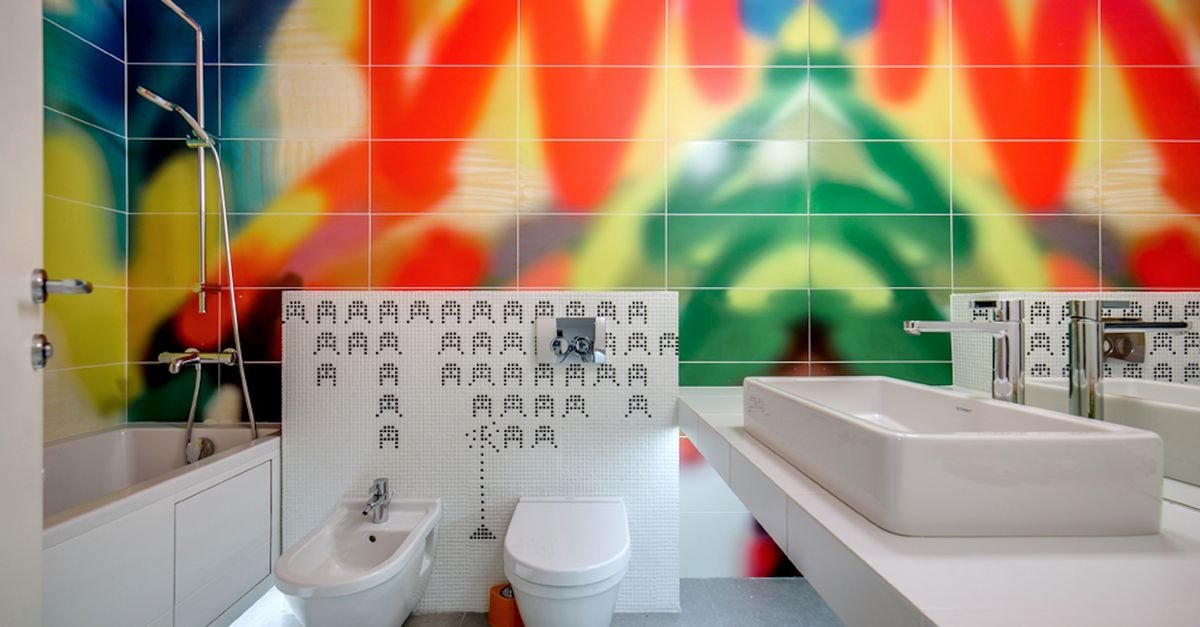
Glass & Mosaic
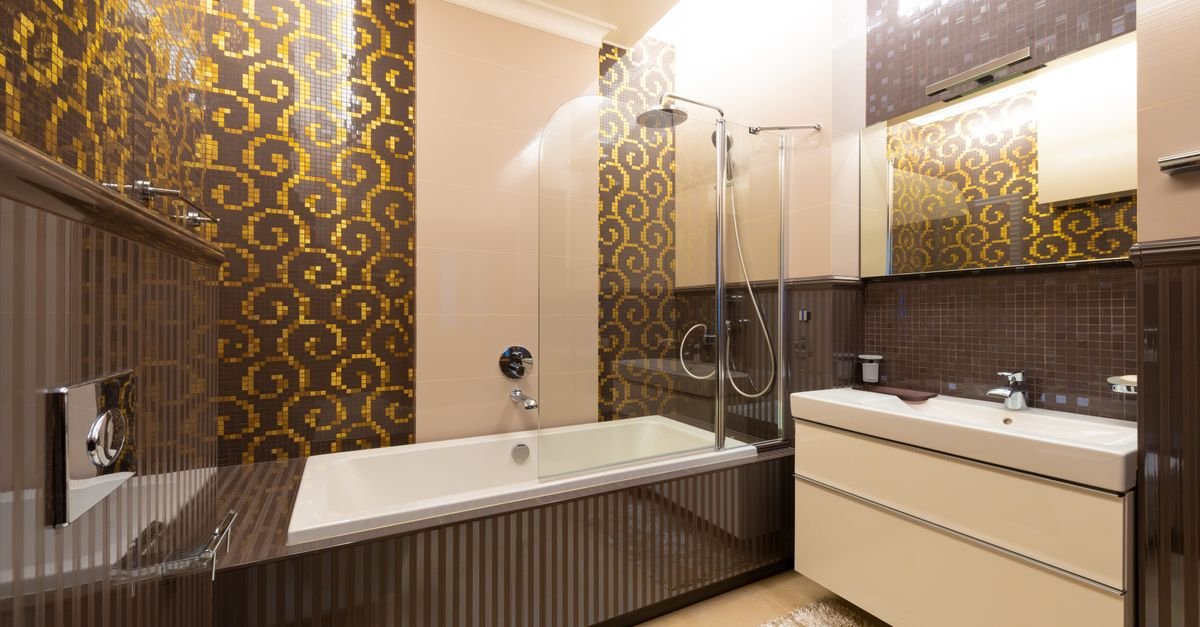
Glass tiles and small mosaics add shine, color, and a decorative touch — perfect for feature walls, niches, and accent strips. They reflect light beautifully, which helps brighten a space. They’re often used as an accent rather than across an entire room because of cost and the number of grout lines.
Popular Bathroom Tile Designs & Layouts
Subway Tile
The classic rectangular subway tile remains a favorite because it’s timeless, affordable, and versatile. Laid in the traditional brick (offset) pattern it reads classic; stacked vertically or horizontally it looks modern; in a herringbone layout it feels upscale. A simple white subway tile suits almost any style, while colored or handmade-look versions add character.
Large-Format Tiles
Big tiles have surged in popularity because they create fewer grout lines, giving a clean, seamless, contemporary look — and less grout means easier cleaning. Large-format tiles can make a small bathroom feel larger and more open, which is why they’re a go-to for modern designs.
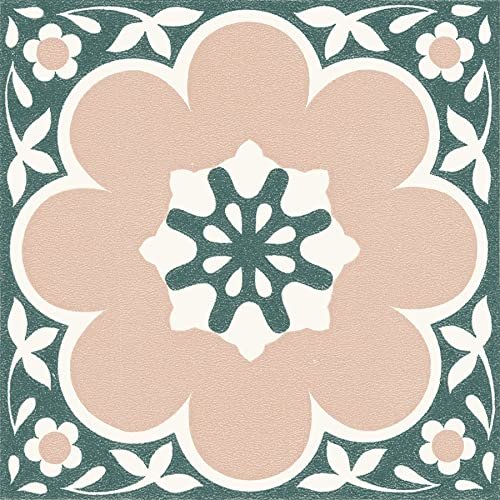
Patterned & Encaustic-Look Tiles
Bold patterned tiles — geometric, Moroccan, or vintage encaustic looks — make a statement, especially on the floor or a feature wall. They add personality and work beautifully as a focal point against simpler tiles elsewhere. Use them deliberately so the room doesn’t feel busy.
Wood-Look & Stone-Look Tiles
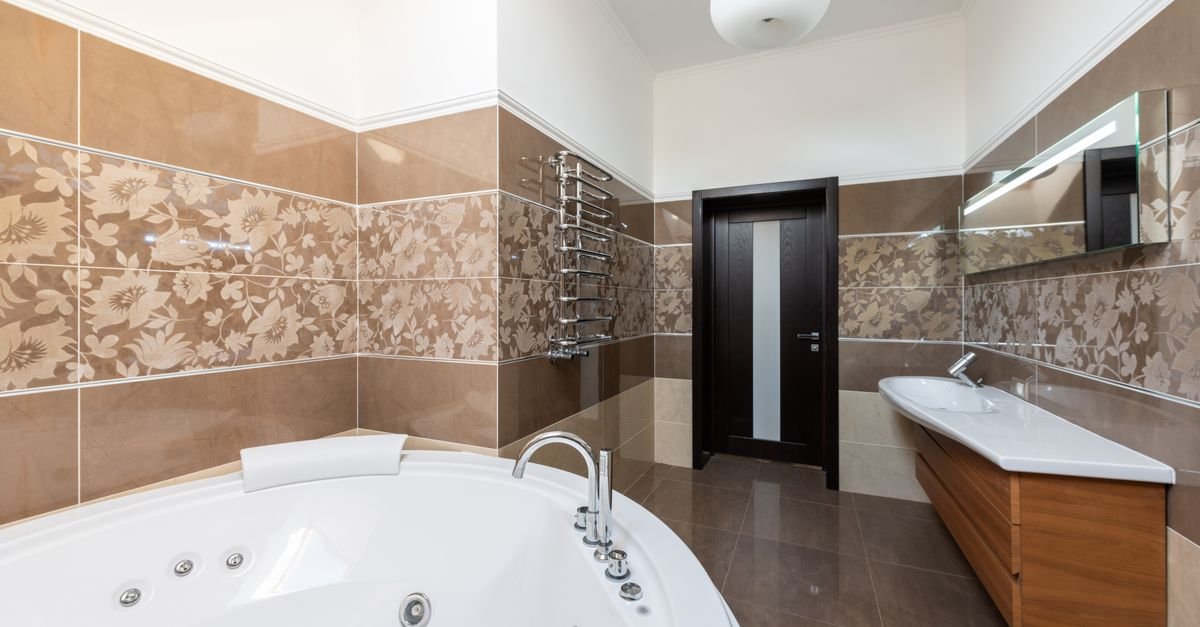
For the warmth of wood or the elegance of stone without the maintenance, wood-look and stone-look porcelain tiles are excellent. They bring natural texture and a cozy or luxurious feel while remaining fully water-resistant and low-maintenance — the best of both worlds for a bathroom.
Herringbone & Chevron Layouts
It’s not just the tile but how you lay it. Herringbone and chevron patterns add movement and a designer touch to even simple rectangular tiles, instantly elevating a wall or floor. The layout you choose can transform an ordinary tile into something special.
As an Amazon Associate, HomeNeeds24 earns from qualifying purchases.
Choosing Tile Color & Making a Small Bathroom Feel Bigger
Color hugely affects how a bathroom feels. Light tiles (white, cream, soft grey, pale blue) reflect light and make a small bathroom feel more open and airy — the safest choice for tight spaces. Darker tiles (charcoal, navy, deep green) create drama and a cozy, spa-like mood but can shrink a small room, so use them on a feature wall or in a larger bathroom. To enlarge a small bathroom with tile: use light colors, larger tiles (fewer grout lines), and run the same tile up the wall and across the floor for a seamless, continuous look. Glossy tiles also bounce light to brighten the space.
Don’t Overlook Grout
Grout is easy to forget but it shapes the final look and the maintenance. Matching grout to the tile creates a seamless, calm effect; contrasting grout (like dark grout with white tile) highlights the pattern and adds a modern, graphic look. Lighter grout shows dirt more, so in heavy-use areas a slightly darker or stain-resistant grout stays looking clean longer. Sealing grout helps it resist moisture and staining.
Where to Use Which Tile
Different areas have different demands. Floors need slip-resistant, durable tile (porcelain or textured stone) — avoid very glossy tiles that get slippery when wet. Shower walls and wet areas need fully water-resistant tile and well-sealed grout. Feature walls are where you can splurge on patterned, mosaic, or statement tiles. Matching the tile to the area keeps the bathroom safe, durable, and good-looking.
Frequently Asked Questions
What is the best tile for a bathroom?
Porcelain is the best all-rounder — durable, water-resistant, low-maintenance, and available in many styles including wood- and stone-look. Ceramic is a great budget option, while natural stone offers luxury with more upkeep.
What tile makes a small bathroom look bigger?
Light-colored, larger-format, glossy tiles with minimal grout lines — and running the same tile across the floor and up the walls for a seamless look — make a small bathroom feel more open.
Should bathroom floor and wall tiles match?
They can, for a seamless spacious look, or you can contrast them — e.g., a patterned floor with plain walls, or a feature wall against simple flooring. Both work; just keep the overall palette cohesive.
What’s the most popular bathroom tile design?
Subway tile remains the most popular for its timeless, affordable versatility, followed by large-format tiles and wood-look porcelain. The layout (offset, herringbone, stacked) lets you tailor the look.
Key Takeaways
- Porcelain and ceramic are the best all-round bathroom tiles; natural stone adds luxury with more upkeep.
- Popular designs: subway, large-format, patterned, wood/stone-look, and herringbone layouts.
- Light, large, glossy tiles make small bathrooms feel bigger; dark tiles suit feature walls or larger rooms.
- Grout choice and sealing matter for both look and maintenance.
- Match tile to the area — slip-resistant floors, water-resistant wet areas, statement feature walls.
The right bathroom tile balances beauty and practicality — it should look stunning and survive years of moisture and use. Choose your material, design, and color around your space and lifestyle, and your bathroom will feel right for years. For more ideas, browse our home guides and the full Bathroom collection.

I'm Nasir Uddin Khan, founder of HomeNeeds24 and a senior IT consultant with 18+ years' experience in Oracle database administration, enterprise infrastructure and ERP system design. I write the buying guides here and I build every calculator on the site myself, from published engineering standards rather than opinion. My research is structured rather than lab-based: manufacturer specifications, safety and efficiency standards, and the trade-offs that repeat across large volumes of verified customer reviews. Where I have direct hands-on experience — smart home, networking, energy and anything computer-adjacent — I say so in the guide.