
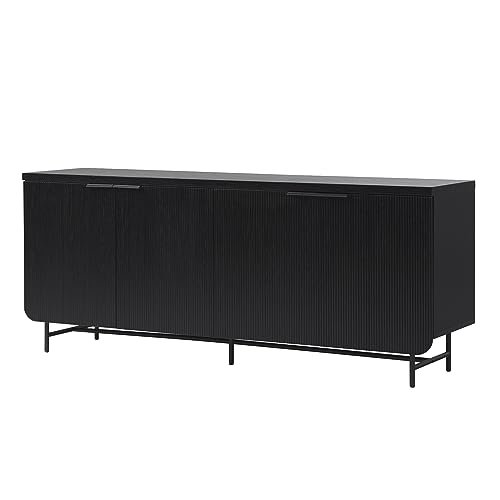
Scandinavian design has stayed beloved for decades because it gets something right: it makes a home feel calm, bright, functional, and warm all at once. Born in the Nordic countries, where long dark winters made light and comfort essential, the style blends clean minimalism with cozy livability. Scandinavian furniture is the foundation of that look. This guide covers what defines it, the key pieces, and how to bring the style into your home.
Also Read


What Defines Scandinavian Furniture
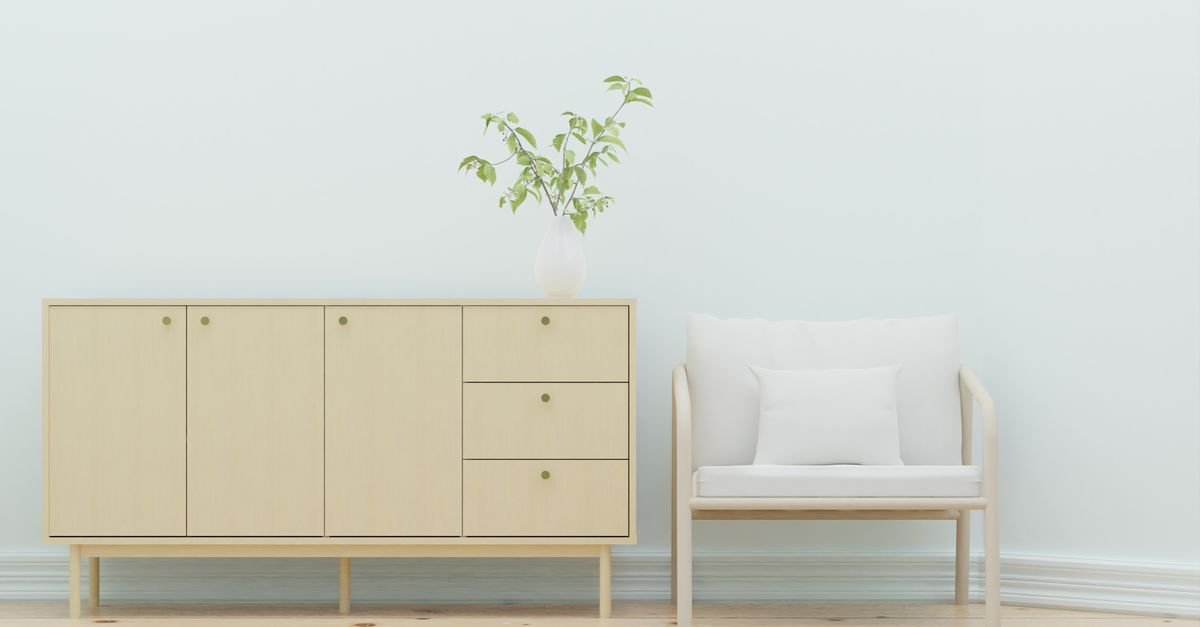
Scandinavian design is built on a few core principles: simplicity and clean lines (uncluttered, functional forms), light, natural materials (especially pale woods like oak, ash, and beech), a bright, neutral palette (whites, soft greys, muted tones), function-first design (beautiful but genuinely practical), and cozy warmth — the famous hygge — through soft textures and inviting touches. The result is furniture that feels light and airy yet warm and human, never cold or stark.
Key Scandinavian Furniture Pieces
- Light-wood dining tables & chairs — pale oak or ash with simple, often tapered legs is the quintessential Scandi look.
- Streamlined sofas — clean-lined, comfortable, often in neutral fabric with wooden legs.
- Functional storage — simple shelving, sideboards, and cabinets that keep clutter hidden (essential to the minimalist look).
- Iconic accent chairs — sculptural, comfortable chairs that double as design statements.
- Minimalist bed frames — low, simple wooden frames for a calm bedroom.
- Natural-material accents — rattan, wool, linen, and leather pieces that add texture and warmth.
Materials & Colors
Light woods are the heart of the style — oak, ash, beech, and pine bring warmth and a natural, organic feel. The palette stays light and calm: whites and soft greys dominate, with muted, nature-inspired accent colors (sage, dusty blue, soft terracotta) used sparingly. Textiles are key for warmth — wool throws, linen, sheepskin, and chunky knits add the cozy layer that stops minimalism from feeling cold. Mixing light wood, soft neutrals, and tactile textiles is the essence of the look.

How to Get the Scandinavian Look
You don’t need to buy everything new. To bring the style into a room:
- Declutter — minimalism is foundational; clear surfaces and hidden storage matter.
- Lighten the palette — whites and soft neutrals on walls and large pieces.
- Add light wood — a pale wood table, shelf, or chair instantly signals the style.
- Layer cozy textures — a wool throw, a sheepskin, linen cushions for warmth.
- Maximize light — keep windows uncluttered; use warm, layered lighting for dark hours.
- Add greenery — a few plants bring life against the neutral backdrop.
Even a few of these changes shift a room toward that bright, calm, cozy Scandi feel.
As an Amazon Associate, HomeNeeds24 earns from qualifying purchases.
Why Scandinavian Design Works So Well
Part of the style’s enduring appeal is how livable it is. The minimalism keeps homes calm and easy to maintain; the light palette makes spaces feel bigger and brighter (great for small homes); the function-first approach means everything earns its place; and the cozy textures make it genuinely comfortable, not sterile. It’s also flexible — it blends beautifully with other styles and adapts to almost any room. That balance of calm, bright, practical, and warm is exactly what makes a home feel good to live in.
Scandinavian on a Budget
You can achieve the look affordably. Focus on the high-impact, low-cost moves first: declutter (free), paint walls light (cheap), add a pale-wood accent piece, and layer in a couple of cozy textiles. Mix a few quality anchor pieces with budget accents. Because the style values simplicity and function over expensive ornamentation, it’s actually one of the more budget-friendly aesthetics to recreate — the calm, airy feel comes more from restraint and light than from spending.

Frequently Asked Questions
What is Scandinavian furniture?
Furniture defined by clean lines, light natural woods (oak, ash, beech), a bright neutral palette, function-first design, and cozy textures — creating a calm, airy, yet warm and livable look.
What colors are used in Scandinavian design?
A light, calm palette — whites and soft greys dominate, with muted nature-inspired accents (sage, dusty blue, soft terracotta) used sparingly, plus warm wood tones.
How do I make my home look Scandinavian?
Declutter, lighten the palette, add light-wood pieces, layer cozy textures (wool, linen, sheepskin), maximize natural light, and add a little greenery. Even a few of these shift the feel.
Is Scandinavian design expensive?
Not necessarily — its value on simplicity and function makes it budget-friendly to recreate. Decluttering, light paint, a pale-wood accent, and cozy textiles deliver the look affordably.
Key Takeaways
- Scandinavian design = clean lines, light wood, bright neutral palette, function, and cozy warmth.
- Key pieces: light-wood tables/chairs, streamlined sofas, simple storage, accent chairs, low bed frames.
- Layer textiles (wool, linen, sheepskin) so minimalism feels warm, not cold.
- Declutter, lighten, add light wood, maximize light, and add greenery to get the look.
- It’s livable, makes spaces feel bigger, and is budget-friendly to recreate.
Scandinavian design endures because it makes a home feel calm, bright, and genuinely comfortable. Embrace light wood, a neutral palette, simplicity, and cozy textures, and any room gains that effortless Scandi warmth. For more ideas, visit our home decor guides and the full Furniture collection.

I'm Nasir Uddin Khan, founder of HomeNeeds24 and a senior IT consultant with 18+ years' experience in Oracle database administration, enterprise infrastructure and ERP system design. I write the buying guides here and I build every calculator on the site myself, from published engineering standards rather than opinion. My research is structured rather than lab-based: manufacturer specifications, safety and efficiency standards, and the trade-offs that repeat across large volumes of verified customer reviews. Where I have direct hands-on experience — smart home, networking, energy and anything computer-adjacent — I say so in the guide.