
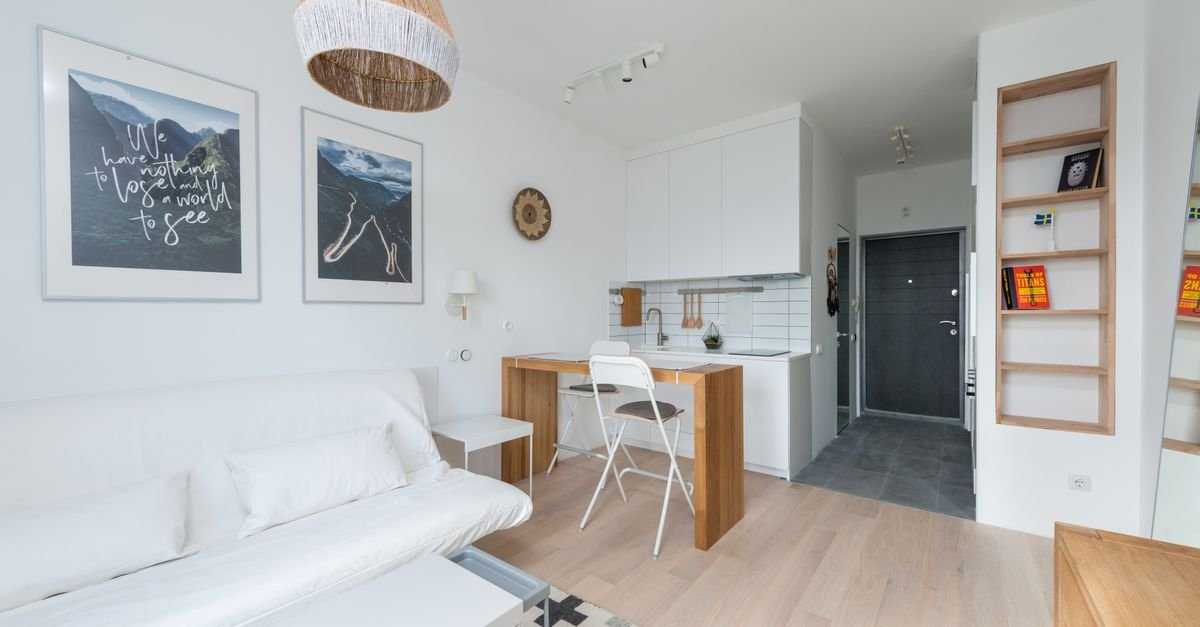
To make a small living room feel bigger, use light colors, choose appropriately scaled and multifunctional furniture, add mirrors, maximize vertical space, and keep clutter to a minimum. The trick isn’t having more space — it’s using what you have cleverly. With smart furniture choices, good lighting, and a few visual tricks, even the tiniest living room can feel open, stylish, and comfortable.
Also Read

Small living rooms come with real challenges, but they can be just as inviting and functional as large ones — sometimes cozier. The key is working with your space rather than against it. These designer-approved small living room ideas will help you maximize every inch and create a room that feels bigger, brighter, and beautifully put-together.
Use Light, Airy Colors
Color has a huge impact on how big a room feels. Light, neutral shades — soft whites, creams, pale grays, and gentle warm tones — reflect light and make walls recede, instantly opening up a small space. Painting walls, ceiling, and trim in similar light tones blurs the boundaries and makes the room feel larger. You can still add personality with colorful cushions, art, and accessories, but keeping the main palette light and airy is one of the simplest, most effective ways to make a small living room feel more spacious.
Choose the Right Furniture Scale
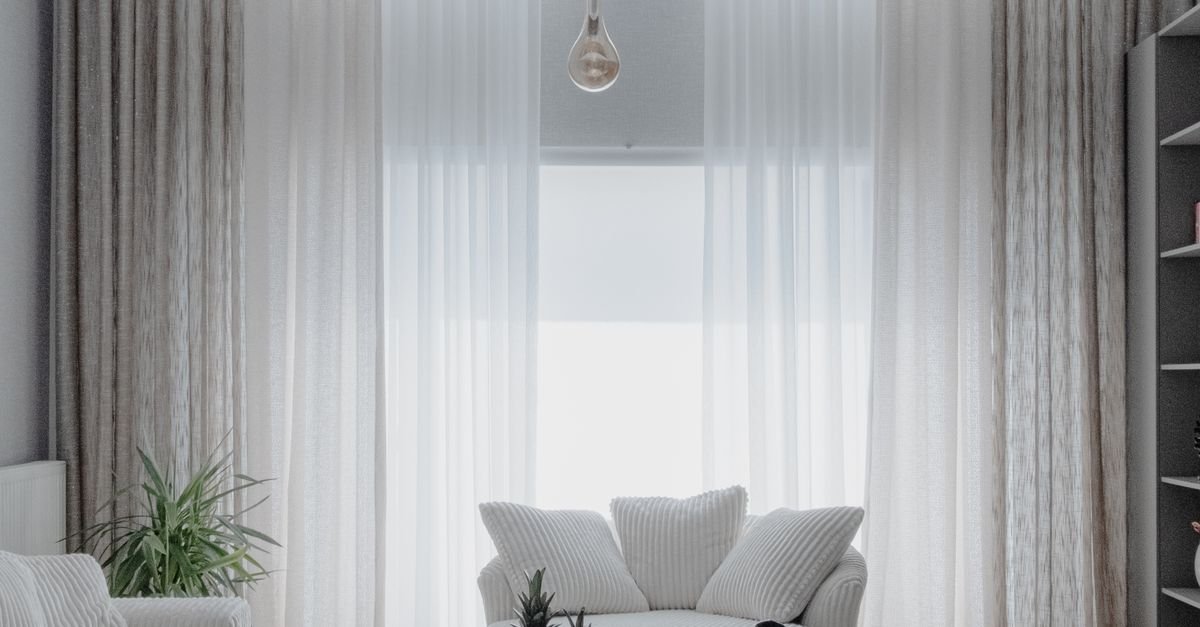
Oversized furniture overwhelms a small room, while pieces that are too small look lost. The goal is furniture scaled to fit your space — a compact sofa, slim-armed chairs, and a appropriately sized coffee table. Look for pieces with exposed legs, which create a sense of openness by letting light flow underneath. Avoid bulky, boxy furniture that sits heavily on the floor. Choosing the right scale and style of furniture is perhaps the single most important factor in making a small living room feel comfortable rather than cramped.
Pick Multifunctional Furniture
In a small space, every piece should earn its place — ideally by doing more than one job. A storage ottoman offers seating, a footrest, and hidden storage. A nesting coffee table can expand when needed. A sofa bed adds a guest bed without a spare room. Look for furniture with built-in storage to reduce clutter. Multifunctional, space-saving pieces let you get everything you need from a small room without overcrowding it. A clever storage ottoman is a small-space hero worth investing in.
Add Mirrors to Expand the Space
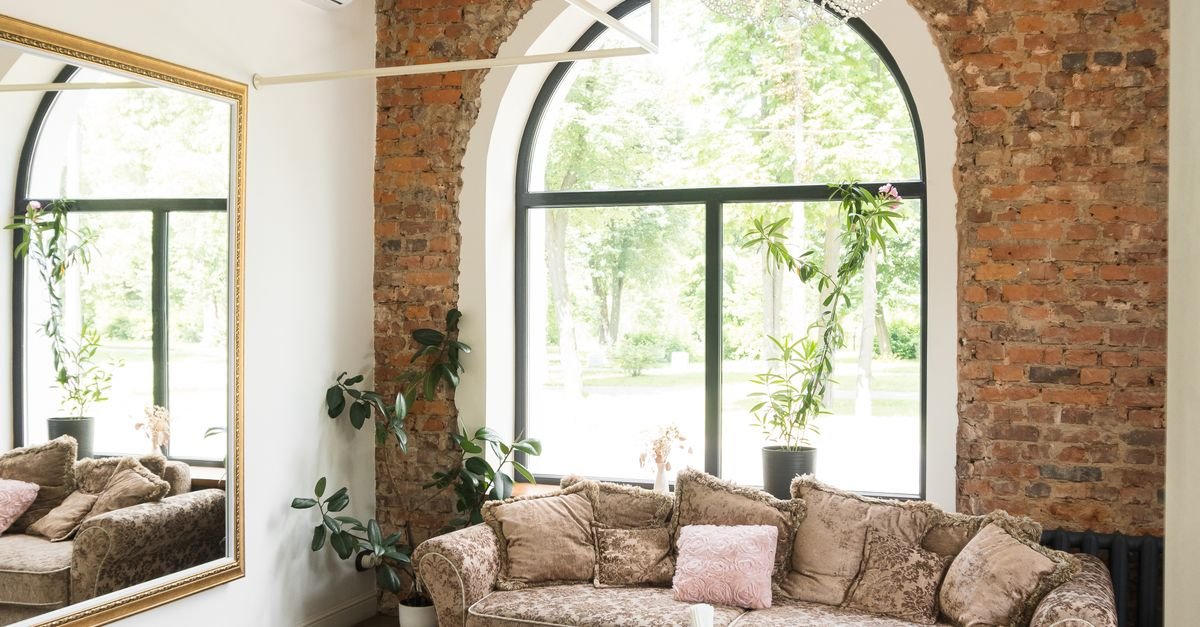
Mirrors are a small room’s best friend. A large mirror reflects light and creates the illusion of depth, instantly making a space feel bigger and brighter. Place one opposite a window to bounce natural light around the room, or lean a tall floor mirror against a wall for a stylish, space-expanding effect. Mirrored or glass furniture works similarly. This simple, affordable trick has been used by designers forever because it genuinely works — a well-placed floor mirror can transform how open a small living room feels.
Maximize Vertical Space
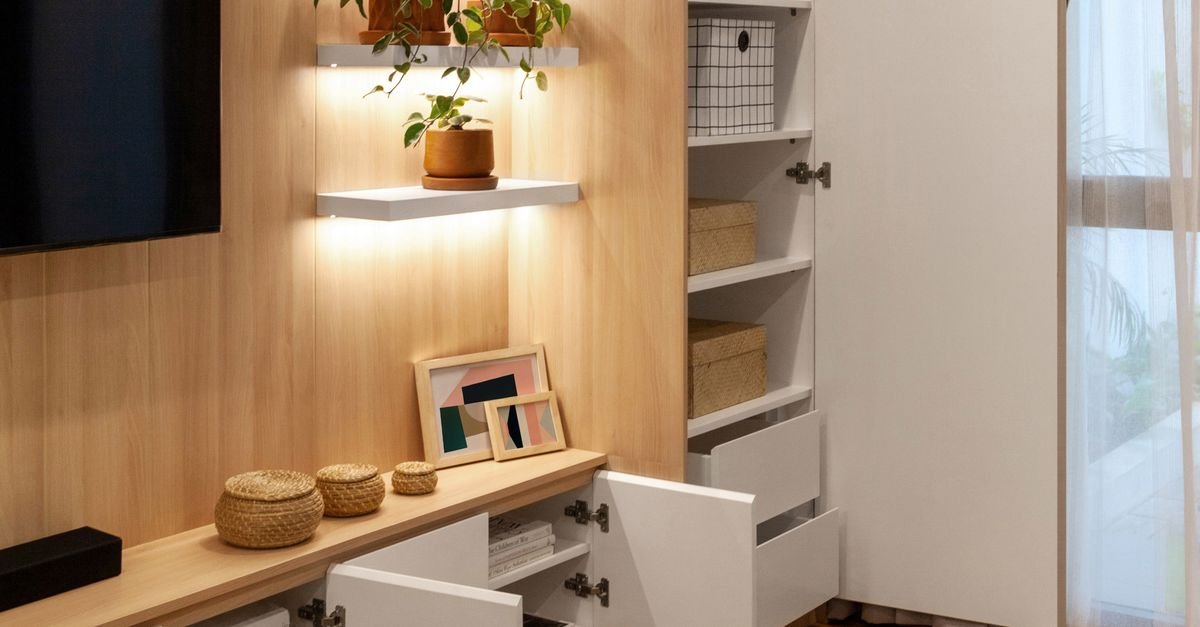
When floor space is limited, think upward. Tall bookshelves, wall-mounted shelves, and high storage draw the eye up and make the most of otherwise wasted wall space. Hanging curtains high and wide makes ceilings feel taller and windows bigger. Floating shelves provide storage and display space without taking up the floor. Using your vertical space cleverly adds function and a sense of height to a small room. A set of floating shelves is a great way to add storage and style without crowding the floor.
Keep Clutter Under Control
Nothing makes a small room feel smaller than clutter. With limited space, staying organized and editing your belongings is essential. Use hidden storage, keep surfaces relatively clear, and be selective about decor — a few well-chosen pieces look better than many competing ones. Regular decluttering keeps the room feeling open and calm. In a small living room, restraint is your friend: the more streamlined and tidy the space, the bigger and more relaxing it feels. Smart storage solutions make staying clutter-free much easier.
Use Rugs to Define the Space
A well-chosen rug grounds a small living room and defines the seating area, making the space feel intentional and put-together. Counterintuitively, a rug that’s too small makes a room feel smaller — choose one large enough for at least the front legs of your furniture to sit on. A light or subtly patterned rug adds warmth and texture without overwhelming. Defining your main zone with the right rug brings cohesion to a small space and makes it feel like a proper, considered room rather than a cramped afterthought.
Let in Natural Light
Natural light makes any room feel bigger and more welcoming, so maximize it. Keep windows unobstructed, choose light, sheer window treatments that let sunlight through, and avoid heavy drapes that block light. Clean windows and reflective surfaces help too. If natural light is limited, layer in plenty of warm artificial lighting to keep the room bright. A bright, light-filled living room feels open and airy, while a dim one feels closed-in — so making the most of every bit of light is key in a small space.
Float Furniture and Keep Pathways Clear
It’s tempting to push all your furniture against the walls in a small room, but a little breathing space around pieces can actually make the room feel larger and more deliberate. More importantly, keep clear pathways so the room is easy to move through — a cramped, hard-to-navigate space feels smaller and more stressful. Arrange furniture to create an easy flow, and don’t overcrowd. Thoughtful furniture placement that prioritizes movement and openness makes a small living room far more comfortable and functional.
Add Greenery and Personal Touches
Small rooms still deserve personality. A few plants bring life, color, and freshness without taking much space — try a tall plant in a corner or trailing greenery on a shelf. Add character with art, cushions, and meaningful objects, but keep it curated rather than crowded. The aim is a space that feels personal and warm yet still open. Thoughtful touches of greenery and decor make a small living room feel inviting and lived-in, proving that limited space doesn’t mean limited style.
Common Small Living Room Mistakes
A few mistakes make small rooms feel even smaller. Using dark, heavy colors on the walls closes the space in. Choosing oversized or too much furniture overwhelms it. Letting clutter build up shrinks the room visually. Blocking windows and natural light makes it feel dim and cramped. And using a too-small rug throws off the proportions. Avoid these, lean into light colors, smart-scaled furniture, mirrors, and tidy surfaces, and your small living room will feel open, bright, and beautifully functional.
Choose a Sofa That Fits
The sofa is usually the biggest piece in a living room, so choosing the right one for a small space is crucial. Look for a compact sofa or loveseat with a slim profile and raised legs, which keeps the room feeling open and airy. Light upholstery blends into the walls and feels less bulky than dark, heavy fabric. Apartment-sized sofas and armless designs are made for smaller rooms. Getting the sofa right — properly scaled, light, and lifted off the floor — does more than almost anything else to make a small living room feel comfortable rather than crowded.
Use Smaller-Scale Patterns and Decor
In a small room, scale matters for decor too. Large, busy prints can overwhelm the space, so opt for smaller-scale patterns — thin stripes, subtle textures, or delicate motifs — on cushions, curtains, and accents. Keep decorative objects fewer and more intentional rather than scattering lots of small trinkets that read as clutter. A few well-chosen pieces in a cohesive style look far more elegant and spacious than a crowded mix. Thoughtful, appropriately scaled decor lets your small living room feel curated and calm rather than cramped and chaotic.
Layer Your Lighting
Good lighting makes a small room feel bigger and more inviting. Rather than relying on a single overhead light, layer several sources — a floor lamp, a table lamp, and perhaps some wall lighting — to create depth and eliminate dark corners that make a space feel smaller. Warm-toned bulbs keep the room cozy. Wall-mounted and slim lighting saves precious floor and surface space. Well-layered lighting brightens the room, adds dimension, and creates a welcoming atmosphere, making your compact living room feel both larger and more comfortable, day and night.
Keep a Cohesive, Streamlined Look
Visual cohesion makes a small space feel calm and intentional. Stick to a limited, harmonious color palette and a consistent style rather than mixing too many competing looks. Matching or complementary tones across walls, furniture, and textiles create a seamless flow that makes the room feel larger. Streamlined, simple furniture lines feel less cluttered than ornate, heavy pieces. A cohesive, edited look is the secret behind those small rooms that feel surprisingly spacious and stylish — it’s about harmony and restraint rather than filling every corner.
Related reading: Best Smart LED Light Strips 2026: Top Picks for Every Room · Best Weighted Blankets 2026: Top Picks for Better Sleep · Nursery Setup Guide: Design a Safe & Functional Baby Room
Key Takeaways
- Light, airy colors make a small living room feel bigger and brighter.
- Choose appropriately scaled, multifunctional furniture with exposed legs.
- Use mirrors and natural light to create depth and openness.
- Maximize vertical space and keep clutter under control.
- Define the space with a properly sized rug and keep pathways clear.
Frequently Asked Questions
How do I make my small living room look bigger?
Use light colors, appropriately scaled furniture, and mirrors to reflect light and create depth. Maximize natural light, use vertical storage, and keep the space tidy and clutter-free.
What color makes a small living room look bigger?
Light, neutral shades like soft white, cream, and pale gray reflect light and make walls recede, opening up the space. Keeping walls, trim, and ceiling in similar light tones works especially well.
What furniture is best for a small living room?
Compact, appropriately scaled pieces with exposed legs, plus multifunctional items like storage ottomans and nesting tables. Furniture with hidden storage helps reduce clutter in a small space.
Should I push furniture against the walls in a small room?
Not always — a little space around furniture can make the room feel larger and more intentional. Most importantly, keep clear, easy pathways so the room flows well.
Do mirrors really make a room look bigger?
Yes — a large mirror reflects light and creates the illusion of depth, making a small room feel bigger and brighter, especially when placed opposite a window.
With a few smart choices, even the smallest living room can feel open, stylish, and comfortable.

I'm Nasir Uddin Khan, founder of HomeNeeds24 and a senior IT consultant with 18+ years' experience in Oracle database administration, enterprise infrastructure and ERP system design. I write the buying guides here and I build every calculator on the site myself, from published engineering standards rather than opinion. My research is structured rather than lab-based: manufacturer specifications, safety and efficiency standards, and the trade-offs that repeat across large volumes of verified customer reviews. Where I have direct hands-on experience — smart home, networking, energy and anything computer-adjacent — I say so in the guide.