
Looking to save money on your energy bills while making your home more eco-friendly? Choosing the right appliances can make a huge difference.
Also Read

Imagine cutting down your electricity costs without sacrificing comfort or convenience. You’ll discover the best energy-efficient appliances that help you do just that. Whether you’re upgrading your kitchen or laundry room, these smart choices will keep your home running smoothly and your wallet happy.
Keep reading to find out which appliances offer the biggest savings and how they can improve your daily life.
Credit: www.rexmont.com
Benefits Of Energy-efficient Appliances
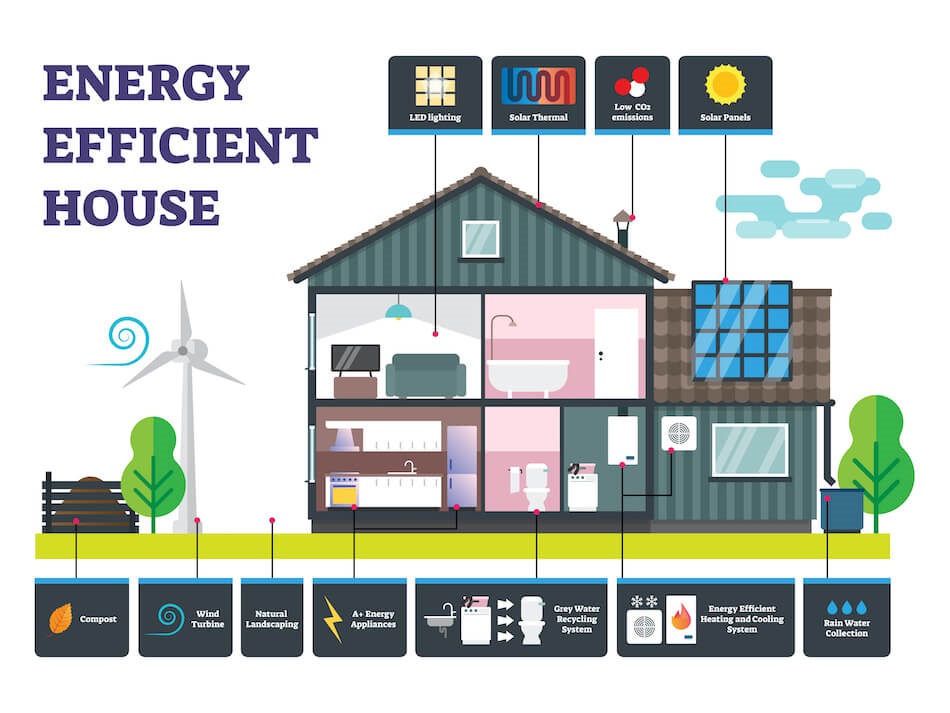
Energy-efficient appliances offer many advantages beyond just saving power. They help save money, protect the environment, and often work better than older models. Choosing these appliances can create a positive impact at home and on the planet.
Lower Utility Bills
Energy-efficient appliances use less electricity or gas. This means lower monthly utility bills. Saving energy reduces the cost of running your home appliances. Over time, this adds up to big savings. It helps keep more money in your pocket.
Reduced Environmental Impact
Using less energy means fewer greenhouse gases released. This helps reduce pollution and fights climate change. Energy-efficient appliances use resources wisely and waste less. Choosing these products supports a cleaner, healthier planet for everyone.
Improved Appliance Performance
Many energy-efficient appliances come with advanced technology. They often run quieter and last longer than older models. These appliances use energy smartly, giving good results with less waste. They can make everyday tasks easier and faster.

Credit: www.consumerreports.org
Top Energy-efficient Appliances
Energy-efficient appliances save electricity and reduce bills. They use less power but work well. Choosing the right appliances helps protect the environment. Here are some top energy-efficient appliances to consider for your home.
Refrigerators
Modern refrigerators use advanced technology to cut energy use. Look for models with the ENERGY STAR label. These fridges keep food fresh while using less electricity. Features like better insulation and efficient compressors make a big difference.
Washing Machines
Energy-efficient washing machines use less water and electricity. Front-loading models often use less energy than top loaders. They also clean clothes effectively with shorter wash cycles. This reduces both power and water waste.
Dishwashers
New dishwashers use less water and heat. Many have eco-modes that lower energy use. They clean dishes well while saving power. Choosing an energy-efficient dishwasher helps lower utility bills over time.
Air Conditioners
Energy-efficient air conditioners cool rooms with less electricity. Look for units with a high Seasonal Energy Efficiency Ratio (SEER). These use advanced compressors and fans to save power. Proper sizing and maintenance also improve efficiency.
Water Heaters
Energy-efficient water heaters use less fuel or electricity to heat water. Tankless models heat water on demand, avoiding standby losses. Heat pump water heaters use heat from the air to warm water efficiently. These options save energy and cut costs.
Energy Ratings And Labels
Energy ratings and labels help buyers pick appliances that use less power. They show how much energy an appliance uses. This helps save money and protect the environment. Understanding these labels makes choosing easy and smart.
What Energy Star Means
Energy Star is a label for energy-efficient products. Appliances with this label use less electricity than regular ones. They meet strict government standards for energy saving. Choosing Energy Star appliances lowers your power bills. It also reduces harmful emissions.
Reading Energy Labels
Energy labels show how much energy an appliance uses each year. They use a scale, often from A to G, or numbers. The best-rated appliances use the least energy and have higher ratings. Labels also show estimated yearly costs. This helps compare different models easily.
Comparing Appliance Efficiency
Compare appliances by checking their energy ratings and yearly use. Look for lower energy use and higher ratings. Also, check the size and features that match your needs. Small differences in energy use add up over time. Choosing efficient models saves money and energy in the long run.
Tips For Choosing Efficient Appliances
Choosing energy-efficient appliances helps save money and protect the environment. Picking the right ones can be simple with a few smart tips. Focus on what you really need, the size of the appliance, and the warranty and features it offers. These points help you buy appliances that fit your home and use less energy.
Assessing Your Needs
Think about how you use appliances daily. Choose items that match your lifestyle and habits. Avoid buying gadgets with functions you will not use. This saves energy and cuts costs. Small families do not need large capacity machines. Big homes might require more powerful appliances. Clear needs prevent wasteful spending and energy use.
Considering Appliance Size
Size affects energy consumption. Larger appliances often use more power. Pick a size that fits your space and usage. A small fridge for one or two people works well. Bigger households need bigger appliances for efficiency. Avoid oversized models that waste energy. Proper size supports both comfort and savings.
Checking Warranty And Features
Look for good warranties. They protect your investment and show product quality. Some features improve energy savings, like timers and eco modes. Check for Energy Star or similar labels. These guarantees better efficiency and reliability. Good features and warranties help you get more value.
Maintaining Appliances For Maximum Efficiency
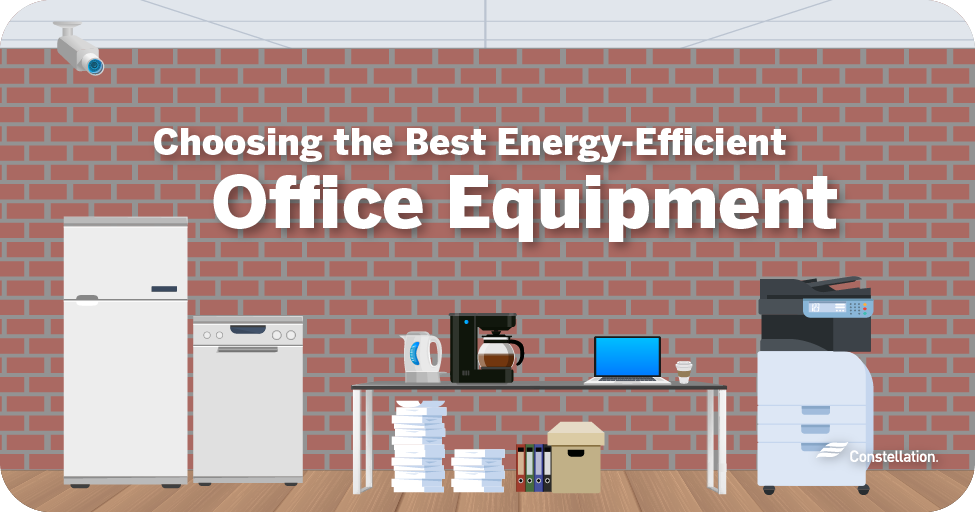
Keeping your appliances in good shape helps them use less energy. This saves money and helps the environment. Simple care steps can keep appliances running longer and better. Small actions make a big difference in efficiency.
Regular Cleaning
Dirt and dust reduce appliance performance. Clean filters, vents, and surfaces often. For example, clean refrigerator coils twice a year. Remove lint from dryer filters after each use. Clean appliances work faster and use less power.
Timely Repairs
Fix small problems early to avoid bigger issues. Strange noises or smells mean something is wrong. Replace broken parts quickly. Well-maintained appliances use energy more efficiently and last longer.
Proper Usage Habits
Use appliances as the manual says. Avoid overloading washing machines or dishwashers. Turn off devices when not in use. Use energy-saving settings if available. Smart use helps appliances perform better and saves energy.
Credit: blog.constellation.com
Financial Incentives And Rebates
Financial incentives and rebates make buying energy-efficient appliances easier. They reduce the upfront cost. This helps more people choose eco-friendly options. Saving money and energy at the same time.
Many programs offer cash back or discounts. These come from governments, utility companies, and manufacturers. Knowing about these offers can lead to big savings.
Government Programs
Governments often provide rebates for energy-efficient appliances. These programs aim to lower energy use nationwide. You can find local, state, or federal options. Each has specific rules and eligible appliances. Applying for these rebates can cut your costs significantly.
Utility Company Offers
Utility companies sometimes run rebate programs. They encourage customers to save energy. These offers may include discounts or cash back. Check with your electric or gas provider for deals. Many utility programs focus on appliances like refrigerators and washers.
Manufacturer Discounts
Some manufacturers give special discounts on efficient models. These deals can be seasonal or ongoing. They help make energy-saving products affordable. Look for sales or promotions when shopping. Combining these with other rebates increases your savings.
Frequently Asked Questions
What Are Energy-efficient Appliances?
Energy-efficient appliances use less electricity to perform the same tasks. They reduce energy bills and lower environmental impact. These appliances often have Energy Star labels, indicating high efficiency and cost savings over time.
How Do Energy-efficient Appliances Save Money?
They consume less power, lowering your monthly electricity bills. Over time, energy savings can offset higher upfront costs. Efficient appliances also reduce wear and tear, potentially lowering maintenance expenses.
Which Appliances Are Most Energy-efficient?
Refrigerators, washing machines, dishwashers, and LED lighting rank high in efficiency. Newer models with Energy Star certification offer the best savings. Choosing smart appliances can further enhance energy management at home.
Are Energy-efficient Appliances Worth The Investment?
Yes, they reduce long-term energy costs and environmental footprint. Initial costs may be higher, but savings accumulate over years. Energy-efficient models often come with better features and warranties.
Conclusion
Choosing energy-efficient appliances saves money and helps the planet. These devices use less power but work just as well. You reduce your electricity bills and lower your carbon footprint. Small changes lead to big results over time. Think about the long-term benefits for your home and family.
Start with one appliance and see the difference. Energy efficiency is a smart, simple step anyone can take. It’s good for your budget and the environment too. Better choices today create a cleaner, brighter tomorrow.