
Are you tired of high energy bills and uncomfortable rooms in your home? Energy-efficient home upgrades can change that.
Also Read
Imagine saving money every month while making your living space cozier and better for the environment. You’ll discover simple and effective ways to boost your home’s energy efficiency. Ready to take control of your energy use and enjoy a more comfortable home?
Keep reading to find out how easy and rewarding these upgrades can be.

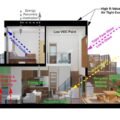
Credit: gharpedia.com
Benefits Of Energy Efficiency
Energy efficiency upgrades bring many benefits to your home and lifestyle. These improvements save money, increase comfort, and help protect the environment. Small changes can make a big difference over time.
Understanding these benefits helps you see why energy efficiency matters. It is not just about saving energy; it is about creating a better living space for you and your family.
Lower Utility Bills
Energy-efficient homes use less electricity and gas. This reduces your monthly utility bills. Appliances, lighting, and heating systems that use less energy cut costs. Over time, these savings add up significantly.
Lower bills mean more money stays in your pocket. You can spend it on other needs or save for the future. Energy efficiency makes your home cheaper to run every day.
Enhanced Home Comfort
Energy efficiency improves your home’s comfort. Proper insulation and sealed windows keep the temperature steady. You stay warmer in winter and cooler in summer. This reduces drafts and cold spots inside your house.
Better comfort means less need to adjust thermostats constantly. Your home feels cozy and pleasant all year round. This creates a healthier and happier living space.
Environmental Impact
Using less energy reduces your carbon footprint. This helps lower greenhouse gas emissions. Energy-efficient homes contribute to cleaner air and less pollution. Protecting the environment benefits everyone, including future generations.
Saving energy also means less demand for fossil fuels. This reduces harm to nature and wildlife. Choosing energy efficiency shows care for the planet and community.
Insulation And Sealing
Insulation and sealing play a key role in making homes energy-efficient. They keep warm air inside during winter and block heat in summer. This reduces the need for heating and cooling, lowering energy bills. Proper insulation and sealing create a comfortable indoor climate all year round.
Attic And Wall Insulation
Attics and walls are main places where heat escapes. Adding insulation here stops heat loss. Fiberglass, foam, or cellulose are common insulation types. Each slows down heat flow, keeping your home warmer in winter and cooler in summer. Good insulation also lowers noise from outside.
Window And Door Sealing
Windows and doors often have gaps that let air leak out. Sealing these with weatherstripping or caulk blocks drafts. It prevents cold air from entering and warm air from escaping. This simple step improves comfort and cuts energy waste. Sealed windows and doors also reduce moisture and dust entry.
Reducing Air Leaks
Air leaks waste energy and make homes less comfortable. Common leak spots include vents, electrical outlets, and baseboards. Using sealant or foam to close these gaps helps keep air inside. A tightly sealed home uses less energy for heating and cooling. It also improves indoor air quality by keeping pollutants out.
Efficient Heating And Cooling
Heating and cooling use a large part of home energy. Efficient systems lower bills and keep homes comfortable. Small changes can make a big difference. Focus on smart upgrades for better energy use and comfort.
Upgrading Hvac Systems
Old HVAC systems waste energy and cost more money. New models use less power and work better. Look for ENERGY STAR certified units. These systems heat and cool rooms evenly. They reduce energy bills and last longer.
Smart Thermostats
Smart thermostats control temperature easily. They learn your schedule and adjust settings automatically. This saves energy when no one is home. You can change settings from your phone. Smart thermostats improve comfort and cut costs.
Ceiling Fans And Ventilation
Ceiling fans move air to cool rooms naturally. Use fans to reduce air conditioning use. In winter, fans push warm air down. Proper ventilation removes stale air and moisture. Good airflow helps heating and cooling work better.

Credit: sealed.com
Lighting And Appliances
Lighting and appliances use a lot of energy in homes. Upgrading them saves money and helps the environment. Small changes can lead to big energy savings. These upgrades also improve comfort and convenience.
Switching To Led Lighting
LED bulbs use less energy than old bulbs. They last much longer, so fewer replacements are needed. LEDs provide bright light and work well in all rooms. Using LED lights reduces electricity bills quickly.
Energy Star Appliances
Energy Star appliances are made to use less power. They meet strict energy efficiency rules. Choosing these appliances cuts energy use without losing performance. They help lower utility bills year after year.
Smart Power Strips
Smart power strips stop power waste from idle devices. They turn off power when appliances are not in use. This saves energy from electronics left plugged in. Smart strips are easy to use and save money over time.
Renewable Energy Options
Renewable energy options help reduce energy bills and protect the environment. These upgrades use natural sources like the sun to power your home. They lower carbon footprints and increase home value. Investing in renewable energy can save money over time.
Solar Panels
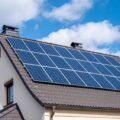
Solar panels convert sunlight into electricity for your home. They reduce dependence on the grid and cut energy costs. Installing solar panels is easier than before and requires little maintenance. They work best in sunny areas but still generate power on cloudy days.
Solar Water Heaters
Solar water heaters use the sun’s heat to warm your water. They use less electricity than traditional water heaters. This system can lower your monthly utility bills. Solar water heaters last many years and help reduce greenhouse gases.
Battery Storage Systems
Battery storage systems store extra energy from solar panels. This stored power can be used at night or during outages. Batteries help you use more of your own clean energy. They increase energy independence and improve backup power reliability.
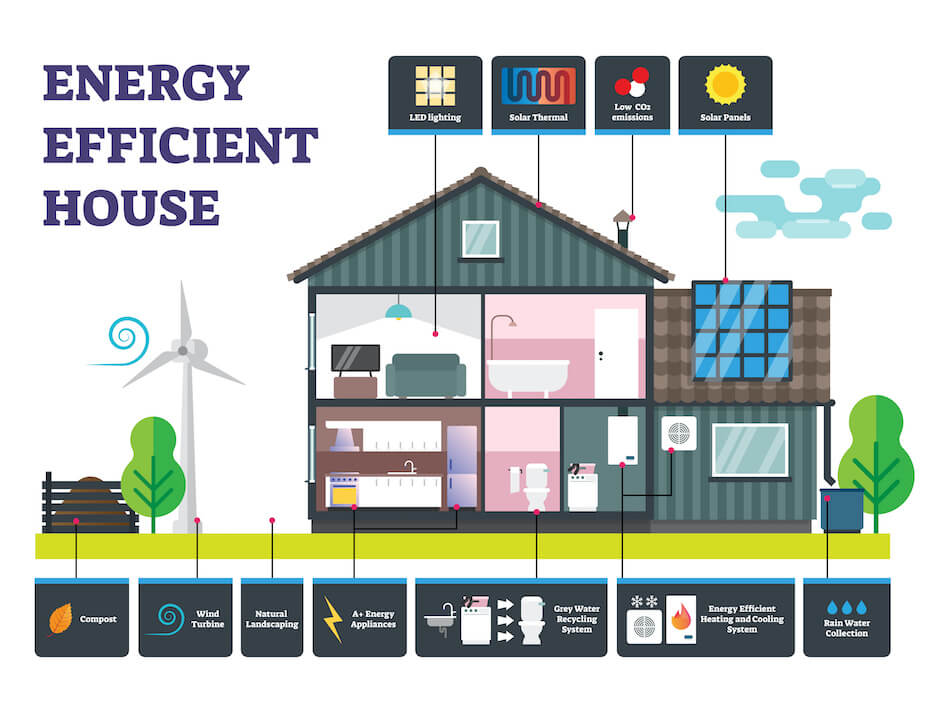
Credit: www.rexmont.com
Water Efficiency Upgrades
Water efficiency upgrades help reduce water use and save energy. Saving water means using less energy to heat and pump it. These upgrades lower utility bills and protect the environment. Simple changes in your home can make a big difference.
Low-flow Fixtures
Low-flow fixtures reduce water use without losing pressure. Faucets, showerheads, and toilets use less water but work well. They cut water waste and lower water bills. Installing these fixtures is easy and affordable. They help save water every day.
Tankless Water Heaters
Tankless water heaters heat water only when needed. They do not store hot water in a tank. This saves energy by avoiding heat loss. Tankless heaters provide endless hot water. They take less space and last longer than traditional heaters.
Rainwater Harvesting
Rainwater harvesting collects rain from roofs and stores it. This water is good for gardening and cleaning. Using rainwater reduces the need for tap water. It lowers water bills and helps conserve water. Setting up a rainwater system is a smart way to save.
Home Energy Audits
Home energy audits help find where your house wastes energy. They show ways to save money and reduce energy use. A good audit can guide you to smart, efficient upgrades. You learn what parts of your home lose heat or use too much power.
Diy Audit Tips
Start by checking windows and doors for air leaks. Use your hand to feel for cold or hot drafts. Look at insulation in the attic and walls. Turn off all lights and appliances. Check your electric meter to see if it still moves. This shows if energy is leaking somewhere.
Inspect heating and cooling systems for dust or damage. Replace air filters to improve efficiency. Use a flashlight to spot hidden problems. Simple steps can reveal many energy issues.
Professional Assessments
Experts use special tools to find hidden energy loss. They test air tightness with blower doors. Thermographic cameras show cold or hot spots inside walls. Professionals give a detailed report with upgrade suggestions. They can spot problems that DIY checks miss. A professional audit costs more but offers a full picture.
Using Audit Results
Focus on fixes that save the most energy first. Seal leaks around windows, doors, and ducts. Add insulation where the audit shows gaps. Upgrade to energy-efficient appliances if needed. Follow the report’s advice step by step. Track energy bills to see improvements. Regular checks keep your home efficient and comfortable.
Financial Incentives And Rebates
Financial incentives and rebates reduce the cost of energy-efficient home upgrades. These programs encourage homeowners to save energy and lower utility bills. Many options exist from governments, utility companies, and tax authorities. Knowing about them helps you save money and make smart home improvements.
Government Programs
Governments offer grants and rebates for energy-saving home projects. These programs support insulation, efficient windows, and heating systems. Some programs target specific regions or income groups. Checking local government websites reveals available offers and eligibility rules. Applying early increases chances of receiving support.
Utility Company Rebates
Utility companies provide rebates for reducing energy use. They may cover energy-efficient appliances, lighting, or HVAC systems. Rebates help lower upfront costs and improve savings. Contact your utility provider to learn about current rebate programs. Following their application process ensures you get the benefits.
Tax Credits
Tax credits reduce the amount of tax you owe after upgrades. Eligible improvements include solar panels, heat pumps, and insulation. These credits often cover a percentage of the project cost. Claiming tax credits requires proper documentation and receipts. Consult tax professionals or official guidelines for accurate filing.
Maintenance For Efficiency
Maintaining your home’s energy efficiency saves money and keeps your house comfortable. Small upkeep tasks help your systems run smoothly. These simple steps reduce energy waste and extend the life of your equipment.
Regular Hvac Servicing
Schedule HVAC checks twice a year. Experts clean and inspect the system for problems. Well-maintained HVAC units use less energy and cool or heat better. Ignoring service can lead to costly repairs and higher bills.
Cleaning And Replacing Filters
Dirty filters block airflow and force systems to work harder. Clean or replace filters every 1-3 months. This keeps air clean and improves efficiency. It also reduces strain on your HVAC system.
Monitoring Energy Usage
Track your energy use with smart meters or apps. Notice spikes or drops in consumption. This helps find waste and adjust habits. Small changes can lead to big savings over time.
Frequently Asked Questions
What Are The Best Energy-efficient Home Upgrades?
The best upgrades include LED lighting, smart thermostats, and energy-efficient windows. These reduce energy use and save money on bills. Insulation and solar panels are also effective in improving home energy efficiency.
How Much Can I Save With Energy-efficient Upgrades?
Savings vary, but homeowners typically save 10-30% on energy bills. The exact amount depends on the upgrade type and home size. Efficient upgrades lower utility costs and increase property value over time.
Are Energy-efficient Windows Worth The Investment?
Yes, energy-efficient windows reduce heat loss and gain. They improve comfort by maintaining indoor temperatures. Over time, they lower heating and cooling costs, making them a smart financial choice.
Can Smart Thermostats Improve Home Energy Efficiency?
Smart thermostats optimize heating and cooling schedules automatically. They reduce energy waste by adjusting temperature when you’re away. This leads to consistent savings and increased comfort.
Conclusion
Energy-efficient home upgrades save money and protect the environment. They make your home more comfortable year-round. Simple changes like better insulation or LED lights help reduce energy use. These upgrades also increase your home’s value over time. Small steps add up to big savings on bills.
Start with easy improvements and build from there. Your home becomes greener and wallet-friendly at the same time. A smarter home means a brighter future for you and the planet.