
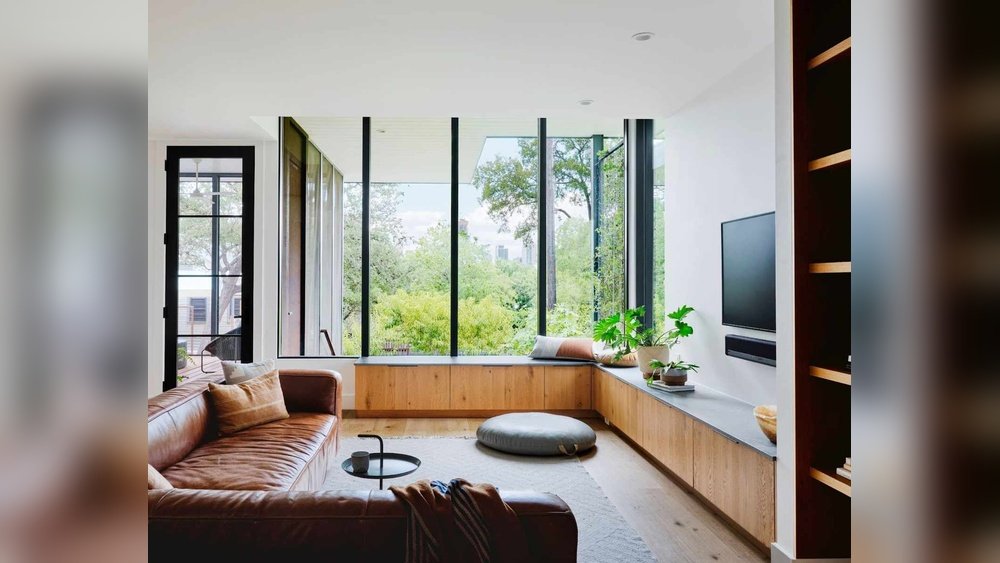
Imagine stepping into your home and instantly feeling calm, refreshed, and connected to nature—without leaving your doorstep. That’s the power of biophilic design for homes.
Also Read



By bringing natural elements inside, you can transform your living space into a sanctuary that boosts your mood, improves your health, and sparks creativity. If you want your home to feel more alive and welcoming, keep reading. You’ll discover simple, effective ways to invite nature in and change the way you experience your own space every day.
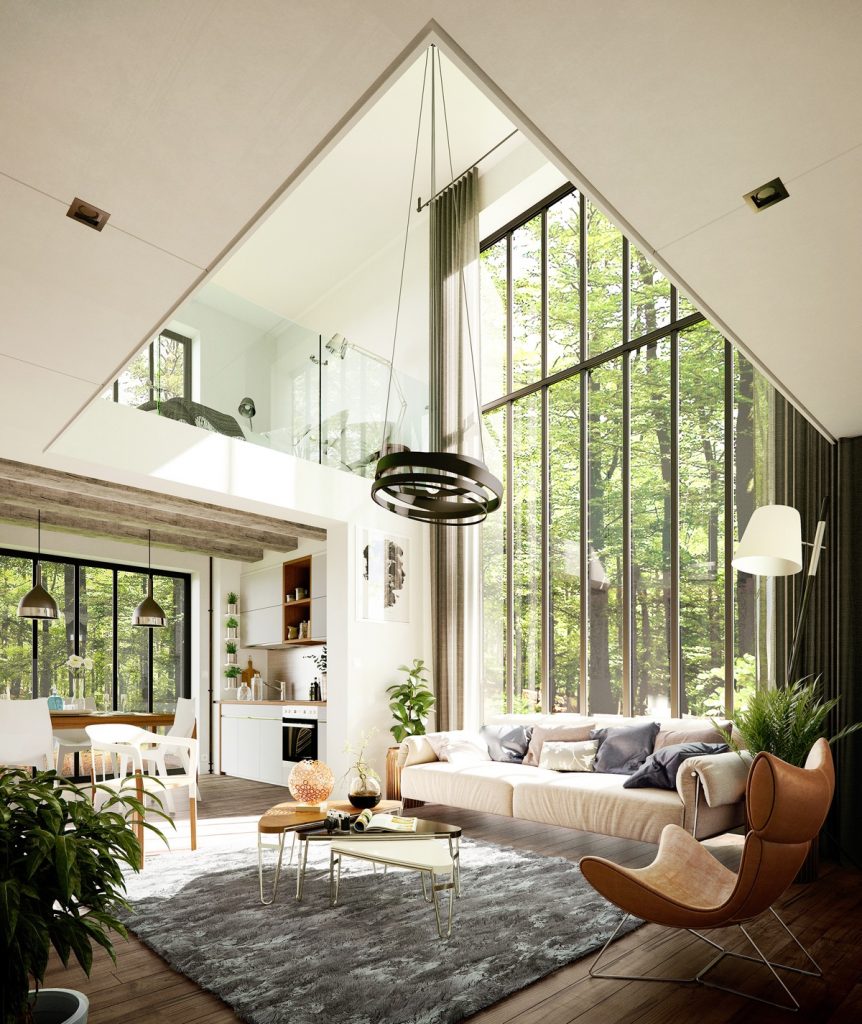
Credit: foyr.com
Benefits Of Biophilic Design
Biophilic design brings nature into homes. It creates spaces that feel calm and fresh. This design style improves health and mood. It helps people feel happier and more relaxed. The benefits go beyond just looks. They affect how people think and breathe too.
Boosting Mental Well-being
Natural elements reduce stress and anxiety. Plants and sunlight calm the mind. Views of nature improve mood and focus. Biophilic spaces help people feel peaceful. These homes create a strong connection to nature.
Improving Air Quality
Plants filter toxins from indoor air. Cleaner air means better breathing and health. Natural materials reduce harmful chemicals inside. This design promotes fresh and pure air. It supports a healthier living environment.
Enhancing Creativity And Productivity
Nature-inspired spaces boost brain function. They help people think clearly and solve problems. Biophilic design encourages new ideas and focus. It creates a calm and inspiring atmosphere. This leads to better work and creativity at home.
Natural Elements To Incorporate
Natural elements bring warmth and calm to any home. They connect us to nature and improve wellbeing. Using natural features in home design can create a peaceful and inviting space. Below are key natural elements to include for a biophilic home.
Indoor Plants And Green Walls
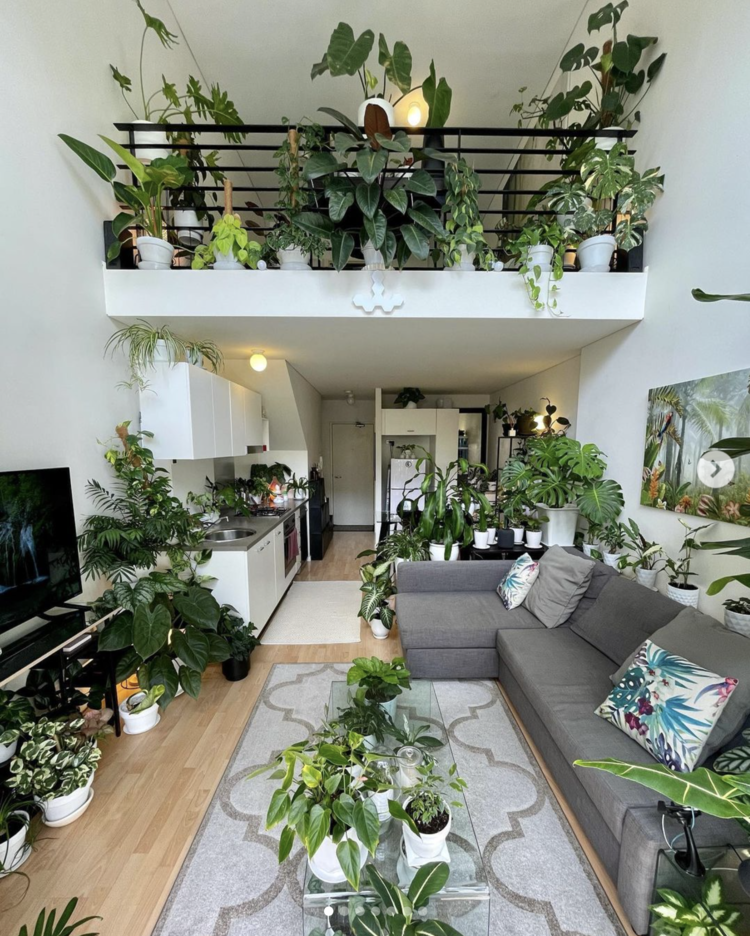
Indoor plants add life and color to rooms. They clean the air and reduce stress. Small pots on shelves or large plants in corners brighten spaces. Green walls are a great way to cover blank walls with living plants. These walls create a fresh atmosphere and improve indoor air quality.
Natural Lighting And Views
Natural light makes rooms feel open and cheerful. Large windows help bring sunlight inside. Position furniture near windows to enjoy views of trees or gardens. Natural views reduce mental fatigue and increase focus. Skylights also bring daylight into darker rooms.
Water Features And Natural Sounds
Water features create a soothing sound and cool the air. Small indoor fountains or aquariums add beauty and calm. The sound of flowing water helps reduce tension and improves mood. Natural sounds bring a sense of peace and connection to nature.
Materials And Textures
Materials and textures play a key role in biophilic design for homes. They create a natural feeling indoors. These elements connect people to nature. Texture adds depth and interest to rooms. The right materials help bring calm and comfort. They also improve air quality and reduce stress.
Wood And Stone Finishes
Wood and stone are classic natural materials. They bring warmth and earthiness to any space. Wood grain and knots add unique character. Stone surfaces create a solid, grounding effect. Both materials work well on floors and walls. They reflect nature’s raw beauty and strength. Using untreated or lightly finished wood keeps the look authentic. Rough stone textures enhance a home’s natural vibe.
Organic Fabrics And Patterns
Organic fabrics feel soft and inviting. Cotton, linen, and wool are popular choices. These materials breathe well and feel good on skin. Patterns inspired by leaves, flowers, or animals add visual interest. Natural colors like greens, browns, and blues fit biophilic themes. Fabrics with texture, like woven or knitted, add a tactile element. They make spaces cozy and connected to nature.
Sustainable And Recycled Materials
Sustainable materials protect the environment and your health. Bamboo, cork, and reclaimed wood are eco-friendly options. Recycled glass and metal reduce waste and add shine. These materials often have unique textures and colors. Using them supports green living and reduces your carbon footprint. Choosing sustainable materials aligns with the core of biophilic design.
Color Palettes Inspired By Nature
Color palettes inspired by nature bring calm and balance to home spaces. These colors create a peaceful feeling and connect us to the outdoors. Choosing natural hues helps homes feel warm and inviting. Nature’s colors are soft, fresh, and easy on the eyes. They blend well with natural materials and textures. Using these tones enhances the biophilic design in any room.
Earthy Tones And Greens
Earthy tones include browns, tans, and deep greens. These colors remind us of soil, trees, and plants. They add warmth and richness to a room. Greens evoke growth and renewal. They refresh the space and bring a sense of peace. Combining these tones creates a grounded, natural atmosphere.
Soft Blues And Sky Colors
Soft blues mimic the sky and water. These colors bring calm and clarity to rooms. Light blues open up small spaces and feel airy. They pair well with white or light wood. Sky colors help reduce stress and promote relaxation. Perfect for bedrooms and bathrooms.
Warm Neutrals And Natural Accents
Warm neutrals include beige, cream, and soft grays. These colors create a cozy and simple look. They act as a perfect background for natural accents like wood or stone. Natural accents add texture and depth. This palette feels timeless and easy to style with other colors.
Design Tips For Different Spaces
Biophilic design brings nature inside your home. It creates calm and comfort in every room. Different spaces need different touches to feel natural and fresh.
Plants, light, and natural materials work well in any space. Use these ideas to make your home feel alive and peaceful.
Living Room Ideas
Choose large windows to bring in natural light. Place green plants near seating areas. Use wood furniture or decor to add warmth. Soft, earthy colors help connect with nature. Add a water feature or small fountain for calm sounds.
Bedroom Retreats
Keep the bedroom simple and quiet. Use soft, natural fabrics for bedding. Add a few small plants to purify the air. Use natural light curtains to let sunlight in. Wooden floors or rugs add a cozy feel.
Kitchens And Dining Areas
Select natural stone or wood countertops. Add herb plants on windowsills for fresh scents. Use natural light bulbs to brighten the room. Choose wooden dining tables with simple designs. Keep the space open and clean to feel fresh.
Smart Technology And Biophilia
Smart technology blends well with biophilic design in homes. It helps bring nature inside through modern tools. These tools make homes feel fresher, brighter, and calmer. They support natural living while using technology to enhance comfort and health.
Automated Natural Lighting
Smart lighting systems adjust lights based on sunlight. They open blinds or curtains to let in daylight. This reduces the need for artificial lighting. It helps keep the body’s natural rhythm in balance. Homes feel warmer and more alive with natural light.
Air Purification Systems
Advanced air purifiers clean indoor air continuously. They remove dust, pollen, and harmful particles. Some use plants combined with technology for better air quality. Clean air makes breathing easier and improves health. It creates a fresh, natural atmosphere inside the home.
Soundscapes For Relaxation
Smart sound systems play nature sounds like rain or birds. These sounds help reduce stress and improve focus. They create a calm and peaceful environment at home. Nature sounds make spaces feel more connected to the outdoors. Relaxation becomes simple with these soothing soundscapes.
Challenges And Solutions
Biophilic design brings nature inside homes. It creates calm and comfort. Yet, some challenges can arise when adding natural elements to living spaces. These challenges need clear solutions to make biophilic design work well in homes.
Space Limitations
Small homes may not have room for large plants or water features. Use vertical gardens or wall-mounted plants. Choose small pots for windowsills and shelves. Natural light sources can brighten tight spaces. Mirrors reflect light and create a sense of openness.
Maintenance Of Natural Elements
Plants need water and care to stay healthy. Select low-maintenance plants like succulents or snake plants. Artificial plants with natural looks work for low upkeep. Natural wood furniture requires occasional polishing. Regular cleaning keeps natural elements fresh and inviting.
Budget-friendly Options
Natural materials and plants might seem costly. Use reclaimed wood for furniture or decor. Propagate plants from cuttings to grow your own. DIY projects can add natural touches without high costs. Simple items like stones, shells, and leaves add natural charm.
Credit: foyr.com

Credit: www.housebeautiful.com
Frequently Asked Questions
What Is Biophilic Design In Homes?
Biophilic design connects homes with nature using natural light, plants, and materials. It improves wellbeing and reduces stress by creating a calming, healthy environment.
How Does Biophilic Design Benefit Homeowners?
It boosts mental health, enhances creativity, and improves air quality. Biophilic homes also increase comfort and promote relaxation through natural elements and views.
Which Natural Elements Are Used In Biophilic Homes?
Common elements include indoor plants, natural wood, stone, water features, and ample sunlight. These elements foster a strong connection to nature inside your home.
Can Biophilic Design Reduce Energy Costs?
Yes, using natural light and ventilation lowers electricity use. Proper design maximizes daylight and airflow, reducing the need for artificial lighting and cooling.
Conclusion
Biophilic design brings nature inside your home. It creates calm and fresh spaces. Natural light, plants, and wood make rooms feel warm. This design helps reduce stress and boosts mood. Small changes can make a big difference. Everyone can enjoy a healthier, happier home.
Try adding natural elements today. Feel the comfort of nature every day. Your home becomes a peaceful place to live.
Downloading 567rgamedownload was quick and easy. The install was straightforward, and I was playing games in no time. Check it out for yourself: 567rgamedownload